


Known for its decisive Union win and the humiliating defeat of the Confederate forces, the Battle of Philippi, also dubbed the Philippi Races, marked a crucial turning point in the early stages of the American Civil War. This surprise dawn attack on June 3, 1861, in Barbour County, Virginia (now West Virginia), showcased the Union's strategic prowess and left the Confederacy reeling.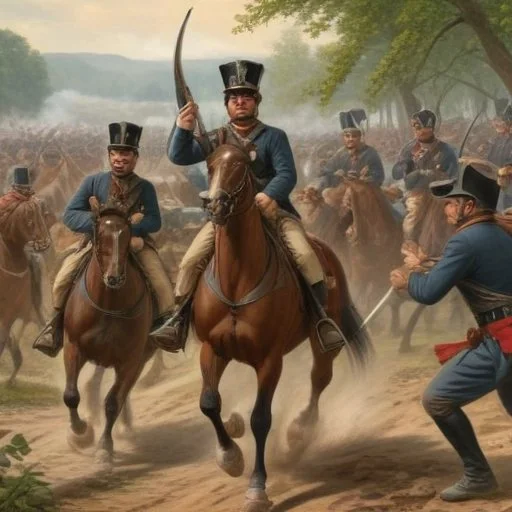
In the spring of 1861, the American Civil War was still in its infancy. The Confederacy had seceded from the Union, and both sides were scrambling to assemble armies and secure strategic territories. Barbour County, situated in the western part of Virginia, was a crucial region, with the Tygart Valley River providing a vital transportation route. The Confederate forces, led by Colonel George A. Porterfield, had established a stronghold in the area, hoping to disrupt Union supply lines and gain a foothold in the region.
Colonel Benjamin Franklin Kelley, a seasoned military officer, led the Union forces in the Battle of Philippi. Kelley's experience and tactical acumen proved invaluable in planning and executing the surprise attack. Meanwhile, Colonel George A. Porterfield, the Confederate commander, struggled to maintain order and cohesion among his largely untrained and poorly equipped troops.
On the morning of June 3, Kelley's Union forces, comprising approximately 1,500 troops, launched a surprise attack on the Confederate camp. The Confederates, numbering around 800, were caught off guard, and their camp was quickly overrun. As the Union troops advanced, the Confederates panicked and fled in disarray, leaving behind their artillery and supplies. The battle was short-lived, lasting only a few hours, but its impact was significant.
The Battle of Philippi was the first major Union victory in the American Civil War, boosting morale and demonstrating the North's military prowess. The rout of the Confederate forces led to the capture of crucial supplies, including artillery and ammunition, which significantly weakened the Confederacy's position in the region. Moreover, the battle marked a shift in the war's momentum, as the Union began to gain ground in the Western Theater.
The Battle of Philippi had far-reaching cultural and social implications. The Union's decisive victory galvanized public opinion in the North, strengthening support for the war effort. In contrast, the Confederate defeat led to a surge in recruitment and mobilization in the South. The battle also underscored the importance of strategic planning and tactical execution, highlighting the need for effective leadership in times of war.
One Union soldier, Private William Francis, recalled the chaos and confusion of the Confederate camp, stating, "The Rebels were running around like headless chickens, not knowing which way to turn." Another soldier, Captain James Wilson, praised Kelley's leadership, saying, "Colonel Kelley's plan was nothing short of genius. We caught them completely off guard, and they didn't stand a chance."
The Battle of Philippi remains an important milestone in American history, showcasing the importance of strategic planning, effective leadership, and military prowess. As the first major Union victory in the American Civil War, it marked a turning point in the conflict's early stages, setting the stage for the bloody battles that would follow.
The Battle of Philippi was a prime example of the importance of terrain in military strategy. The Union's decision to launch a surprise attack from the surrounding hills allowed them to exploit the Confederate forces' vulnerable position in the valley. This clever use of topography showcased the Union's ability to adapt to the environment and outmaneuver their opponents. In contrast, the Confederacy's failure to adequately secure their position in the valley ultimately led to their defeat.
This disparity in terrain awareness highlights a broader trend in the Civil War. The Union's emphasis on professionalizing their military and investing in strategic planning often gave them an upper hand in battles. Meanwhile, the Confederacy's reliance on amateurish enthusiasm and inadequate training frequently left them at a disadvantage. The Battle of Philippi serves as a microcosm of this larger dynamic, demonstrating the importance of strategic thinking in warfare.

Colonel George A. Porterfield, the Confederate commander at the Battle of Philippi, was a veteran of the Mexican-American War. Despite his experience, he struggled to assert control over his ragtag force of militiamen and volunteers. Porterfield's lack of discipline and organizational skills ultimately contributed to the Confederacy's defeat, as his troops were quickly overwhelmed by the Union's surprise attack.
In contrast, Colonel Benjamin Franklin Kelley's leadership played a crucial role in the Union's victory. Kelley's military background and tactical acumen allowed him to coordinate an effective surprise attack, catching the Confederates off guard and securing a decisive win. Kelley's success at Philippi solidified his reputation as a capable commander, and he went on to play a significant role in the Union's campaigns in the Western Theater.
The Battle of Philippi took place in the context of a broader struggle for control of the Western Theater. The Union's campaign to secure the region's vital transportation routes and resources put pressure on the Confederacy to respond in kind. The Confederacy's hopes of securing a foothold in western Virginia ultimately depended on their ability to hold off the Union's advances.
The battle's outcome had significant implications for the war's trajectory in the region. The Union's victory at Philippi set the stage for their subsequent campaigns in western Virginia, which would ultimately lead to the state's secession from the Confederacy. As the war turned in favor of the Union, the Confederacy's grip on the region began to slip, ultimately paving the way for West Virginia's admission to the Union.
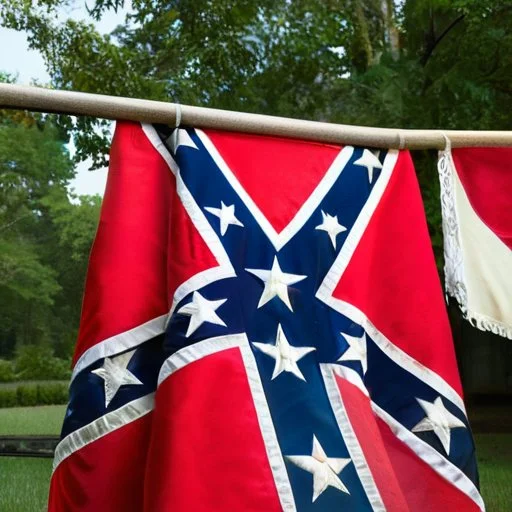
Historians have long debated the significance of the Battle of Philippi in the larger context of the American Civil War. Some have seen it as a minor skirmish, a mere precursor to the bloodier battles that would soon follow. Others have argued that the battle marked a turning point in the war's early stages, demonstrating the Union's military prowess and bolstering Northern morale.
More recent scholarship has highlighted the importance of the Battle of Philippi in the Western Theater. The Union's victory in the region helped to secure crucial resources and transportation routes, ultimately contributing to their ultimate victory. As such, the battle serves as a reminder of the complex interplay between military strategy, tactical execution, and broader cultural and political dynamics that shaped the course of the Civil War.
The Battle of Philippi had a profound impact on the cultural and social dynamics of the region. The Union's victory galvanized public opinion in the North, bolstering support for the war effort and solidifying the sense of nationalism that would come to define the era. In contrast, the Confederacy's defeat led to a surge in recruitment and mobilization in the South, as Southerners rallied to the defense of their homeland.
The battle also underscored the importance of strategic planning and tactical execution in times of war. The Union's clever use of terrain and surprise tactics served as a model for future military campaigns, highlighting the importance of adaptability and creativity in the face of uncertainty.