


The First Battle of Bull Run, fought on July 21, 1861, will forever be etched in the annals of American history as the inaugural clash of the American Civil War. This pivotal battle, waged at Manassas Junction in Virginia, marked a resounding victory for the Confederate army, shattering the illusion of a quick Union triumph and setting the tone for the brutal conflict that would rage on for four more years.
General Irvin McDowell, leading the Union army, had marched his troops from Washington D.C. to Manassas Junction with the intention of capturing the strategic railroad junction and crushing the Rebel forces. Meanwhile, General P.G.T. Beauregard, commander of the Confederate army, had been awaiting the Union's advance, his troops bolstered by reinforcements from nearby Fairfax Court House.
The battle unfolded on a sweltering summer day, as the Union army, comprising 28,400 soldiers, advanced on the Confederate forces, numbering around 20,000 men. The Confederate defenses, anchored by Stone Bridge, Henry House Hill, and the Warrenton Turnpike, were designed to funnel the Union troops into kill zones, where their artillery and infantry could inflict maximum damage.
The fight began around 5:30 am, as Union artillery opened fire on the Confederate lines. The Confederates, however, held their ground, and as the day wore on, they unleashed a series of decisive counterattacks. At approximately 4:00 pm, the Union army's right flank, exposed and vulnerable, was shattered by a devastating Rebel charge. Panic set in, and the Union troops, realizing their lines were broken, began a precipitous retreat.
The Confederates, despite being outnumbered, had engineered a stunning upset, securing a resounding victory that sent shockwaves throughout the nation. As the Union troops fled in disarray, the Rebels claimed the battlefield, capturing vital supplies, artillery, and over 1,200 prisoners. The casualties were staggering, with the Union suffering over 2,900 killed, wounded, or missing, while the Confederacy mourned around 2,000 casualties.
The First Battle of Bull Run shattered the illusion of a quick Union victory, revealing the war would be a protracted, brutal struggle. The Confederacy, buoyed by their triumph, gained a critical psychological advantage, while the Union was forced to regroup and reassess its strategy. The battle also sparked a surge in recruitment on both sides, as the gravity of the conflict became starkly apparent.
"The fate of the Confederacy hangs in the balance, and it is for us to determine whether it shall be secured or lost." - General P.G.T. Beauregard, in a pre-battle address to his troops
"It is not my intention to retreat; we will win or die on this field!" - General Irvin McDowell, to his troops during the battle
The First Battle of Bull Run etched its place in American history, serving as a harbinger of the brutal conflict to come. This watershed battle galvanized public opinion, hardened the resolve of both sides, and set the stage for the devastating struggles that would follow.
As the echoes of the battle fade, the bravery, sacrifice, and determination of the soldiers who clashed at Manassas Junction will forever resonate through the ages, reminding us of the enduring power of courage in the face of adversity.
The First Battle of Bull Run was a clash of contrasting military strategies and philosophies. The Union army, reflecting the industrialized North's emphasis on technology and organization, approached the battle with a rigid, European-style formation. In contrast, the Confederate army, born from the agrarian South's individualistic traditions, employed a more flexible, adaptive approach. This dichotomy played out on the battlefield, as the Rebel forces' ability to improvise and respond to changing circumstances ultimately proved decisive.
The Union's emphasis on discipline and cohesion was reflected in its strict adherence to traditional military protocols, whereas the Confederacy's more relaxed chain of command allowed for greater autonomy and initiative among its officers. This difference in approach had a profound impact on the battle's outcome, as the Rebel forces' ability to adapt and respond to the Union's attacks ultimately led to their victory.

Historians have long grappled with the challenges of reconstructing the First Battle of Bull Run, due in part to the inconsistent and often contradictory nature of eyewitness accounts. The fog of war, combined with the biases and emotions of the participants, has led to competing narratives and interpretations of the battle's events.
Recent scholarship has emphasized the need for a more nuanced approach to evaluating primary sources, taking into account the complexities of human perception and the contextual factors that shaped the accounts of soldiers and civilians alike. By recognizing the limitations and potential biases of these sources, historians can develop a more comprehensive and accurate understanding of the battle.
Thomas "Stonewall" Jackson, a Confederate general whose timely arrival on the battlefield proved instrumental in securing the Rebel victory, embodied the spirit of unwavering determination and unshakeable resolve that defined the Confederate army.
A West Point graduate and former instructor, Jackson brought a rigor and discipline to his command that inspired confidence in his troops. His unorthodox tactics, which emphasized speed and surprise, often caught his Union counterparts off guard, allowing the Rebel forces to seize the initiative.
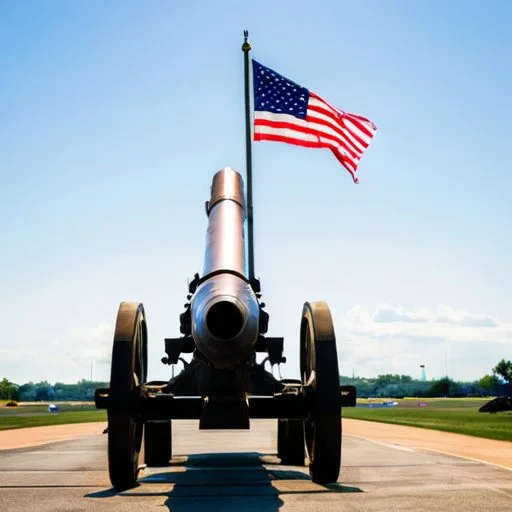
The First Battle of Bull Run, fought on the outskirts of Washington D.C., was not an isolated event, but rather a symptom of a broader global trend: the fragmentation of nation-states and the emergence of new political entities. The American Civil War, of which Bull Run was a part, was itself a manifestation of this process, as the United States struggled to reconcile its competing regional identities and interests.
The conflict resonated far beyond American borders, as European powers watched with keen interest the unfolding drama, sensing opportunities to expand their own influence and challenge the emergent American nation. The global implications of the Civil War would ultimately reshape the course of international relations, as the United States emerged as a dominant world power.
The First Battle of Bull Run, fought on the rolling hills and woodlands of northern Virginia, had a profound impact on the local environment. The conflict's devastating toll on the natural landscape, including the destruction of forests, the displacement of wildlife, and the pollution of water sources, would have lasting consequences for the region's ecosystems.
The massive troop movements, the chaos of battle, and the subsequent occupation of the area by Union forces all contributed to the degradation of the environment. The battle's ecological footprint serves as a testament to the often-overlooked environmental costs of war, which can linger long after the guns fall silent.