


The Battle of Fort Henry, fought on February 6, 1862, marked a crucial turning point in the American Civil War, as Union forces under the command of Ulysses S. Grant and Andrew H. Foote secured their first major victory, capturing the Confederate stronghold on the Tennessee River. This decisive win not only boosted Union morale but also paved the way for future successes in the Western Theater.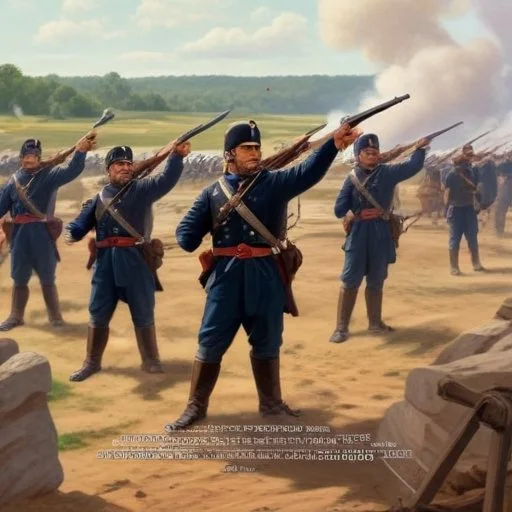
January 1862: Grant and Foote's forces begin assembling near the Tennessee River, preparing for a joint land and naval assault on Fort Henry.
February 4, 1862: Foote's naval fleet, consisting of seven gunboats, sets sail up the Tennessee River, intending to capture Fort Henry.
February 6, 1862: Grant's infantry marches overland, surrounding the fort on three sides, while Foote's gunboats begin bombarding the Confederate defenses. After a mere two-hour battle, the Rebel forces flee, leaving the fort to the Union.
The Battle of Fort Henry highlighted the significance of naval power in the American Civil War, underscoring the importance of controlling the region's waterways. The Union's success also underscored the growing importance of joint military operations, combining land and naval forces to achieve strategic objectives.
"I intend to occupy Fort Henry, and if possible, Fort Donelson, and thereby cut the communication between the two armies of the enemy." - Ulysses S. Grant, in a letter to General Henry W. Halleck
"The gunboats are the ones that took the fort, and I'm proud to have commanded them." - Andrew H. Foote, reflecting on the battle's outcome
According to eyewitness accounts, Grant and Foote's forces encountered little resistance during the battle, with many Confederate soldiers deserting or fleeing in the face of overwhelming Union firepower. Despite this, the Union commanders praised their men for their bravery and discipline during the fight.
The Battle of Fort Henry paved the way for Grant's future successes, including the capture of Vicksburg and his eventual promotion to General-in-Chief of all Union forces. Foote's naval expertise continued to play a crucial role in Union victories, including the Battle of Island Number Ten and the Siege of Fort Pillow.
The battle's legacy extends beyond the American Civil War, influencing the development of modern naval warfare and joint military operations. Today, it remains a testament to the bravery, strategic thinking, and teamwork that defined the Union's ultimate victory.
Lloyd Tilghman, a career military officer, was born in 1816 in Maryland. He graduated from the United States Military Academy in 1836 and served in the Mexican-American War. At the outbreak of the American Civil War, Tilghman joined the Confederate Army and was appointed commander of Fort Henry in 1861.
Despite being outnumbered and outgunned, Tilghman fought valiantly during the Battle of Fort Henry. However, realizing the futility of further resistance, he ultimately surrendered the fort to the Union forces. Tilghman was captured and later exchanged, continuing to serve in the Confederate Army until his death in 1863.

The Battle of Fort Henry holds significant cultural importance in the context of the American Civil War. The battle marked a turning point in the war, as it demonstrated the effectiveness of joint land and naval operations, which became a hallmark of Union strategy.
The victory at Fort Henry also boosted Union morale, providing a much-needed confidence boost after a series of early defeats. The battle's cultural impact is further underscored by its influence on naval warfare, as it highlighted the importance of controlling the region's waterways.
The Battle of Fort Henry had significant political implications for both the Union and the Confederacy. The Union victory paved the way for further advances into Confederate territory, ultimately contributing to the capture of Fort Donelson and the Battle of Shiloh.
The battle also underscored the importance of joint military operations, demonstrating the effectiveness of coordinating land and naval forces to achieve strategic objectives. This strategic approach would become a hallmark of Union warfare, ultimately contributing to their ultimate victory.
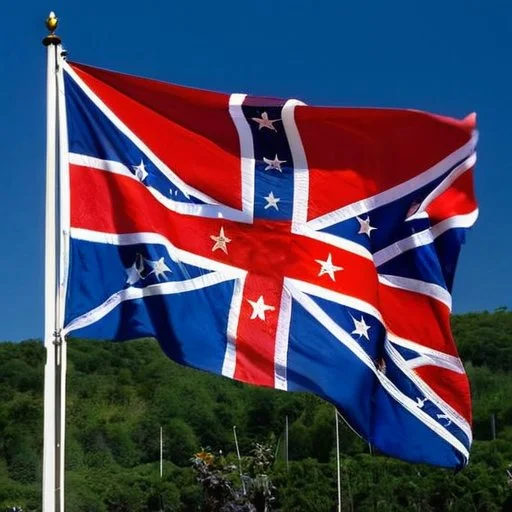
Before the Battle of Fort Henry, Ulysses S. Grant was a relatively unknown quantity in the Union Army. However, his early campaigns in Missouri and Kentucky demonstrated his strategic thinking and tactical prowess.
Grant's decision to target Fort Henry was a calculated risk, as it would give the Union control of the Tennessee River Valley and split the Confederacy in two. The battle's success marked a turning point in Grant's career, cementing his reputation as a capable and innovative commander.
The Battle of Fort Henry showcased several technological innovations that would come to define modern naval warfare. The use of ironclad gunboats, such as the USS Carondelet, provided the Union with a significant advantage over the Confederate defenders.
The battle also demonstrated the importance of artillery in naval warfare, as the Union's heavy guns proved decisive in breaching the Confederate defenses. These technological innovations would have a lasting impact on the development of naval warfare, influencing the design and deployment of warships for generations to come.