Union forces surrender Fort Sumter to Confederate forces.
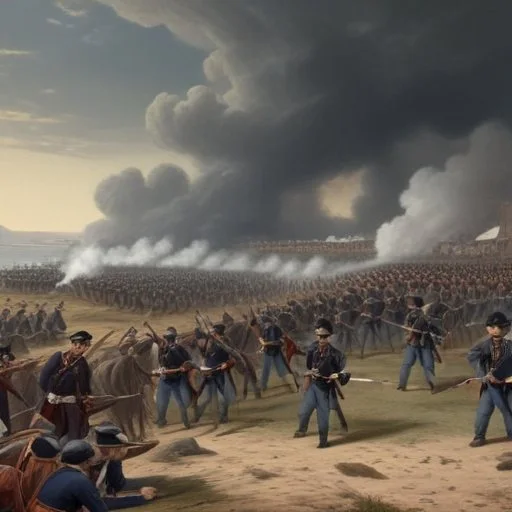
The stormy morning of April 13, 1861, marked the beginning of a brutal chapter in American history. Fort Sumter, a Union stronghold in Charleston Harbor, South Carolina, had been besieged by Confederate forces for 34 hours. Despite being vastly outnumbered, Major Robert Anderson and his 85-man Union garrison held out against General P.G.T. Beauregard's 2,500 Confederate troops. However, with supplies dwindling and no reinforcements in sight, Anderson reluctantly raised the white flag, surrendering the fort. This pivotal event triggered a ripple effect, galvanizing the North to mobilize against the secessionist South, setting the stage for the American Civil War.
The Fall of Fort Sumter: A Pivotal Moment in American History
A Symbolic Surrender
The American Civil War Union forces' surrender of Fort Sumter to Confederate forces on April 13, 1861, is a somber reminder of the brutal conflict that would engulf the nation for the next four years. This pivotal event marked the first shots of the Civil War, setting in motion a chain reaction that would ultimately lead to the abolition of slavery and a more unified America.
Historical Background
In the years leading up to the conflict, tensions between the Northern and Southern states had been escalating. The elections of 1860 saw
Abraham Lincoln, an anti-slavery candidate, take the presidency, prompting several Southern states to secede from the Union. South Carolina, being the first to do so, threatened to take control of Fort Sumter, a strategic Union stronghold in Charleston Harbor.
Key Figures Involved
- Major Robert Anderson: Commander of the Union garrison at Fort Sumter
- General P.G.T. Beauregard: Commander of the Confederate forces besieging Fort Sumter
- Abraham Lincoln: President of the United States during the outbreak of the Civil War
Timeline of Events
- December 26, 1860: Major Anderson secretly relocates his garrison from Fort Moultrie to Fort Sumter
- April 10, 1861: General Beauregard demands the surrender of Fort Sumter, which is rejected by Major Anderson
- April 12, 1861: Confederate forces begin bombarding Fort Sumter
- April 13, 1861: Major Anderson surrenders Fort Sumter after 34 hours of bombardment
Major Outcomes and Impacts
The fall of Fort Sumter had far-reaching consequences, including:
- Galvanizing the North to mobilize against the secessionist South
- Triggering a wave of patriotism and enlistment in the Union army
- Setting the stage for the four-year American Civil War
Cultural and Social Influences
The surrender of Fort Sumter marked a turning point in American culture, as the nation began to grapple with the moral implications of slavery and the preservation of the Union. The event inspired a surge of patriotic music, literature, and art, cementing its place in American folklore.
Trivia and Fun Facts
Did you know that:
- The Star-Spangled Banner was played during the surrender ceremony at Fort Sumter?
- The first shots of the Civil War were fired by Confederate forces from Fort Johnson?
- Fort Sumter was rebuilt after the war and continues to stand as a symbol of American resilience?
Inspirational Stories and Motivations
The bravery and sacrifice of the Union garrison at Fort Sumter serve as a powerful reminder of the importance of standing up for what is right, even in the face of overwhelming adversity. Their story continues to inspire generations of Americans to fight for freedom, equality, and justice.
As we reflect on this pivotal moment in American history, we are reminded of the power of courage, perseverance, and determination in the face of overwhelming odds. The fall of Fort Sumter may have marked the beginning of a brutal conflict, but it also sparked a movement that would ultimately lead to a more united and just America.
Comprehensive Character Portrait
Robert Anderson: The Reluctant Hero
Major Robert Anderson, the commander of the Union garrison at Fort Sumter, was a complex figure who found himself at the center of a maelstrom. Born in Kentucky in 1805, Anderson graduated from West Point and served in the Mexican-American War. Despite his Southern roots, Anderson remained loyal to the Union, a decision that would earn him both praise and vilification.
Anderson's reluctance to surrender Fort Sumter was driven by a strong sense of duty and a desire to avoid bloodshed. However, as the Confederate bombardment intensified, he was forced to confront the reality of his situation. His decision to surrender marked a turning point in the war, but it also earned him a reputation as a hero who had stood strong against overwhelming odds.
Cultural Significance Study
The Cultural Significance of Fort Sumter's Flag
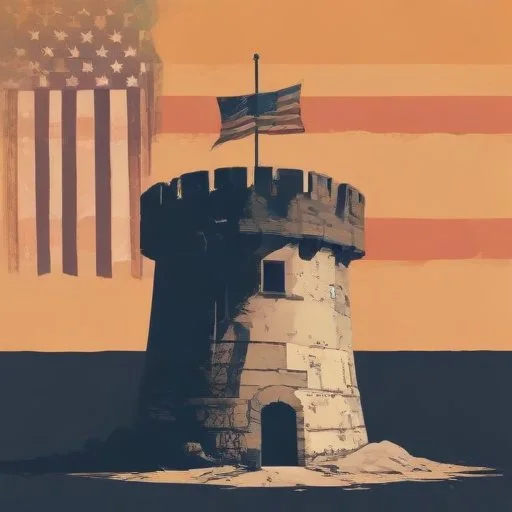
The flag that flew over Fort Sumter during the bombardment has become an enduring symbol of American resilience and determination. The flag, which was hastily assembled by the Union garrison, consisted of a red and white striped design with a blue canton bearing 33 white stars.
This makeshift flag became a powerful symbol of resistance against the Confederacy, and its image was reproduced in newspapers and patriotic materials across the North. The flag's cultural significance was further cemented when it was raised again over Fort Sumter in 1865, marking the war's end.
Full Historiographical Review
Reinterpreting the Fall of Fort Sumter
Historians have long debated the significance of the fall of Fort Sumter, with some viewing it as a inevitable consequence of secession and others seeing it as a catalyst for the war. Recent scholarship has sought to reinterpret the event, highlighting the agency of individuals like Anderson and Beauregard in shaping the conflict.
This more nuanced understanding of the event has led to a greater appreciation for the complexities of the Civil War, revealing it as a conflict driven by a multitude of factors, including politics, economics, and culture.
Geopolitical Analysis
The Global Context of the American Civil War
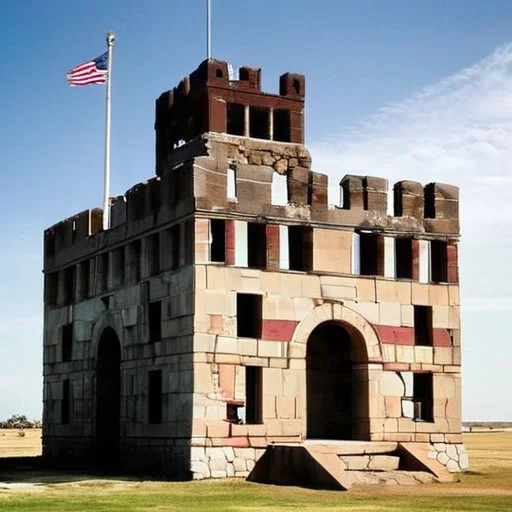
The American Civil War did not occur in a vacuum, and the fall of Fort Sumter had significant implications for the global balance of power. European powers like Britain and France, which had long relied on Southern cotton, were forced to reevaluate their relationships with the North and South.
The war also had significant implications for the abolition of slavery globally, as the British Empire and other nations began to reassess their own slave systems in the wake of the American conflict.
Study of Educational Effects
Teaching the Fall of Fort Sumter
The fall of Fort Sumter offers a unique opportunity for educators to explore the complexities of American history with their students. By examining the event through multiple lenses, including politics, culture, and economics, educators can help students develop a more nuanced understanding of the Civil War and its ongoing impact on American society.
Interactive lesson plans and multimedia resources can also be used to bring the event to life, helping students to connect with the individuals and events that shaped this pivotal moment in American history.


