


On a pivotal day in American history, the United States Congress took a monumental step towards unity and equality by passing the 13th Amendment to the United States Constitution, abolishing the institution of slavery. This groundbreaking legislation, submitted to the states for ratification, marked a crucial milestone in the nation's journey towards freedom and justice for all.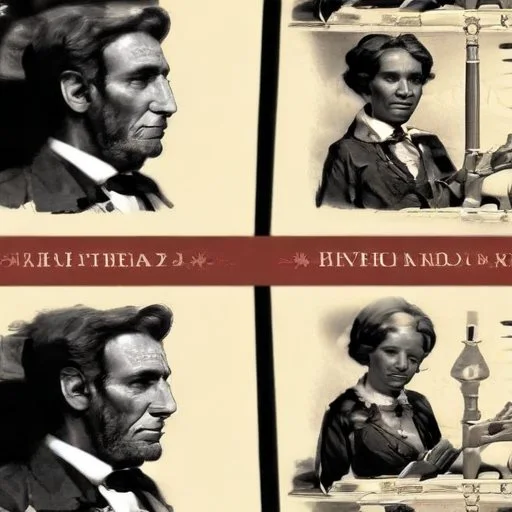
The United States was torn apart by the conflict of the American Civil War, fought between the Northern and Southern states from 1861 to 1865. Amidst the chaos, President Abraham Lincoln's resolute vision for a united America guided the nation towards a brighter future. His leadership and unwavering commitment to ending slavery paved the way for this historic amendment.
The 13th Amendment was the culmination of years of struggle and activism. The Emancipation Proclamation, issued by President Lincoln in 1863, had declared freedom for all slaves in Confederate territory. However, it did not abolish slavery altogether, leaving room for the institution to persist in border states and areas under Union control. The amendment aimed to rectify this, ensuring that slavery would be eradicated throughout the United States.
The 13th Amendment's passage had far-reaching consequences, including:
The 13th Amendment's impact extended beyond the political realm, influencing American culture and society in profound ways:
In the words of President Lincoln, "Government of the people, by the people, for the people, shall not perish from the earth." The 13th Amendment's triumphant passage marked a critical step towards realizing this vision, cementing its place as a beacon of hope and freedom in American history.
The 13th Amendment's passage was a testament to the power of perseverance, courage, and collective action. As we reflect on this pivotal moment in American history, we are reminded that the pursuit of freedom and equality remains an ongoing endeavor, inspiring future generations to strive for a more perfect union.
Abe Lincoln's commitment to ending slavery was unwavering, and his leadership played a crucial role in the passage of the 13th Amendment. As the 16th President of the United States, Lincoln's strong moral compass and eloquence inspired a nation to strive for unity and equality.
Lincoln's Emancipation Proclamation in 1863 was a critical step towards ending slavery, but he knew it was only a partial solution. He continued to push for a Constitutional amendment to abolish slavery entirely, working tirelessly with Congress to build support for the 13th Amendment.
Lincoln's leadership was not limited to his policy initiatives. His ability to inspire and unite the American people during a time of great divisions was a testament to his remarkable character. Through his leadership, Lincoln demonstrated that even in the darkest of times, humanity and compassion can prevail.

The abolition of slavery was not just a legislative victory, but also a significant shift in social dynamics. The 13th Amendment marked a turning point in the relationship between whites and African Americans in the United States.
The amendment's passage led to a newfound sense of freedom and empowerment among African Americans, who had been fighting for their rights for centuries. Many former slaves took advantage of their newfound freedom, moving to cities and towns, and establishing their own communities and businesses.
However, the amendment also sparked a backlash from many white Americans, who felt threatened by the sudden shift in power dynamics. Racial tensions continued to simmer, and it would take many more years of struggle and activism to achieve true social equality.
The 13th Amendment's impact on American culture was profound, influencing art, literature, and music for generations to come.
The amendment's passage inspired a new wave of African American writers, artists, and musicians, who used their talents to express the joys and challenges of freedom. From Frederick Douglass's powerful oratory to the soulful songs of African American spirituals, the amendment's influence can be seen in many aspects of American culture.
Today, the 13th Amendment's legacy continues to shape American identity, informing contemporary discussions on race, equality, and freedom. Its impact can be seen in everything from the Civil Rights Movement of the 1960s to the Black Lives Matter movement of the present day.

The 13th Amendment has been subject to various historical interpretations, with different scholars and historians offering their own perspectives on its significance.
Some historians view the amendment as a culmination of the gradual abolitionist movement, which had been building momentum since the early 19th century. Others see it as a response to the chaos and devastation of the Civil War, with the amendment serving as a necessary step towards Reconstruction.
Despite these differing interpretations, most historians agree that the 13th Amendment marked a critical turning point in American history, paving the way for future civil rights legislation and social change.
The passage of the 13th Amendment was the result of a complex web of political maneuvering, with various factions and interest groups vying for influence.
Radical Republicans like Senator Charles Sumner and Representative Thaddeus Stevens played a crucial role in drafting and advocating for the amendment. Meanwhile, President Lincoln worked behind the scenes to build support among moderate Republicans and Democrats.
The amendment's passage was also influenced by the shifting political landscape of the Civil War era. With the war drawing to a close, many politicians saw the amendment as a necessary step towards Reconstruction and reunion.