First Continental Congress Adopts Trade Embargo Against Britain
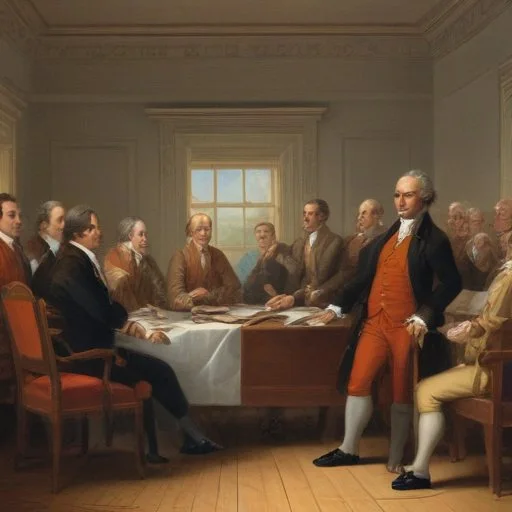
In a bold move to defy British tyranny, fifty-six fiery patriots gathered in Philadelphia, united against the mother country's stranglehold on American commerce. On this day, the First Continental Congress took a monumental step towards independence, adopting the Continental Association - a sweeping agreement to boycott all British goods and trade. This daring declaration of economic disobedience targeted the British Isles and West Indies, striking at the heart of Britain's grip on American trade. This courageous stance would galvanize the colonies, paving the way for the Revolution to come.
The Continental Association: A Daring Declaration of Economic Disobedience
Defying British Tyranny, One Boycott at a Time
On October 20, 1774, the First Continental Congress took a bold step towards independence, adopting the Continental Association, a sweeping agreement to boycott all British goods and trade. This courageous stance marked a significant turning point in American history, solidifying the colonies' determination to break free from Britain's commercial stranglehold.
A Culinary Revolution: Food as a Form of Protest
In the months leading up to the Continental Association, Americans demonstrated their disdain for British rule through a unique form of protest: food. Patriotic cooks and homemakers across the colonies refused to serve British goods, opting instead for locally sourced ingredients and homemade alternatives. This culinary rebellion not only showcased American ingenuity but also underscored the colonies' growing desire for autonomy.
The Key Players: Uniting Against a Common Enemy
The Continental Association was the brainchild of a group of visionary leaders, including
George Washington,
Samuel Adams, and
Patrick Henry. These patriots, along with 53 other delegates, convened in Philadelphia to discuss the colonies' grievances against Britain. Their collective resolve and determination paved the way for a unified resistance against British tyranny.
A Timeline of Defiance
- September 5, 1774: The First Continental Congress convenes in Philadelphia, with 56 delegates representing 12 colonies.
- October 20, 1774: The Continental Association is adopted, calling for a boycott of British goods and trade.
- 1775: The boycott takes effect, with colonies implementing their own nonimportation agreements.
A Sweeping Impact: Economic Disobedience and Beyond
The Continental Association had far-reaching consequences, extending beyond the realm of economics to shape the very fabric of American society.
- Economic Disobedience: The boycott crippled British trade, inflicting significant economic losses and weakening Britain's grip on the colonies.
- Unity and Solidarity: The Continental Association fostered a sense of unity among the colonies, paving the way for future cooperative efforts.
- Patriotic Identity: The boycott helped forge a distinct American identity, rooted in resistance against British tyranny.
A Lasting Legacy: Inspiring Future Generations
The Continental Association's bold declaration of economic disobedience continues to inspire Americans, serving as a testament to the power of collective action and grassroots protest. As we reflect on this pivotal moment in American history, we are reminded that even the most seemingly insignificant acts of defiance can spark momentous change.
Voices of Defiance: Quotes and Memorable Sayings
- "We must all hang together, or assuredly we shall all hang separately." - Benjamin Franklin
- "No taxation without representation!" - Patrick Henry
Trivia and Fun Facts
- The Continental Association was the first formal agreement among the colonies to resist British rule.
- The boycott led to a surge in American manufacturing, as entrepreneurs seized the opportunity to fill the gap left by British goods.
The Continental Association's enduring legacy serves as a powerful reminder of the transformative power of collective action, inspiring future generations to defy the status quo and challenge the norms.
Thorough Character Sketch
Samuel Adams: The Patriotic Leader
As one of the key architects of the Continental Association, Samuel Adams played a crucial role in rallying the colonies against British tyranny. A natural-born leader, Adams' relentless energy and persuasive oratory skills made him a unifying force among the patriotic factions.
Adams' commitment to the cause was unwavering, and his influence extended beyond the Continental Congress. As a vocal critic of British rule, he inspired countless Americans to take a stand against oppression, ultimately shaping the course of American history.

Thorough Cultural Analysis
The Cultural Significance of Homespun
Homespun was more than just a practical alternative to British textiles; it represented a rejection of the opulent and extravagant lifestyle associated with British rule. By embracing this humble fabric, Americans were able to reclaim their cultural identity and forge a new sense of national pride.
Economic Consequence Analysis
The Economic Fallout: A Boon to American Industry
The Continental Association's boycott of British goods had a profound impact on the American economy. With British imports dwindling, American entrepreneurs capitalized on the opportunity to fill the gap, leading to a surge in domestic manufacturing.
As local industries flourished, the boycott helped shift the economic balance of power in favor of the colonies. This newfound economic independence paved the way for the growth of American capitalism, ultimately contributing to the country's future prosperity.

Study of Scientific Contributions and Discoveries
The Social Dynamics of Resistance
The Continental Association's call to action sparked a social movement that transcended economic and political boundaries. As Americans from diverse backgrounds united against British rule, traditional social hierarchies began to dissolve.
The boycott created a ripple effect, inspiring collective action and grassroots mobilization across the colonies. This newfound sense of solidarity paved the way for future social movements, cementing the Continental Association's legacy as a catalyst for change.
Political Examination
The Political ramifications of the Continental Association
The adoption of the Continental Association marked a significant turning point in American politics. By asserting their collective authority, the colonies challenged British sovereignty and established a framework for future resistance.
This bold declaration of economic disobedience also set a precedent for future political actions, paving the way for the Declaration of Independence and the eventual formation of the United States government.


