


The Siege of Yorktown, a pivotal event in American history, marked the beginning of the end of the American Revolutionary War. It was here, in October 1781, that French and American forces, backed by a formidable French fleet, converged to trap the British army, ultimately leading to the surrender of Lord Cornwallis and the defeat of the British Empire.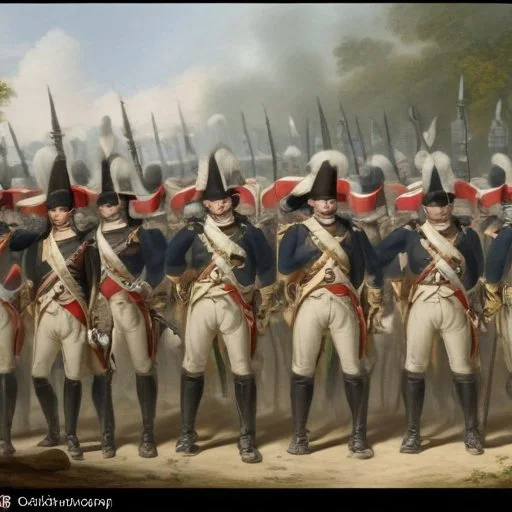
In the summer of 1781, the war was at a stalemate. American forces, led by General Washington, had been fighting for six long years, but the British still controlled large swaths of territory. The French, however, had been secretly supporting the American cause, providing financial and military aid. Admiral de Grasse's fleet, dispatched from the West Indies, was the game-changer Washington had been waiting for.
August 1781: Admiral de Grasse sets sail from the West Indies, bound for the Chesapeake Bay.
September 5, 1781: The French fleet arrives at the Chesapeake Bay, blocking the British escape routes.
September 14, 1781: Washington and Rochambeau's troops begin their march to Yorktown from New York.
September 28, 1781: The French and American forces converge on Yorktown, trapping the British.
October 9, 1781: The allies begin the siege, bombarding the British positions with artillery.
October 14, 1781: British attempts to escape across the York River are thwarted by a French naval blockade.
October 19, 1781: Cornwallis attempts a desperate escape, but it fails, and he surrenders his army.
The Siege of Yorktown was a crushing defeat for the British, marking a turning point in the war. The surrender of Cornwallis's army led to:
The Siege of Yorktown cemented the reputation of Washington as a master strategist and secured his place in American history. It also marked the beginning of a new era of international cooperation, as the French and American alliance paved the way for future collaborations. As Washington himself wrote, "The hand of Providence has been visibly employed in our favor." The Siege of Yorktown will forever be remembered as a testament to the power of determination, strategy, and the unwavering pursuit of freedom.
The French involvement in the American Revolution was not solely driven by altruism. In fact, France had long been rivals with Britain, and the opportunity to weaken their enemy was too great to pass up. The French government saw the American Revolution as a chance to exact revenge for their defeat in the Seven Years' War, and to gain a strategic advantage in the global balance of power. This motivation is evident in the secret treaties and alliances formed between France and the American states, which paved the way for the French military intervention at Yorktown.
Furthermore, the French navy played a crucial role in the siege, as their fleet blocked the British escape routes and prevented reinforcements from arriving. This naval blockade was a testament to the strength and strategy of the French military, and marked a turning point in the war.

Comte de Rochambeau, the French general who led the troops accompanying Washington's march to Yorktown, was a seasoned military strategist with extensive experience in European wars. Born into a noble family, Rochambeau had risen through the ranks of the French army, earning a reputation for his bravery and tactical prowess. He was chosen by King Louis XVI to lead the French expeditionary force to America, and his partnership with Washington was instrumental in the success of the siege.
Rochambeau's diplomatic skills were also essential in maintaining the fragile alliance between the French and American forces. He navigated the complexities of cultural and linguistic differences, ensuring that the coalition remained united in their goal of defeating the British.
The Siege of Yorktown shares striking similarities with the Battle of Saratoga, fought four years earlier. Both battles saw American forces, aided by foreign allies, defeating the British in a decisive and pivotal conflict. Both battles were marked by clever strategic maneuvers, clever use of terrain, and a refusal to yield in the face of adversity.
However, the Siege of Yorktown was unique in its global implications. The surrender of Cornwallis's army marked a shift in the balance of power, as European powers began to recognize the legitimacy of the American Revolution. In contrast, the Battle of Saratoga, while significant, was largely seen as a localized conflict.
The Siege of Yorktown was not an isolated event, but rather part of a larger global conflict. The American Revolution was just one theater in a broader struggle for power and influence between European empires. The French, British, Spanish, and Dutch were all vying for control of colonies, resources, and trade routes.
In this context, the British defeat at Yorktown marked a significant blow to their imperial ambitions. The loss of the American colonies weakened British claims to global dominance, creating an opportunity for other powers to assert their influence.
The Siege of Yorktown had a profound impact on American culture, shaping the nation's identity and values. The victory marked a triumph of liberty over tyranny, and cemented the Revolution's ideals of freedom, democracy, and self-governance.
The siege also inspired a wave of patriotic art, literature, and music, as Americans celebrated their hard-won independence. The legacy of Yorktown continues to influence American culture, with its ideals of perseverance and determination remaining an integral part of the national psyche.