British General Charles Cornwallis surrenders at Yorktown
General Charles Cornwallis, commander of the British forces, found himself trapped in Yorktown, Virginia, surrounded by the combined might of American and French troops led by General George Washington and the Comte de Rochambeau. With his army dwindling and supplies running low, Cornwallis attempted a daring escape across the York River, but a sudden storm thwarted his plans. facing the inevitability of defeat, he requested a ceasefire and, on October 19, 1781, rode out to surrender his sword to the American and French commanders. The humiliating defeat marked the effective end of the American Revolutionary War, paving the way for British recognition of American independence.
The Siege of Yorktown: The Pivotal Moment in the American Revolutionary War
A Turning Point in History
The Siege of Yorktown, a pivotal battle fought in 1781, marked the effective end of the American Revolutionary War and paved the way for British recognition of American independence. This decisive victory for the Continental Army, led by General
George Washington, and their French allies, led by the Comte de Rochambeau, would go down in history as one of the most significant military campaigns of all time.
A Trapped Army
General Charles Cornwallis, commander of the British forces, found himself cornered in Yorktown, Virginia, surrounded by the combined might of American and French troops. With his army dwindling and supplies running low, Cornwallis attempted a daring escape across the York River, but a sudden storm thwarted his plans. Facing the inevitability of defeat, he requested a ceasefire, and on October 19, 1781, rode out to surrender his sword to the American and French commanders.
- General George Washington: Commander-in-Chief of the Continental Army, Washington played a crucial role in the Siege of Yorktown, working in tandem with the French forces to trap the British.
- Comte de Rochambeau: French Marshal and commander of the French forces, Rochambeau's strategic prowess and military expertise proved invaluable in the battle.
- General Charles Cornwallis: Commander of the British forces, Cornwallis's defeat at Yorktown marked a turning point in the war, and ultimately, the British recognition of American independence.
The Siege of Yorktown lasted from September 28 to October 19, 1781. The Continental Army and their French allies employed a series of clever tactics, including:
- Trench warfare: Digging trenches to slowly encircle the British forces, ultimately trapping them.
- Artillery bombardment: Unrelenting cannon fire weakened the British defenses, making it impossible for them to hold out.
- Military strategy: Washington and Rochambeau's combined forces worked in tandem to surround and crush the British army.
The surrender at Yorktown marked the beginning of the end of the American Revolutionary War. The British government, realizing the futility of continuing the conflict, began negotiating a peace treaty. The Treaty of Paris, signed in 1783, officially recognized American independence, cementing the Siege of Yorktown's place in history as a pivotal moment in the struggle for American freedom.
- "We must be unanimous; there must be no pull-backs." - George Washington, emphasizing the importance of unity among the Continental Army.
- "I have taken the utmost care to provide for every contingency." - Charles Cornwallis, in a letter to Lord Clinton, British Commander-in-Chief, regarding his preparations for the siege.
The Siege of Yorktown's influence on American history is immeasurable. It marked the beginning of a new era of independence and self-governance, shaping the course of the United States for centuries to come. As a testament to the power of perseverance and strategic thinking, the siege continues to inspire leaders and military strategists to this day.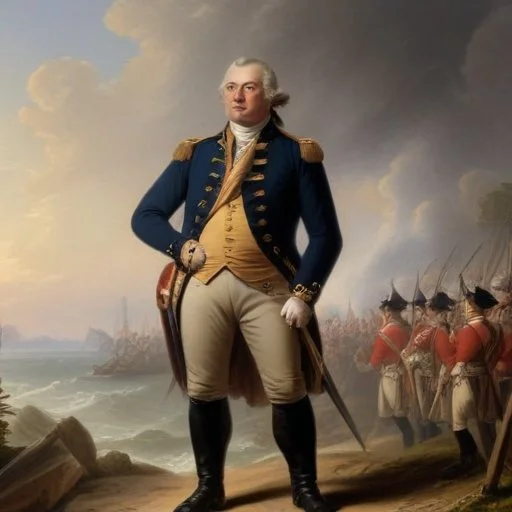
Thorough Historical Narrative
The Siege of Yorktown was a culmination of a series of strategic moves made by Washington and Rochambeau. The French fleet, led by Admiral de Grasse, played a crucial role in blocking the British escape route, while the Continental Army and French forces worked together to encircle the British troops.
The siege itself was a slow and grueling process, with the American and French forces digging trenches and advancing their lines incrementally. The British, meanwhile, were running low on supplies and were unable to withstand the constant bombardment.
The final push came on October 14, when Washington ordered a massive artillery barrage that destroyed several British redoubts. This marked the beginning of the end for the British, and Cornwallis requested a ceasefire two days later.
Comprehensive Character Portrait
Comte de Rochambeau: The Unsung Hero
Rochambeau, a French Marshal, is often overshadowed by Washington in accounts of the Siege of Yorktown. However, his strategic prowess and military expertise were instrumental in the Continental Army's victory.
Rochambeau's experience in European warfare proved invaluable, as he adapted his tactics to the American theater and worked seamlessly with Washington to trap the British. His leadership and diplomacy also played a crucial role in maintaining the fragile alliance between the Americans and the French.
Full Comparison Analysis
The Siege of Yorktown is often compared to the Battle of Saratoga, another pivotal American victory during the Revolutionary War. While both battles were decisive in their own right, they differed significantly in terms of their strategic context and military tactics.
Saratoga was a more conventional battle, with both sides facing off in a series of bloody engagements. Yorktown, on the other hand, was a masterclass in siege warfare, with the Americans and French using trench warfare and artillery bombardment to slowly strangle the British.

Study of Geopolitical Factors
The Siege of Yorktown took place against the backdrop of a complex web of alliances and rivalries between European powers. The French, seeking to weaken their long-time rivals the British, had been providing financial and military aid to the Americans since 1778.
The Spanish, meanwhile, were fighting their own war against Britain, and had allied themselves with the French. This created a delicate balance of power, with the European powers jockeying for position in the New World. The American victory at Yorktown would have far-reaching implications for this global struggle.
Document Examination
The Cornwallis Map: A Glimpse into the British Commander's Mind
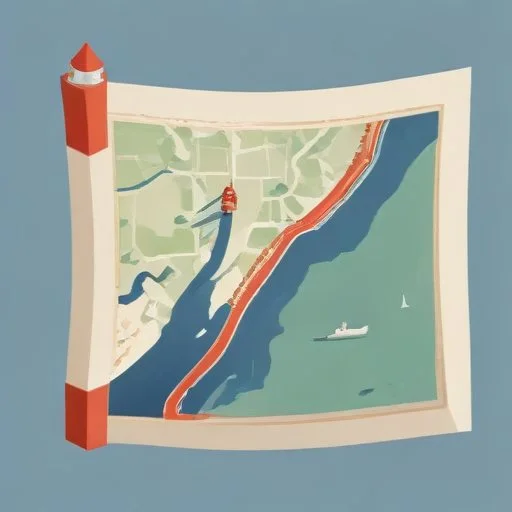
In the weeks leading up to the Siege of Yorktown, Cornwallis created a detailed map of the battlefield, highlighting the British defenses and potential escape routes.
This map, now housed in the Library of Congress, provides valuable insights into Cornwallis's strategic thinking and offers a unique perspective on the battle. It is a poignant reminder of the human element behind the grand events of history.


