


On December 3, 1997, a groundbreaking treaty was adopted, outlawing the use, stockpiling, production, and transfer of antipersonnel mines. This landmark agreement, signed by 122 countries, marked a significant shift in the global effort to eradicate the devastating effects of landmines on civilians, particularly children, in war-torn regions.
The AntiPersonnel Mine Ban Convention was the culmination of decades of activism and advocacy by humanitarian organizations, governments, and individuals. The campaign to ban landmines gained momentum in the 1990s, driven by the devastating consequences of landmine use in conflicts around the world.
The Convention was a pioneering effort in humanitarian law, establishing a new standard for international cooperation and solidarity. It set a precedent for future disarmament agreements, demonstrating that collective action can lead to significant progress in reducing human suffering.
The adoption of the AntiPersonnel Mine Ban Convention was made possible by the tireless efforts of several key figures, including:
The journey to adoption was marked by intense diplomatic efforts and negotiations. The process began in 1996, with the launch of the Ottawa Process, a diplomatic initiative aimed at banning landmines. The negotiations culminated in the adoption of the Convention in Oslo, Norway, on December 3, 1997.
The AntiPersonnel Mine Ban Convention has had a profound impact on humanitarian action, leading to:
The Convention has also had a profound cultural impact, inspiring a new wave of humanitarian activism and solidarity. It has raised awareness about the devastating effects of landmines, mobilizing public opinion and driving political will to act.
The Convention has received widespread recognition, including the 1997 Nobel Peace Prize, awarded to the ICBL and Jody Williams.
Today, the AntiPersonnel Mine Ban Convention remains a beacon of hope for a safer, more humane world. Its adoption has paved the way for future disarmament agreements, cementing its place in the annals of humanitarian history.
The Convention serves as a powerful reminder that collective action can lead to significant progress in reducing human suffering, inspiring future generations to strive for a world free from the scourge of landmines.
In the aftermath of World War II, the international community began to recognize the devastating consequences of landmines on civilian populations. The 1949 Geneva Conventions and the 1977 Additional Protocols emphasized the protection of civilians in armed conflicts, laying the groundwork for future humanitarian law.
However, it wasn't until the 1990s that the campaign to ban landmines gained momentum, driven by the growing awareness of the indiscriminate harm caused by these weapons. The Anti-Personnel Mine Ban Convention marked a significant turning point in this trajectory, solidifying the norm against the use of landmines in international humanitarian law.

Jody Williams: From grassroots activism to Nobel laureate
Jody Williams, an American humanitarian, dedicated her life to eradicating the threat of landmines. As the founding coordinator of the International Campaign to Ban Landmines (ICBL), Williams played a pivotal role in mobilizing the international community to take action.
Her tireless advocacy efforts, coupled with her expertise in humanitarian law, made her a driving force behind the Anti-Personnel Mine Ban Convention. In 1997, Williams was awarded the Nobel Peace Prize, recognition of her unwavering commitment to protecting civilians from the ravages of war.
The Anti-Personnel Mine Ban Convention has had a profound impact on popular culture, inspiring a new wave of humanitarian activism and solidarity. The convention's adoption was seen as a beacon of hope, symbolizing the power of collective action in reducing human suffering.
Artists, musicians, and writers have been inspired by the convention's message, creating works that raise awareness about the devastating effects of landmines. From benefit concerts to charity events, the cultural landscape has been shaped by the convention's call to action.
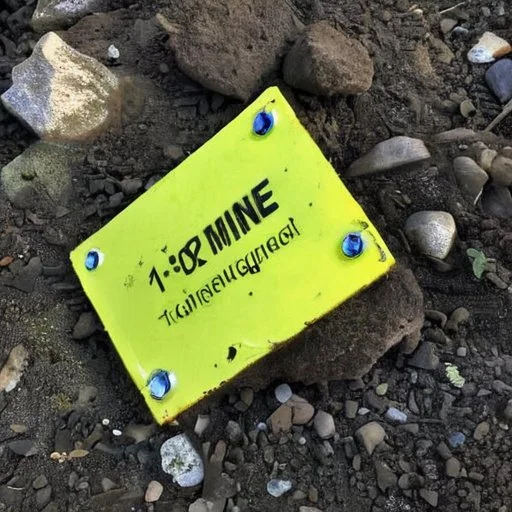
The Anti-Personnel Mine Ban Convention has been instrumental in driving social change, mobilizing public opinion and influencing policy decisions. The convention's adoption marked a shift in the global narrative, from one of tolerance for the use of landmines to one of zero tolerance.
The convention has inspired a new generation of activists, who see the eradication of landmines as a tangible goal. This grassroots movement has been instrumental in pressuring governments to take action, demonstrating the power of collective action in driving social change.
The environmental impact of landmines has been a critical aspect of the Anti-Personnel Mine Ban Convention. The widespread use of landmines has contaminated vast areas of land, rendering them unusable for agricultural purposes and threatening biodiversity.
The convention's emphasis on clearance and destruction of stockpiled landmines has enabled the restoration of contaminated land, allowing communities to rebuild and reclaim their environment. This environmentally conscious approach has set a precedent for future disarmament agreements, highlighting the interconnectedness of human and environmental well-being.