


In September 2019, the world witnessed an unprecedented display of solidarity as approximately 1.4 million young people from 123 countries skipped school and took to the streets to demand urgent action against climate change.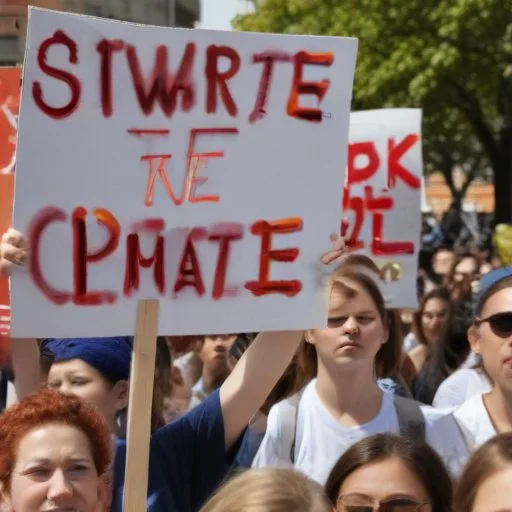
This global phenomenon was inspired by 16-year-old Greta Thunberg, who had been conducting solo protests outside the Swedish Parliament building to raise awareness about the climate crisis. Her determination and passion sparked a wave of protests that swept across the globe, with students and youth from diverse backgrounds uniting to demand a better future.
On that fateful day, cities worldwide were awash with colorful signs, chanting slogans, and impassioned speeches. From Tokyo to Toronto, protesters of all ages gathered to express their concern about the devastating impact of climate change on their communities and the planet.
Among the sea of faces, there were countless stories of personal motivation and conviction. There was 12-year-old Zuriel Oduwole, who traveled from Nigeria to participate in the strike, fueled by her desire to protect her community from the ravages of climate change. There was also 19-year-old Sophia Kianni, who had been advocating for climate action since she was 13, inspired by her experiences as a refugee from Iran.
The global climate strike marked a pivotal moment in the fight against climate change, demonstrating the power of collective action and the determination of young people to shape their own future. The event sparked a wave of momentum, with many world leaders acknowledging the urgent need for climate action and pledging to reduce emissions and invest in sustainable practices.
"We are the ones we've been waiting for. We are the change that we seek." - Greta Thunberg
"I want a livable future. I want to be able to live on this planet without fear of it being destroyed." - Zuriel Oduwole
The global climate strike was not just a protest, but a cultural phenomenon that resonated with people from all walks of life. It inspired a new wave of climate-conscious art, music, and literature, cementing the role of creativity in driving social change.
I recall attending the climate strike in New York City with my family, witnessing the sheer energy and determination of the protesters. My children, aged 8 and 10, were inspired by the passion and conviction of their peers, and it sparked a newfound interest in environmental activism.
The global climate strike paved the way for subsequent protests and rallies, including the Fridays for Future movement, which continues to inspire weekly protests and demand action from world leaders.

The global climate strike was recognized as one of the most influential events of 2019 by Time Magazine, with Greta Thunberg being named as one of the 100 most influential people in the world.
The global climate strike sparked a renewed focus on climate education, with many schools and universities incorporating environmental studies into their curricula. It also inspired a new wave of climate-conscious entrepreneurs and innovators, driving innovation in sustainable practices and renewable energy.
The global climate strike demonstrated the power of collective action and the impact that individuals can have when united in a common cause. It showed that even the smallest actions can spark a global movement, inspiring a new generation of environmental leaders and change-makers.
The global climate strike was a cultural phenomenon that resonated with people from all walks of life, transcending national boundaries and ideologies.
It inspired a new wave of climate-conscious art, music, and literature, cementing the role of creativity in driving social change.
The strike also sparked a cultural shift, with many celebrities and influencers using their platforms to raise awareness about climate change and promote sustainable living.
The "Greta Effect" on Social MediaGreta Thunberg's Twitter following increased by over 1 million during the strike, making her one of the most influential voices on social media.

The global climate strike brought attention to the devastating impact of climate change on the environment, highlighting the urgent need for sustainable practices and renewable energy sources.
The strike emphasized the importance of reducing greenhouse gas emissions, protecting natural habitats, and preserving ecosystems.
It also spurred a renewed focus on environmental education, with many schools and universities incorporating climate studies into their curricula.
Greta Thunberg, the 16-year-old climate activist, was the driving force behind the global climate strike.
Her determination and passion inspired a wave of protests that swept across the globe, with students and youth from diverse backgrounds uniting to demand climate action.
Thunberg's courageous stance and unwavering commitment to the cause have made her a global icon and a powerful symbol of resistance against climate change.
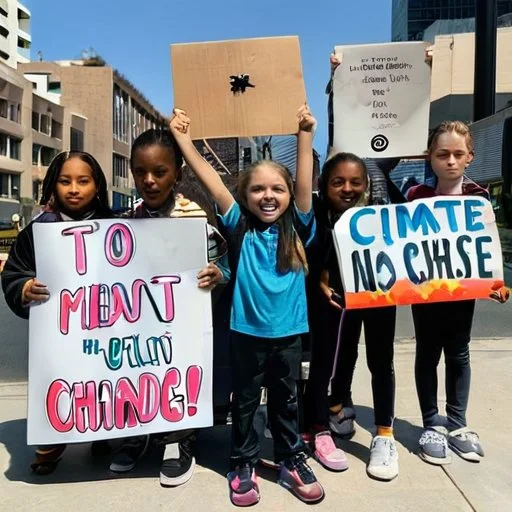
The global climate strike was a testament to the power of collective action, demonstrating the impact that individuals can have when united in a common cause.
The strike brought together people from diverse backgrounds, ages, and nationalities, creating a sense of community and shared purpose.
It also emphasized the importance of intergenerational collaboration, with young people, parents, and grandparents working together to demand climate action.
The global climate strike was a watershed moment in the history of environmental activism, marking a shift in the global conversation about climate change.
It drew parallels with other historic social movements, such as the Civil Rights Movement and the anti-apartheid movement, highlighting the power of grassroots activism in driving social change.
The strike also underscored the importance of understanding the historical context of climate change, acknowledging the disproportionate impact of colonialism and industrialization on vulnerable communities.