


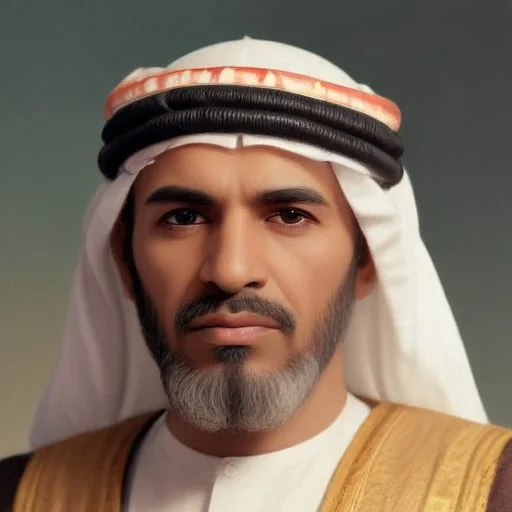
The Arab Revolt was not an isolated event, but rather part of a broader trend of anti-Ottoman sentiment that had been building across the Middle East. In the years leading up to the revolt, various Arab nationalist groups had been advocating for independence from Ottoman rule. Hussein bin Ali, sensing an opportunity to unite the Arab people, began secretly corresponding with these groups, eventually forming an alliance that would become the backbone of the revolt.
As the revolt gained momentum, Hussein's forces faced significant challenges, including a lack of resources, inadequate training, and stiff Ottoman resistance. Despite these obstacles, the Arab forces persevered, buoyed by their conviction that they were fighting for a noble cause. The British, who had been providing financial and military support to the Arabs, began to take a more direct role in the conflict, deploying troops to key locations and providing strategic guidance to the Arab leadership.
The Ottoman Empire, meanwhile, was struggling to maintain control over its vast territories. Beset by internal rivalries, corruption, and a stagnant economy, the empire was ill-equipped to respond effectively to the Arab challenge. As the revolt spread, Ottoman authorities became increasingly brutal, resorting to massacres, forced conscription, and other forms of coercion to quell the uprising. These tactics only served to galvanize the Arab people, who saw the Ottomans as an occupying force that needed to be overthrown.

Hussein bin Ali, the Sharif of Mecca, was a complex figure, driven by a mix of personal ambition, religious conviction, and patriotic fervor. Born in 1854, Hussein was a member of the Hashemite family, which had ruled Mecca for centuries. He was educated in Constantinople, where he developed a deep understanding of Ottoman politics and culture.
Hussein's rise to prominence was facilitated by his diplomatic skills, which allowed him to navigate the treacherous world of Ottoman politics. He forged alliances with various Arab tribes, persuading them to join his cause. At the same time, he cultivated relationships with European powers, including Britain, which saw him as a key player in the Middle Eastern geopolitical landscape.
Despite his many talents, Hussein was not without his flaws. He was known to be autocratic and sometimes ruthless, willing to do whatever it took to achieve his goals. His decision to launch the Arab Revolt was motivated, in part, by a desire to establish himself as the leader of a unified Arab state.
The Arab Revolt had a profound impact on Arab culture, sparking a wave of nationalist sentiment that continues to shape the region today. The revolt's emphasis on Arab unity and self-governance helped to create a sense of shared identity among Arabs, transcending traditional tribal and regional affiliations.
The revolt also led to a resurgence of interest in Arab history and culture. As Arabs began to assert their independence, they turned to their rich cultural heritage for inspiration, rediscovering the works of Arab poets, writers, and thinkers. This cultural renaissance helped to foster a sense of pride and self-awareness among Arabs, who saw themselves as part of a larger narrative of resistance and liberation.
One of the most enduring legacies of the Arab Revolt is the concept of pan-Arabism, which posits that all Arabs share a common identity and set of interests. This ideology, which was championed by Hussein bin Ali and other Arab leaders, continues to influence Middle Eastern politics and culture today.

The Arab Revolt had significant economic implications for the Middle East. The collapse of the Ottoman Empire led to a period of economic disruption, as trade networks and supply chains were disrupted. However, the revolt also created new opportunities for economic development, as Arab states began to assert their independence and take control of their own resources.
The British, who had been providing financial support to the Arabs, began to invest heavily in the region, establishing new trade agreements and infrastructure projects. The discovery of oil in the 1920s further transformed the regional economy, as Arab states became major players in the global energy market.
Today, the Middle East is home to some of the world's largest economies, with countries like Saudi Arabia, Egypt, and the UAE playing key roles in global trade and finance. The Arab Revolt marked a turning point in the region's economic history, paving the way for the growth and development of modern Arab states.
The Arab Revolt took place against the backdrop of World War I, which had a profound impact on the Middle Eastern geopolitical landscape. As the war raged on, the Ottoman Empire, which had entered the conflict on the side of the Central Powers, began to weaken, creating an opportunity for Arab nationalist forces to assert their independence.
The British, who had long been seeking to undermine Ottoman power, saw the Arab Revolt as a chance to advance their own interests in the region. They provided financial and military support to the Arabs, while also pursuing their own strategic objectives, including the capture of key locations like Baghdad and Damascus.
The post-war settlement, which led to the creation of the modern Middle East, was shaped by the outcome of the Arab Revolt. The British and French, who had carved up the region into spheres of influence, drew borders that often ignored traditional tribal and ethnic boundaries, creating a legacy of instability and conflict that persists to this day.