


In the early hours of February 17, 2011, Bahrain's Pearl Roundabout in Manama became a scene of unimaginable carnage as security forces launched a brutal predawn raid on peaceful protesters, earning the notorious title of Bloody Thursday.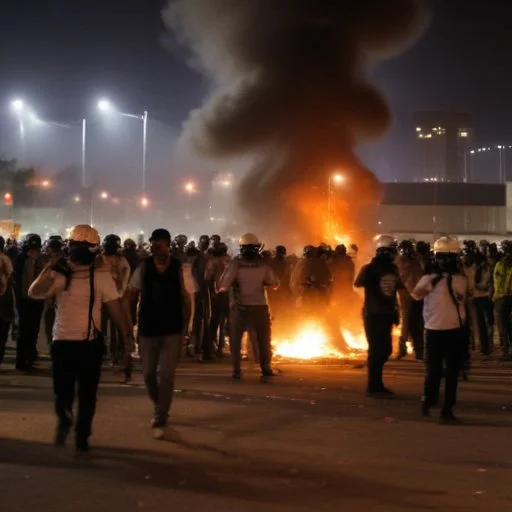
This fateful day marked a turning point in Bahrain's struggle for democracy, as the world witnessed the devastating consequences of the government's attempts to quash the Arab Spring-inspired protests, which had been gaining momentum since February 14, 2011.
The protests, largely driven by the Shi'a majority population, demanded democratic reforms, greater freedoms, and an end to discrimination. The movement, inspired by the success of Tunisia's Jasmine Revolution, sought to address the socio-economic disparities and political marginalization of the Shia population.
At approximately 3:00 am on February 17, Bahrain's security forces, accompanied by riot police and military personnel, descended upon the Pearl Roundabout, where protesters had set up camp. The ensuing violence was characterized by the use of tear gas, batons, and live ammunition, leaving a trail of bloodshed and chaos in its wake.
The ensuing melee resulted in the deaths of at least four protesters, with many more injured and arrested. The horror of the event was exacerbated by reports of security forces targeting medical personnel and ambulances, attempting to prevent the wounded from receiving medical attention.
The brutality of the raid sparked widespread outrage, both domestically and internationally. Human rights organizations, governments, and world leaders condemned the Bahraini government's actions, calling for an immediate end to the violence and a full investigation into the events of Bloody Thursday.
The United States, the United Kingdom, and other Western nations, which had previously maintained close ties with Bahrain, were forced to re-evaluate their relationships with the Gulf state in light of the government's human rights abuses.
Bloody Thursday marked a pivotal moment in Bahrain's struggle for democracy, serving as a catalyst for further protests and activism. While the immediate aftermath of the event saw a crackdown on dissent, the long-term consequences have been a growing call for reform and increased international scrutiny of Bahrain's human rights record.
In the years following Bloody Thursday, Bahrain has faced numerous criticisms from human rights organizations, including Amnesty International and Human Rights Watch, regarding its treatment of political prisoners, suppression of free speech, and use of torture.
Bahrain's authorities have continued to restrict freedoms and stifle dissent, with the ruling Al Khalifa family maintaining a firm grip on power. However, the seeds of resistance sown on Bloody Thursday have taken root, inspiring a new generation of activists and reformers to continue the fight for democracy and human rights.
As the world looks back on the events of Bloody Thursday, it serves as a poignant reminder of the human cost of oppression and the indomitable spirit of those who dare to challenge the status quo.
"We will not be silenced. We will not be intimidated. We will continue to demand our rights and our freedom." - Maryam al-Khawaja
"The blood of our martyrs will not be in vain. We will continue to fight for our rights and our dignity." - Ayatollah Isa Qassim
The events of Bloody Thursday in Bahrain share eerie similarities with other brutal crackdowns on democratic movements around the world. The Tiananmen Square Massacre in China (1989) and the Gwangju Democratization Movement in South Korea (1980) are two notable examples. In each case, authoritarian governments responded to peaceful protests with violence, resulting in significant loss of life and widespread international condemnation.
One key difference between these events is the role of social media in amplifying the message of the protesters. In Bahrain, Twitter and Facebook played a crucial role in spreading information about the protests and the government's response, allowing the international community to bear witness to the atrocities in real-time.

Ayatollah Isa Qassim: A Spiritual Leader and Champion of Reform
Ayatollah Isa Qassim is a prominent Shia cleric and opposition leader who has been a vocal advocate for democratic reforms in Bahrain. Born in 1937, Qassim has spent decades studying and teaching Islamic jurisprudence, earning him widespread respect among the Shia community.
Qassim's leadership played a crucial role in mobilizing the Shia population during the 2011 protests, and his continued support for the movement has made him a target for government harassment and repression.
The economic impact of Bloody Thursday was significant, with Bahrain's economy suffering a sharp decline in the aftermath of the violence. The country's tourism industry, which accounts for a substantial portion of GDP, was particularly hard hit as visitors cancelled their trips in response to the unrest.
The Bahraini dinar, pegged to the US dollar, also came under pressure, leading to a decline in investor confidence and a decrease in foreign investment.
In the long term, the government's human rights abuses have led to increased scrutiny from international organizations and countries, threatening Bahrain's standing as a major financial hub in the region.
Bahrain's response to the 2011 protests was marked by a significant shift in the country's political landscape. The government's brutal crackdown on protesters led to a hardening of positions among the opposition, with many calling for the downfall of the ruling Al Khalifa family.
In the years since, the opposition has become increasingly fragmented, with some groups advocating for peaceful reform and others embracing more radical approaches.
The government, meanwhile, has continued to consolidate its power, imposing strict controls on dissent and restricting the activities of civil society organizations.
The social dynamics underlying the 2011 protests in Bahrain were complex and multifaceted. The Shia majority population, long Marginalized and excluded from key positions of power, formed the backbone of the protest movement.
Youth activists, many of whom were inspired by the success of Tunisia's Jasmine Revolution, played a crucial role in mobilizing the protests and promoting the movement's message through social media.
The government's response to the protests, marked by brutality and repression, has only served to exacerbate existing social tensions, leading to a further entrenchment of sectarian divisions in Bahraini society.