


Juan Perón, the charismatic former general and president, made a stunning comeback to the Argentine political scene in 1973, after an 18-year exile. His triumphant return to the Casa Rosada, the presidential palace, marked a significant shift in the country's political landscape, as he won a landslide election that would change the course of Argentine history.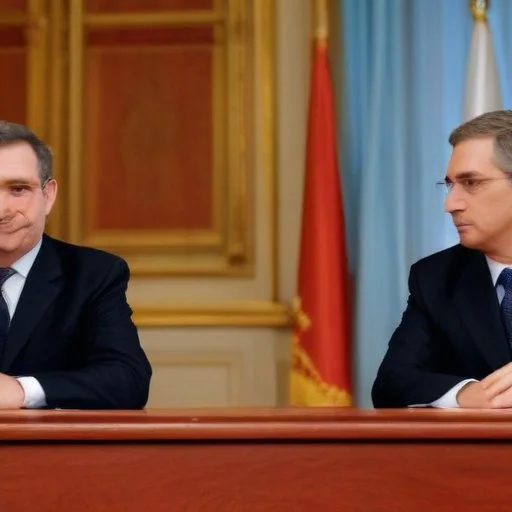
Perón's populist rhetoric and promises of economic reform resonated deeply with the Argentine people, who were weary of military rule and economic stagnation. His charismatic persona, combined with his wife Isabel's charm, won over the hearts and minds of the electorate, paving the way for a new era of Peronism.
Perón's first stint as president began in 1946, when he rose to power as a champion of the working class. His policies, which emphasized economic nationalism and social welfare, earned him widespread popularity. However, his authoritarian tendencies and human rights abuses eventually led to his ouster in 1955. The intervening years saw a tumultuous period of military rule, which further exacerbated Argentina's economic woes.
The 1973 election was a culmination of Perón's tireless efforts to rebuild his political base from exile. He skillfully exploited the disillusionment with military rule and capitalized on the nostalgia for his previous term. The election itself was marked by fervent Peronist rallies, which showcased the couple's enduring popularity.
Perón's return to power marked a significant shift in Argentina's political and economic landscape. He implemented policies aimed at reducing poverty and inequality, and his government oversaw a period of economic growth. However, his third term was also marked by rising inflation, corruption, and human rights abuses.
Perón's return to power had a profound impact on Argentine culture and society. His populist policies and charisma resonated with the working class, and his government's emphasis on social welfare programs helped to reduce poverty and inequality. The Peronist movement also spawned a new wave of social and cultural activism, which would shape Argentine society for decades to come.
Perón's return to power was not without controversy. His government was criticized for its authoritarian tendencies, corruption, and human rights abuses. The Peronist movement was also marked by internal power struggles, which would eventually lead to Isabel's presidency and the decline of Peronism.
Perón's triumphant return to power in 1973 marked a significant turning point in Argentine history, shaping the country's political, economic, and social landscape for decades to come.
Perón's legacy is complex and multifaceted. While his populist policies and charisma earned him a special place in the hearts of the Argentine people, his authoritarian tendencies and human rights abuses have been widely criticized. Nevertheless, his impact on Argentine politics and society remains undeniable, and his legacy continues to shape the country's destiny.
Isabel Perón, Juan's wife and running mate, played a crucial role in his triumphant return to power. Her charm and charisma helped to win over the hearts and minds of the electorate, particularly among women and the working class.
Although often overshadowed by her husband's larger-than-life persona, Isabel was a shrewd politician in her own right. She was instrumental in campaigning for her husband and helped to mobilize the Peronist movement from behind the scenes.
Isabel's influence extended beyond the campaign trail. She was a key advisor to her husband and played a significant role in shaping Peronist policy, particularly on issues related to women's rights and social welfare.

Perón's return to power had a profound impact on Argentine culture. His populist policies and charisma resonated deeply with the working class, who saw him as a champion of their interests.
The Peronist movement also spawned a new wave of cultural activism, with artists, writers, and musicians embracing the movement's ideals of social justice and equality.
Perón's government actively promoted Argentine culture, investing in arts and education programs and celebrating the country's rich cultural heritage.
Perón's return to power marked a significant shift in Argentina's economic landscape. His populist policies aimed to reduce poverty and inequality, and his government implemented a range of measures to stimulate economic growth.
The economy experienced a brief period of growth, with inflation falling and industrial production increasing. However, the government's fiscal policies were criticized for being unsustainable, and the economy eventually succumbed to rampant inflation and corruption.
Despite these challenges, Perón's government made significant investments in infrastructure, including transportation and energy projects, which helped to modernize the country's economy.
Perón's return to power marked a significant shift in the Argentine political landscape. His Peronist movement tapped into widespread disillusionment with military rule and economic stagnation, appealing to a broad swath of the electorate.
The Peronist movement's populist ideology resonated with many Argentines, who saw Perón as a champion of their interests and a symbol of resistance against military rule.
Perón's government also faced significant challenges, including opposition from the military and rival political factions. Despite these challenges, Perón's popularity remained high, and his government was able to implement a range of significant reforms.
Perón's return to power took place against a backdrop of significant geopolitical change. The Cold War was at its height, and Argentina was caught between the competing interests of the United States and the Soviet Union.
The Peronist movement was viewed with suspicion by the United States, which saw it as a potential threat to American influence in the region. In contrast, the Soviet Union viewed Perón as a potential ally, and his government received significant economic aid from the Soviet bloc.
Perón's government navigated this complex geopolitical landscape with caution, maintaining a policy of non-alignment and seeking to balance the competing interests of the major powers.