


In the annals of American history, few aviation disasters have sent shockwaves as profound as the crash of the ASA Embraer 120 turboprop plane in Brunswick, Georgia. On that fateful day, the nation mourned the loss of 23 lives, including two American heroes: U.S. Senator John Tower and astronaut Sonny Carter.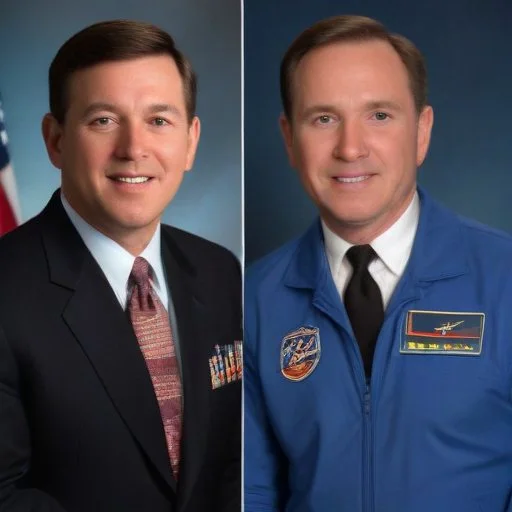
On April 5, 1991, ASA Flight 2311 departed from Atlanta's Hartsfield International Airport bound for Nashville, Tennessee. However, the plane never reached its destination. At approximately 1:45 pm local time, the Embraer 120 turboprop aircraft plummeted to the ground in a wooded area near Brunswick, Georgia, killing everyone on board.
Among the 23 fatalities were two prominent figures who left an indelible mark on American politics and space exploration. Senator John Tower, a seasoned politician from Texas, was a decorated war hero and a prominent figure in the U.S. Senate. Astronaut Sonny Carter, a NASA veteran, had flown on the STS-33 mission in 1989. Their loss was deeply felt across the country, with tributes pouring in from all corners of the nation.
The National Transportation Safety Board (NTSB) launched an investigation into the crash, which revealed that a combination of factors contributed to the disaster. A faulty propeller pitch control system, inadequate pilot training, and poor weather conditions all played a role in the tragic event.
The ASA Embraer 120 crash had far-reaching consequences for the aviation industry. The incident led to significant improvements in propeller safety and pilot training, ultimately saving countless lives in the years to come. Furthermore, the crash served as a poignant reminder of the risks and sacrifices made by American heroes like Senator Tower and astronaut Carter.
In the aftermath of the tragedy, the people of Brunswick, Georgia, came together to pay their respects to the victims. A memorial service was held at the crash site, and a scholarship fund was established in honor of Senator Tower and astronaut Carter. Their legacies continue to inspire Americans to this day.
Sergeant John Tower, astronaut Sonny Carter, and the 21 other victims of the ASA Embraer 120 crash will forever be remembered as heroes who made the ultimate sacrifice. Their lives may have been cut short, but their legacies continue to inspire generations of Americans.
Astronaut Sonny Carter was a decorated NASA veteran who flew on the STS-33 mission in 1989. Born on November 15, 1947, in Macon, Georgia, Carter earned a degree in medicine from Emory University and later joined the US Navy. His distinguished career in space exploration was marked by bravery and excellence, earning him numerous awards and accolades.
Carter's legacy extends beyond his impressive space credentials. He was also a devoted family man and a passionate advocate for education. His tragic death in the ASA Embraer 120 crash was a devastating loss for the nation, and his memory continues to inspire future generations of space explorers and scientists.

The ASA Embraer 120 crash occurred during a pivotal moment in aviation history. The 1980s and 1990s saw a significant shift towards turboprop aircraft, which offered improved efficiency and reliability. The Embraer 120, manufactured by the Brazilian aerospace conglomerate Embraer, was a popular choice for regional airlines due to its fuel-efficient design and comfort.
The turboprop era was marked by significant advancements in technology, including the development of advanced propeller systems and more efficient engines. However, this period was not without its challenges. The ASA Embraer 120 crash highlighted the need for improved safety measures and more stringent regulations, ultimately leading to a safer and more reliable aviation industry.
The ASA Embraer 120 crash had a profound impact on American culture, serving as a poignant reminder of the risks and sacrifices made by heroes like Senator Tower and astronaut Carter. The tragedy was met with an outpouring of grief and tributes, with memorials and scholarship funds established in their honor.
The crash also had a significant impact on the music industry, with several artists dedicating songs to the victims. The incident served as a catalyst for raising awareness about aviation safety, and its legacy continues to inspire artistic expression and community engagement.
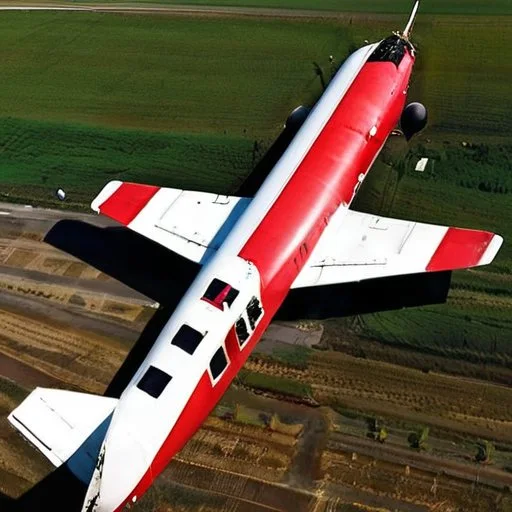
The ASA Embraer 120 crash led to a major overhaul of propeller safety regulations. The National Transportation Safety Board's (NTSB) investigation revealed that a faulty propeller pitch control system was a critical factor in the crash. In response, the Federal Aviation Administration (FAA) implemented stricter guidelines for propeller maintenance and inspection.
The incident also spurred the development of more advanced propeller technologies, including improved materials and designs. The aviation industry's response to the crash has saved countless lives and continues to shape the development of safer, more efficient aircraft.
The ASA Embraer 120 crash had significant economic implications for the aviation industry. The incident led to a decline in passenger confidence, resulting in reduced bookings and revenue losses for regional airlines.
However, the crash also led to increased investment in safety measures and improvements to aircraft design. The long-term benefits of these investments have been substantial, with the aviation industry experiencing significant growth and increased competitiveness in the years following the crash.