Kamal Jumblatt, Lebanese Civil War leader, assassinated
Amidst the chaos of the Lebanese Civil War, a lone gunman struck a fatal blow to the anti-government forces, silencing their charismatic leader, Kamal Jumblatt. A prominent Druze politician and fierce critic of the Syrian occupation, Jumblatt's assassination sent shockwaves throughout the war-torn nation. His brutal murder, allegedly orchestrated by Syrian intelligence, sparked widespread outrage and marked a devastating turning point in the conflict.
The Assassination of Kamal Jumblatt: A Fatal Blow to the Lebanese Civil War
A Devastating Turning Point in the Conflict
On March 16, 1977, a lone gunman silenced the charismatic leader of the antigovernment forces,
Kamal Jumblatt, sending shockwaves throughout the war-torn nation. This brutal murder, allegedly orchestrated by Syrian intelligence, marked a devastating turning point in the Lebanese Civil War, extinguishing a beacon of hope for the Lebanese people.
Historical Background: A Nation in Turmoil
The Lebanese Civil War, which lasted from 1975 to 1990, was a complex and multifaceted conflict that pitted various religious and political factions against each other. The war was fueled by political, economic, and social tensions, which were further exacerbated by the presence of foreign powers, including Syria and Israel.
Kamal Jumblatt: A Leader and a Symbol of Resistance
Kamal Jumblatt, a prominent Druze politician and leader of the Progressive Socialist Party, was a fierce critic of the Syrian occupation and a champion of Lebanese sovereignty. He was a charismatic figure, known for his impassioned speeches and unwavering commitment to the cause of Lebanese independence.
The Assassination: A Well-Orchestrated Plot
On that fateful day, Jumblatt's motorcade was ambushed by a group of gunmen in Baakline, a town in the Chouf Mountains. The attack was meticulously planned and executed, with the perpetrators fleeing the scene shortly after the assassination. The Syrian government was widely suspected of orchestrating the murder, but no one was ever officially charged or brought to justice.
The Aftermath: A Nation in Mourning
The assassination of Kamal Jumblatt sent shockwaves throughout Lebanon, sparking widespread outrage and mourning. His funeral procession, which drew hundreds of thousands of mourners, was a testament to his enduring popularity and influence. The vacuum created by his death was soon filled by other leaders, but the loss was deeply felt, and the war continued to rage on.
Major Outcomes and Impacts
- The assassination of Kamal Jumblatt marked a significant shift in the balance of power in Lebanon, emboldening the Syrian occupation and weakening the antigovernment forces.
- The event sparked widespread outrage and international condemnation, leading to increased diplomatic pressure on the Syrian government to withdraw its forces from Lebanon.
- Jumblatt's death also led to a significant escalation in violence, as various factions sought to fill the power vacuum and assert their dominance.
Cultural and Social Influences
Kamal Jumblatt's legacy continues to inspire and influence Lebanese politics and society to this day. He is remembered as a champion of independence, a fierce critic of occupation, and a symbol of resistance against oppression.
Controversies and Public Perception
The circumstances surrounding Jumblatt's assassination remain shrouded in mystery, fueling ongoing speculation and conspiracy theories. While the Syrian government was widely suspected of orchestrating the murder, no concrete evidence was ever produced to support these claims.
Personal Accounts and Anecdotes
In the years following Jumblatt's death, his son,
Walid Jumblatt, emerged as a prominent leader in his own right, continuing his father's legacy and advocating for Lebanese sovereignty and independence.
Impact on Future Events
The assassination of Kamal Jumblatt had far-reaching consequences, contributing to the protracted nature of the Lebanese Civil War and the eventual Syrian occupation of Lebanon. His death also set a precedent for the targeted assassination of political leaders in Lebanon, a tactic that would be employed repeatedly in the years to come.
Quotes and Memorable Sayings
"I am not a democrat, I am a socialist. I am not a leader, I am a militant." - Kamal Jumblatt
Inspirational Stories and Motivations
Kamal Jumblatt's life and legacy serve as a powerful reminder of the importance of standing up against oppression and fighting for one's beliefs, even in the face of overwhelming adversity. His unwavering commitment to the cause of Lebanese independence continues to inspire generations of Lebanese citizens and politicians alike.
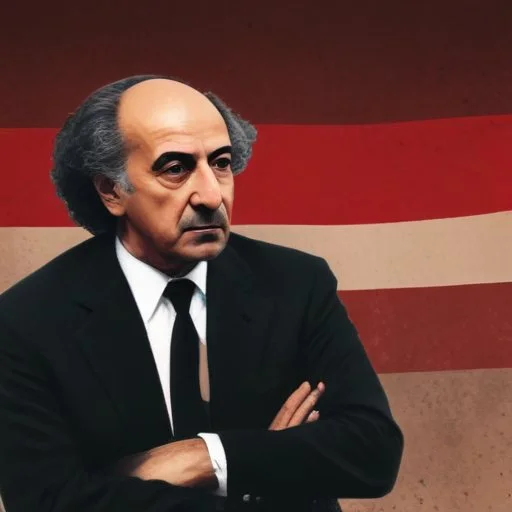
Rich Geopolitical Insight
Syria's Gambit: A Geopolitical Context
The assassination of Kamal Jumblatt must be viewed within the broader geopolitical context of the Middle East during the 1970s. Syria, under the leadership of Hafez al-Assad, was seeking to expand its influence in the region, particularly in Lebanon. The Syrian government had long been suspicious of Jumblatt's nationalist movement and saw him as a potential threat to its interests.
The Syrian occupation of Lebanon, which began in 1976, was a critical factor in the Lebanese Civil War. The presence of Syrian troops on Lebanese soil created tensions with Israel, which viewed the deployment as a threat to its own security. This complex web of alliances and rivalries set the stage for the devastating conflict that would engulf Lebanon for 15 years.

Comprehensive Character Portrait
Kamal Jumblatt: A Complex and Charismatic Leader
Kamal Jumblatt's life was a testament to his unwavering commitment to the cause of Lebanese independence. Born into a prominent Druze family, Jumblatt was raised with a strong sense of social justice and a desire to challenge the status quo.
A charismatic leader and skilled orator, Jumblatt was able to mobilize masses of people with his impassioned speeches and persuasive rhetoric. His leadership style was marked by a willingness to challenge authority and push boundaries, often taking controversial stances on key issues.
Comprehensive Economic Impact Review
The Economic Consequences of Assassination
The assassination of Kamal Jumblatt had significant economic consequences for Lebanon. The loss of a key leader and symbol of resistance weakened the antigovernment forces, leading to a shift in the balance of power in favor of the Syrian occupation.
The subsequent escalation in violence and instability led to a decline in investor confidence, a contraction in economic activity, and a rise in unemployment. The Lebanese economy, already weakened by years of conflict, was dealt a devastating blow by Jumblatt's murder.

Detailed Cultural Impact Report
A Cultural Icon: Kamal Jumblatt's Enduring Legacy
Kamal Jumblatt's assassination had a profound impact on Lebanese culture and society. His death sparked widespread outrage and mourning, with hundreds of thousands of people attending his funeral procession.
Today, Jumblatt is remembered as a champion of Lebanese independence and a symbol of resistance against oppression. His legacy continues to inspire generations of Lebanese citizens and politicians, serving as a powerful reminder of the importance of standing up for one's beliefs.
Political Influence Analysis
A Power Vacuum: Political Consequences of Assassination
The assassination of Kamal Jumblatt created a significant power vacuum in Lebanon, which was quickly filled by other leaders and factions. The loss of Jumblatt's leadership and influence weakened the antigovernment forces, allowing the Syrian occupation to consolidate its power.
The subsequent political maneuvering and jockeying for power led to increased tensions and conflict, ultimately contributing to the prolongation of the Lebanese Civil War.


