


On a sweltering summer night in Atlanta, Georgia, the world watched in horror as a pipe bomb ripped through Centennial Olympic Park, a vibrant hub of activity during the 1996 Summer Olympics. The devastating explosion, which occurred on July 27, 1996, would forever be etched in the memories of athletes, spectators, and officials alike, leaving two people dead and over 100 injured.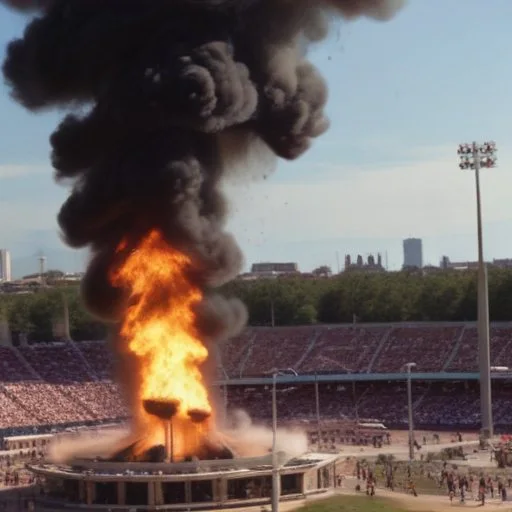
Centennial Olympic Park, a 21-acre oasis built to celebrate the Olympic spirit, was supposed to be a symbol of unity and joy. Instead, it became a scene of utter chaos and terror. The blast, which occurred at approximately 1:00 a.m., sent shrapnel flying in all directions, striking fear into the hearts of everyone in the vicinity. Panic set in as people scrambled to flee the area, unsure of what was happening or where to go.
In the midst of the mayhem, one security guard's bravery would prove instrumental in saving countless lives. Richard Jewell, a vigilant and quick-thinking individual, discovered the suspicious backpack containing the bomb and immediately sprang into action. His selfless efforts to clear the area ensured that many more lives were not lost that fateful night.
The Federal Bureau of Investigation (FBI) launched a comprehensive investigation into the bombing, sifting through evidence and eyewitness accounts to piece together the events of that night. The probe would eventually lead them to Eric Rudolph, a domestic terrorist who would confess to the heinous crime in 2005.
The Centennial Olympic Park bombing had far-reaching consequences, both immediate and long-term. The games themselves were put on hold for a day as a mark of respect for the victims, and security measures were beefed up across the city. In the years that followed, the incident would become a rallying cry for counter-terrorism efforts in the United States.
As the city of Atlanta and the global community rallied around the victims and their families, a message of hope and resilience emerged. The Olympic spirit, though shaken, refused to be extinguished. The 1996 Summer Olympics would go on to conclude with a sense of defiance and solidarity, a testament to the power of humanity in the face of adversity.
The Centennial Olympic Park bombing served as a harsh reminder of the threats that lurk in the shadows of global events. It forced a reckoning with security protocols and emergency response measures, leading to a significant overhaul of safety procedures at large gatherings. The incident also sparked a renewed sense of patriotism and community in Atlanta, as the city came together to heal and rebuild.
In the end, the Centennial Olympic Park bombing would be remembered not only for the tragedy it unleashed but also for the heroism, bravery, and resilience that defined the human spirit in the face of terror.
Richard Jewell, the security guard who discovered the bomb, was a quiet and unassuming figure who rose to the occasion on that fateful night. Born on December 17, 1950, in Danville, Virginia, Jewell was a humble and dedicated individual who took his job seriously.
In the aftermath of the bombing, Jewell's bravery was initially met with suspicion, and he was even briefly considered a suspect by the FBI. However, as the investigation unfolded, Jewell's heroism was vindicated, and he was hailed as a hero.
Jewell's actions that night saved countless lives, and his selflessness in the face of danger inspired a nation. Despite the challenges he faced in the years that followed, Jewell remained humble and continued to live a life of service, leaving behind a legacy of courage and dedication.

The Centennial Olympic Park bombing served as a wake-up call for Olympic officials, highlighting the need for enhanced security measures at global sporting events. In the years that followed, Olympic security protocols underwent a significant overhaul, with officials drawing valuable lessons from the Atlanta experience.
A comparison of security measures at the 1996 Summer Olympics and subsequent Games reveals a marked increase in security expenditure, personnel, and technology. The 2000 Summer Olympics in Sydney, for instance, saw a significant increase in security personnel, with over 5,000 personnel deployed to ensure spectator safety.
The 2012 Summer Olympics in London took security to new heights, with a comprehensive network of CCTV cameras, biometric identification systems, and advanced threat assessment protocols. The International Olympic Committee (IOC) has continued to refine its security protocols, incorporating lessons learned from past events to ensure the safety of athletes, officials, and spectators alike.
The Centennial Olympic Park bombing had a profound impact on the cultural fabric of Atlanta and beyond. The event sparked a renewed sense of community and patriotism in the city, as residents came together to support the victims and their families.
The bombing also had a significant impact on the music industry, with U2's song "One" becoming an unofficial anthem for the victims and their families. The song was played at numerous benefit concerts and fundraisers, raising millions of dollars for the victims and their families.
In the years that followed, the Centennial Olympic Park bombing inspired a range of artistic works, from documentary films to literary novels. The event has become an integral part of American cultural history, serving as a powerful reminder of the importance of community and resilience in the face of adversity.

The Centennial Olympic Park bombing had a significant economic impact on the city of Atlanta and the state of Georgia. The event led to a decline in tourism, with many visitors cancelling their trips to the city in the aftermath of the bombing.
The bombing also had a profound impact on local businesses, with many vendors and retailers experiencing a significant decline in sales. However, the city's resilience and determination to rebuild led to a surge in investment and redevelopment in the years that followed.
The Olympic Games themselves generated significant revenue for the city, with estimates suggesting that the event brought in over $5 billion in revenue. The bombing highlighted the importance of disaster preparedness and emergency response planning, leading to significant investments in these areas in the years that followed.
The Centennial Olympic Park bombing occurred against a backdrop of rising tensions and geopolitical instability. The 1990s saw a significant increase in global terrorism, with events like the Oklahoma City bombing and the Tokyo subway sarin attack highlighting the threat posed by domestic and international terrorist organizations.
The bombing also took place during a period of significant social and political change in the United States, with the Clinton administration facing criticism for its handling of domestic terrorism. The event led to calls for increased security measures and a renewed focus on counter-terrorism efforts.
In the years that followed, the War on Terror would become a dominant theme in international relations, with the United States launching military campaigns in Afghanistan and Iraq. The Centennial Olympic Park bombing served as a catalyst for this shift, highlighting the need for coordinated international efforts to combat terrorism.