


In 1992, a landmark court case, Mabo v Queensland No 2, revolutionized the lives of Indigenous Australians, recognizing their rights to their traditional lands and overthrowing the centuries-old notion of terra nullius, which declared the land empty and available for the taking. This monumental win paved the way for the Native Title Act of 1993, empowering Indigenous communities to reclaim their heritage and connection to the land.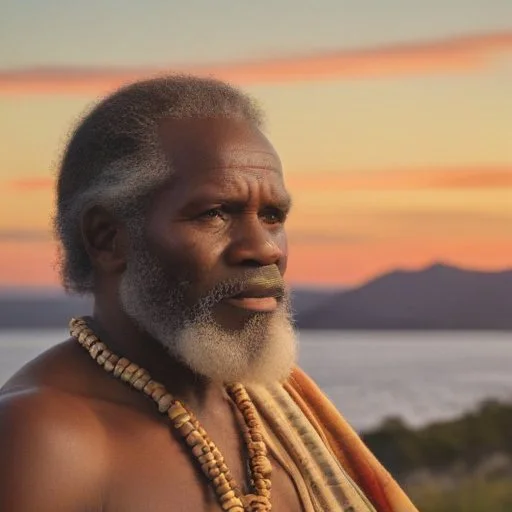
The story of Eddie Mabo, a Torres Strait Islander, is one of courage and perseverance. Growing up, Mabo witnessed firsthand the injustices faced by his community, forced to adapt to a foreign culture and denied their ancestral land. In the 1980s, Mabo, along with four other plaintiffs, took on the Queensland government, determined to challenge the long-held colonial assumption of terra nullius.
The Mabo v Queensland No 2 case and the subsequent Native Title Act have had a profound impact on Indigenous Australians. The recognition of land rights has:
The Mabo v Queensland No 2 case has had a lasting impact on Australian society and culture. It has:
While the Mabo v Queensland No 2 case was a landmark victory, it was not without its controversies. Some argued that the recognition of Indigenous land rights would lead to uncertainty and conflict over land use. However, the case ultimately paved the way for reconciliation and recognition of Indigenous Australians' rights as the traditional owners of the land.
"I want my people to be free, to be able to live their lives as they want to live them, without being dictated to by another culture." - Eddie Mabo
Eddie Mabo's story is one of courage and perseverance. His determination to challenge the colonial assumption of terra nullius has inspired generations of Indigenous Australians to fight for their rights and preserve their cultural heritage.
The Mabo v Queensland No 2 case has had a lasting impact on Australian history and society. It has paved the way for:
The Mabo v Queensland No 2 case is a testament to the power of determination and perseverance. It serves as a reminder of the importance of recognizing and respecting the rights of Indigenous Australians, and the ongoing journey towards reconciliation and recognition.
The Mabo v Queensland No 2 case has been subject to various historiographical perspectives. Some historians have viewed the case as a turning point in Australian history, marking a shift from the colonial era to a more inclusive and reconciliatory approach. Others have argued that the case was a culmination of decades of Indigenous activism and resistance, rather than a single event that sparked change.
Another perspective is that the case was a result of the convergence of several factors, including the growing awareness of Indigenous rights, the changing political landscape, and the increasing importance of human rights in international law. This view highlights the complexity of the case and the multiple factors that contributed to its outcome.

The Mabo v Queensland No 2 case has had a profound cultural impact on Australian society. The recognition of Indigenous land rights has led to a greater understanding and appreciation of Indigenous culture and traditional practices. It has also inspired a new generation of Indigenous Australians to reclaim their heritage and preserve their cultural identity.
The case has also had an impact on non-Indigenous Australians, raising awareness about the historical injustices faced by Indigenous Australians and promoting a sense of reconciliation and responsibility. The case has also inspired a shift in public perception, with many Australians now acknowledging the importance of Indigenous rights and self-determination.
Bryan Keon-Cohen, the lawyer who represented Eddie Mabo and the other plaintiffs, played a crucial role in the Mabo v Queensland No 2 case. Keon-Cohen's expertise in land rights and his passion for Indigenous justice made him an ideal advocate for the plaintiffs.
Keon-Cohen's work on the case went beyond the courtroom, as he also worked closely with Indigenous communities and organizations to raise awareness about land rights and promote Indigenous self-determination. His commitment to the cause has been recognized with several awards and honors, including the prestigious Australian Human Rights Award.

The concept of terra nullius, or "empty land," was first used by European colonizers to justify their occupation of Indigenous lands. This concept was based on the idea that the land was uninhabited and unused, and that the Indigenous peoples did not have a settled agriculture or a concept of private property.
The use of terra nullius as a legal concept was first challenged in the 1970s, when Indigenous Australians began to assert their rights to their traditional lands. The concept was eventually rejected by the High Court of Australia in the Mabo v Queensland No 2 case, paving the way for the recognition of Indigenous land rights.
The recognition of Indigenous land rights has had a significant environmental impact on Australian ecosystems. Many Indigenous communities have traditional practices and knowledge that are essential for maintaining the health and biodiversity of their lands.
The Native Title Act has enabled Indigenous communities to negotiate with governments and companies over land use and development, ensuring that their environmental concerns are taken into account. This has led to more sustainable and environmentally-friendly practices, such as traditional burning and land management techniques.