


In the annals of Icelandic history, few events have left an indelible mark like the Flateyri avalanche, which on a fateful winter morning, razed 29 homes, buried 45 people under its snow-laden fury, and claimed the lives of 20 innocent villagers.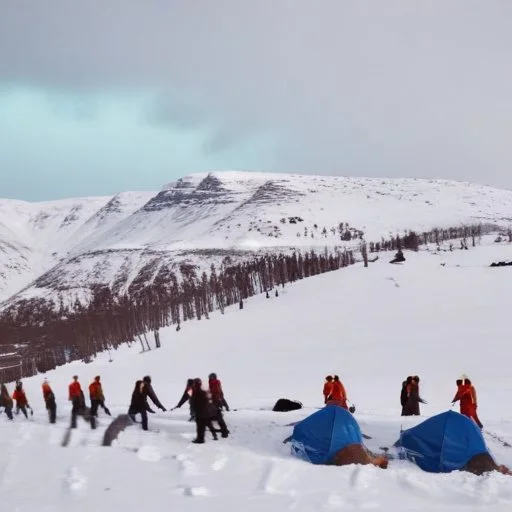
Flateyri, a quaint Icelandic village nestled in the heart of the Westfjords region, was known for its breathtaking scenery and tranquil atmosphere. The village's proximity to the snow-capped mountains made it a haven for winter sports enthusiasts, but on that ill-fated day, the mountains turned against the villagers, unleashing a force of nature that would change the course of their lives forever.
On that morning, a sense of unease settled over the village as the residents awakened to the ominous sound of snow rumbling down the mountainside. The roar of the avalanche grew louder, and before anyone could react, the massive wall of snow came crashing down, sweeping away everything in its path. The village was thrown into chaos as the residents scrambled to safety, only to find that 29 homes lay in ruins, and 45 people were trapped beneath the snow.
The rescue teams sprang into action, battling against the clock to dig out the survivors. As the hours ticked by, the reality of the disaster unfolded: 20 lives had been lost, and the village was left to mourn the loss of its loved ones. The survivors were left to pick up the pieces, struggling to rebuild their shattered community and come to terms with the trauma they had endured.
In the aftermath of the disaster, an investigation was launched to determine the cause of the avalanche. The findings revealed that a combination of heavy snowfall, strong winds, and unstable slopes had created the perfect storm, culminating in the deadly avalanche. The villagers, however, were not deterred, and with the help of the Icelandic government, they set about rebuilding their community, stronger and more resilient than before.
The Flateyri avalanche serves as a poignant reminder of the power of nature and the importance of preparedness in the face of natural disasters. The tragedy led to a overhaul of Iceland's avalanche warning systems and emergency response protocols, ensuring that such a disaster would never occur again. Today, the village of Flateyri stands as a testament to the strength and resilience of the Icelandic people, a beacon of hope in the face of adversity.
In the years that followed, the village of Flateyri slowly rebuilt, but the memory of that fateful winter morning would remain etched in the minds of the villagers, a poignant reminder of the fragility of life and the power of nature.
The Flateyri avalanche had a profound impact on Icelandic culture, particularly in the Westfjords region. The tragedy led to a reevaluation of the country's disaster preparedness and response, with a greater emphasis on avalanche safety and emergency planning. In the years following the disaster, the Icelandic government invested heavily in avalanche research and warning systems, ensuring that such a tragedy would never occur again.
The avalanche also had a significant impact on the local community, with many residents experiencing trauma and PTSD in the aftermath of the event. The tragedy brought the community together, with many residents coming forward to share their stories and support one another in the healing process.
Today, the village of Flateyri serves as a symbol of resilience and strength in the face of adversity, with the avalanche memorial serving as a poignant reminder of the power of nature and the importance of community.

The Flateyri avalanche had a significant economic impact on the village and the surrounding region. The disaster resulted in the destruction of 29 homes and several businesses, leaving many residents without a place to live or work. The cost of rebuilding and recovering from the disaster was substantial, with estimates suggesting that the total cost exceeded 1 billion ISK.
The Icelandic government provided critical support to the villagers, offering financial assistance and resources to help with the rebuilding process. The disaster also led to an increase in tourism to the region, as visitors began to flock to the area to pay their respects to the victims and learn more about the tragedy.
Today, the village of Flateyri has largely recovered from the economic impacts of the disaster, with many new businesses and homes having been built in the years since. However, the memory of the avalanche remains a sensitive topic for many residents, and a reminder of the importance of disaster preparedness and planning.
The Flateyri avalanche occurred during a time of significant geopolitical change in Iceland. The country was in the midst of rapid modernization, with many rural communities like Flateyri struggling to adapt to the changing economic and social landscape.
The disaster highlighted the need for greater investment in rural infrastructure and disaster preparedness, particularly in regions prone to natural disasters like avalanches. The Icelandic government's response to the disaster was seen as a test of its commitment to rural communities and its ability to respond to crisis situations.
In the years following the disaster, the government implemented a range of initiatives aimed at improving rural infrastructure and promoting sustainable development in rural areas. The Flateyri avalanche served as a catalyst for this change, highlighting the need for greater investment in these communities.
One of the most significant artifacts from the Flateyri avalanche is the Avalanche Memorial, which was erected in the village in 1996. The memorial features a large stone monument, inscribed with the names of the victims and a poem written by Icelandic poet, Jónas Hallgrímsson.
The memorial serves as a poignant reminder of the tragedy and its impact on the community. It is also a testament to the strength and resilience of the Icelandic people, who came together to support one another in the aftermath of the disaster.
In addition to the memorial, there are several other artifacts and documents related to the Flateyri avalanche, including photographs, videos, and personal accounts from survivors and rescue workers. These artifacts provide a unique window into the events surrounding the disaster and its impact on the community.
The Flateyri avalanche led to significant social change in the village and surrounding region. The disaster brought the community together, with many residents coming forward to support one another in the aftermath of the tragedy.
The disaster also led to an increase in community-led initiatives and organizations, focused on promoting disaster preparedness and response. The Flateyri Avalanche Committee, established in the aftermath of the disaster, played a critical role in coordinating rescue efforts and providing support to survivors.
In the years following the disaster, the village of Flateyri underwent a significant transformation, with new community facilities and services being established. The disaster highlighted the importance of community and social connections in times of crisis, and led to a greater sense of cohesion and collective responsibility in the village.