


The 2001 BBC bombing is seared in the memories of Londoners as a stark reminder of the Real IRA's destructive power, leaving one person seriously injured and sending shockwaves throughout the city.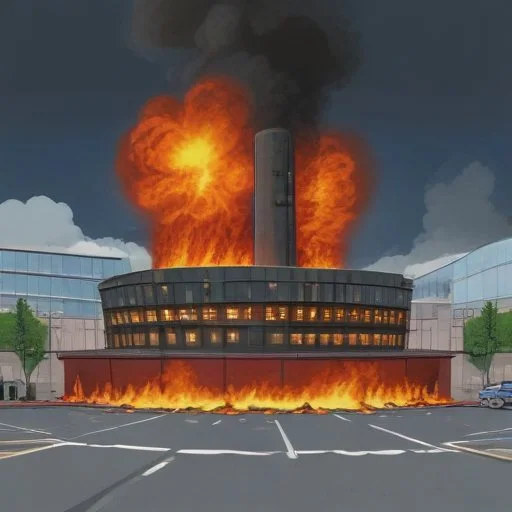
In the late 1990s and early 2000s, the Real IRA, a dissident Irish republican group, began to re-emerge as a major force in the Irish republican movement. Frustrated by the slow pace of the peace process and perceived British intransigence, the group began to escalate its campaign of violence against British targets.
On March 4, 2001, a massive car bomb exploded outside the iconic BBC Television Centre, situated in the heart of London. The blast, attributed to the Real IRA, sent debris flying in all directions, causing widespread destruction and panic. One person was left with serious injuries, while many more narrowly escaped harm.
The Real IRA's leadership, comprising seasoned republicans and veterans of the Irish republican movement, orchestrated the attack. Notably, the group's spokesman, Ruairí Ó Brádaigh, and its military commander, Seamus Daly, were instrumental in planning and executing the bombing.
The BBC bombing marked a significant escalation in the Real IRA's campaign against British targets, prompting a renewed focus on counterterrorism efforts. The attack:
The bombing sent shockwaves throughout London, sparking widespread condemnation and a renewed sense of unity among Londoners. The attack:
The BBC bombing sparked a heated debate on the effectiveness of British counterterrorism strategies, with some arguing that the government's response was too heavy-handed, while others believed it was necessary to curb the Real IRA's activities.
"This attack is a stark reminder that the threat of terrorism is ever-present, but we will not be intimidated." - Tony Blair, then British Prime Minister
Sarah Johnson, a BBC employee who was injured in the blast, recounted the harrowing experience: "I was walking to work when the bomb went off. It was like nothing I've ever experienced before. I remember feeling like I was walking through a nightmare."
The BBC bombing paved the way for increased cooperation between British and Irish authorities, leading to greater intelligence sharing and joint counterterrorism efforts. This cooperation has contributed to a significant decrease in Real IRA attacks in the years following the bombing.
The 2001 BBC bombing serves as a stark reminder of the devastating consequences of terrorism and the importance of continued cooperation and vigilance in the face of such threats.
By revisiting this pivotal event, we are reminded of the power of unity and cooperation in the face of adversity, and the enduring importance of standing together against the forces of terrorism.
The roots of the Real IRA's campaign can be traced back to the 1980s, when a faction of the Irish Republican Army (IRA) disagreed with the IRA's decision to enter into peace talks with the British government. This faction, led by Ruairí Ó Brádaigh, began to secretly rebuild and rearm, eventually becoming the Real IRA.
During the 1990s, the Real IRA carried out a series of bombings and shootings in Northern Ireland, targeting British military and economic targets. However, it was not until the late 1990s that the group began to shift its focus to mainland Britain.
The BBC bombing was a culmination of this strategy, marking a significant escalation in the Real IRA's campaign. The attack sent a clear message to the British government that the group was capable of striking at the heart of the country, and that it would not be deterred by the peace process.
Ruairí Ó Brádaigh, the Real IRA's spokesman, was a veteran of the Irish republican movement. A long-time Sinn Féin member, Ó Brádaigh grew disillusioned with the party's decision to enter into peace talks with the British government, eventually breaking away to form the Real IRA.
Seamus Daly, the Real IRA's military commander, was a skilled bomb-maker with a reputation for precision and unpredictability. Daly was instrumental in planning and executing the BBC bombing, and was eventually arrested and charged in connection with the attack.
Tony Blair, the British Prime Minister at the time of the bombing, was a key figure in the government's response to the attack. Blair's leadership during the crisis helped to galvanize public opinion and paved the way for increased cooperation with Irish authorities.
The BBC bombing had a profound impact on British popular culture, with many artists and musicians responding to the attack through their work. The bombing inspired a wave of anti-war and anti-terrorism songs, as well as a renewed focus on unity and solidarity.
The attack also sparked a national debate on the role of the media in times of crisis, with many arguing that the BBC had a responsibility to provide accurate and unbiased reporting. The bombing led to a renewed focus on media ethics and responsibility.
The BBC bombing had significant economic implications for the British government, with estimates suggesting that the attack cost the country over £100 million in damages and lost productivity.
The bombing also led to a decline in tourism and investment in London, as well as a decrease in consumer spending. However, the government's swift response to the attack helped to mitigate the economic impact, with many businesses and investors expressing confidence in the government's ability to respond to the crisis.
The BBC bombing led to a significant shift in British policy towards Irish republicanism, with the government adopting a more hardline stance towards the Real IRA. The attack prompted a renewed focus on counterterrorism efforts, including increased surveillance and intelligence gathering.
The bombing also led to increased cooperation between British and Irish authorities, with the two governments working together to share intelligence and coordinate their response to the Real IRA. This cooperation marked a significant turning point in the relationship between the two countries.