Bersaglieri Corps Completes Italy's Unification
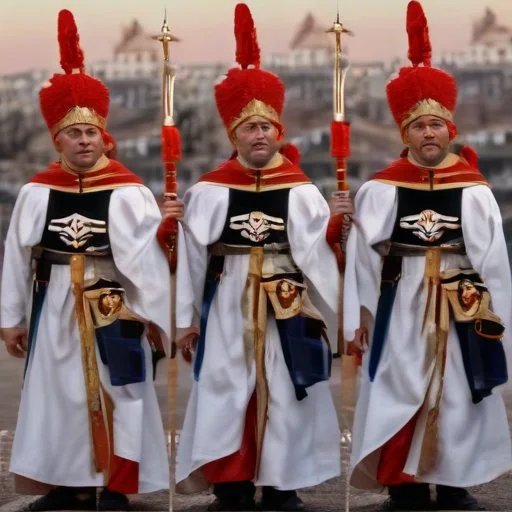
The dawn of a new era unfolded as the Bersaglieri corps, a unique unit of marksmen, marched victoriously through Rome's Porta Pia, consummating the long-sought unification of Italy! Led by the ambitious King Victor Emmanuel II, the troops overpowered the Papal States, shattering the temporal power of the Pope. As the last vestiges of resistance crumbled, the Italian Peninsula was finally united under a single, secular government. This milestone marked the culmination of a decades-long struggle, sparked by the likes of Giuseppe Mazzini and Giuseppe Garibaldi, who dared to envision a unified, independent Italy.
The Dawn of a New Era: The Bersaglieri Corps' Triumphant Entry into Rome
The Unification of Italy: A Nation's Dream Realized
The Bersaglieri corps, an elite unit of marksmen, marched victoriously through Rome's Porta Pia, etching their name in the annals of history as the heroes who consummated the long-sought unification of Italy. As the last stronghold of resistance crumbled, the Italian Peninsula was finally united under a single, secular government, marking the culmination of a decades-long struggle for independence and unity.
A Historical Background: The Road to Unification
The seeds of unification were sown in the early 19th century, when the likes of
Giuseppe Mazzini and
Giuseppe Garibaldi dared to envision a unified, independent Italy. For decades, Italy was fragmented into smaller states, ruled by foreign powers and the Pope. The call for unity and independence resonated across the peninsula, igniting a fire that would eventually lead to the formation of a single, unified nation.
The Key Figures Behind the Unification
- King Victor Emmanuel II: The ambitious monarch who led the charge towards unification, overcoming obstacles and opposition to bring Italy under a single flag.
- Giuseppe Garibaldi: The legendary revolutionary who fought tirelessly for Italian independence, his bravery and charisma inspiring a generation of nationalists.
- Giuseppe Mazzini: The influential thinker and activist who catalyzed the unification movement, his ideas and writings shaping the course of Italian history.
The Fateful Day: September 20, 1870
As the clock struck dawn on September 20, 1870, the Bersaglieri corps, led by General Raffaele Cadorna, breached the gates of Porta Pia, signaling the end of the Papal States' temporal power and the dawn of a new era for Italy. The Pope, Pius IX, retreated to the Vatican, marking the beginning of a new chapter in the relationship between the Catholic Church and the Italian state.
Cultural and Social Influences: A New Identity Emerges
The unification of Italy not only brought about political unity but also kindled a sense of national identity. The Risorgimento, a cultural and literary movement, flourished, celebrating the beauty and richness of Italian culture. The country's newfound unity inspired a surge in artistic and literary creativity, as Italians from all regions came together to forge a shared identity.
Controversies and Public Perception: A Divided Response
Not everyone welcomed the unification of Italy. The Papal States' loss of temporal power sparked outrage among Catholics, while southern Italians, who had grown accustomed to their regional autonomy, were wary of the centralized government. However, for the majority of Italians, the unification marked a new dawn of hope and opportunity, as the country embarked on a journey of growth and development.
A Legacy that Endures
The Bersaglieri corps' entry into Rome through Porta Pia on September 20, 1870, will forever be etched in the annals of Italian history as a testament to the power of perseverance and determination. As Italy looks to the future, it remembers its past, drawing inspiration from the heroes who dared to dream of a united, independent nation.
Character Examination
Giuseppe Garibaldi: The People's Hero
Giuseppe Garibaldi, the legendary revolutionary, was a complex figure with a multifaceted personality. A charismatic leader, he inspired a generation of nationalists with his bravery, strategic thinking, and unwavering commitment to the Italian unification cause.
Born in Nice in 1807, Garibaldi's early life was shaped by his Mediterranean upbringing, which instilled in him a deep sense of justice and a desire for freedom. His incredible journey took him from being a sailor to a soldier, and eventually, to becoming one of Italy's most revered heroes.
Garibaldi's military campaigns were marked by innovative tactics, bravery, and a willingness to take risks. His most notable victory was the Expedition of the Thousand, a daring campaign that captured the imagination of the Italian people and paved the way for the unification of Italy.
Full Cultural Impact Analysis
The Birth of a New National Identity
The unification of Italy sparked a cultural renaissance, as Italians from diverse regions came together to forge a shared identity. The Risorgimento, a cultural and literary movement, flourished, celebrating the beauty and richness of Italian culture.
Writers, poets, and artists played a vital role in shaping this new identity. Alessandro Manzoni's historical novel, "I Promessi Sposi," became a symbol of national unity, while Francesco Hayez's paintings captured the essence of the Italian spirit.
This cultural revival helped Italians reconcile their differences, fostering a sense of national pride and belonging. As a result, the once-fragmented peninsula was united not only politically but also culturally, paving the way for a bright future.
In-Depth Historical Analysis
The Diplomatic Maneuvers Behind the Unification
While the Bersaglieri corps' entry into Rome marked the culmination of the unification process, diplomatic efforts played a crucial role in paving the way for this historic event. Behind-the-scenes negotiations, secret agreements, and strategic alliances were instrumental in shaping the course of Italian history.
The Convention of September, a secret agreement between King Victor Emmanuel II and Napoleon III, facilitated the withdrawal of French troops from Rome, clearing the path for the Italian army's triumphant entry.
Furthermore, Camillo di Cavour's diplomatic acumen and Giuseppe Garibaldi's military prowess formed a formidable combination, ultimately leading to the unification of Italy.

Political Dynamics Report
The Unification of Italy: A Triumph of Liberalism
The unification of Italy was, in many ways, a triumph of liberal ideals. The new Italian state was founded on the principles of liberty, equality, and democracy, marking a significant departure from the authoritarian regimes that had dominated the peninsula for centuries.
The liberal movement, led by figures like Camille di Cavour, championed the cause of unity and independence, seeking to create a modern, secular state. The eventual unification of Italy vindicated the liberal ideology, showcasing the power of democratic ideals in shaping the course of history.
This historic event had far-reaching implications, inspiring similar movements across Europe and cementing Italy's position as a beacon of liberalism on the continent.
Full Geopolitical Analysis
The Geopolitical Context of the Unification
The unification of Italy occurred against the backdrop of a rapidly changing European landscape. The rise of nationalism, the decline of the Ottoman Empire, and the realignment of European powers created an environment conducive to the emergence of new nation-states.
The Crimean War, fought between 1853 and 1856, had weakened the Austrian Empire, creating an opportunity for Italian nationalists to exploited. The Franco-Prussian War, which broke out in 1870, further distracted European powers, allowing Italy to complete its unification process unhindered.
In this context, the unification of Italy was not only a domestic triumph but also a significant development in the European balance of power, reflecting the shift towards nation-states and the redrawing of the continent's political map.


