


The Bhopal disaster, one of the worst industrial catastrophes in human history, will be forever etched in the minds of people around the world. On a fateful night in December 1984, a devastating gas leak from a Union Carbide pesticide plant in Bhopal, India, claimed thousands of lives and left a lasting scar on the city and its people.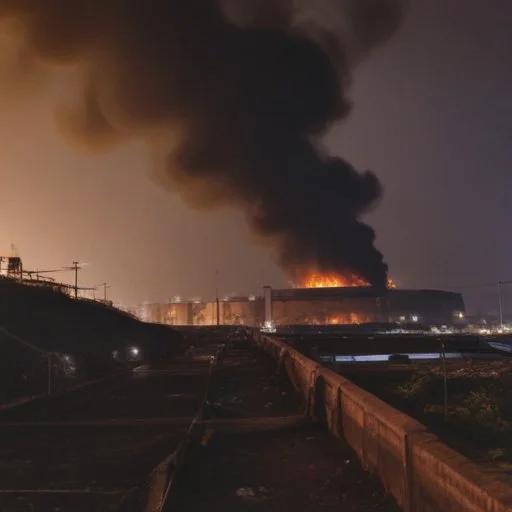
The night of December 2, 1984, was like any other in the bustling city of Bhopal. But little did the residents of the surrounding slums know that a silent killer was lurking in the shadows. A neglected storage tank at the Union Carbide plant ruptured, releasing 40 tons of deadly methyl isocyanate gas into the air. The toxic cloud spread rapidly, catching sleeping residents off guard and sending panic waves throughout the city.
The consequences of the gas leak were devastating. The official death toll stood at 3,800, but estimates suggest that the actual number of fatalities was much higher. Over 150,000 people were injured, with 6,000 eventually succumbing to their injuries. The survivors were left to pick up the pieces of their shattered lives, grappling with permanent health problems and emotional trauma.
The Union Carbide Corporation, an American multinational, was at the center of the controversy. The company's negligence and cost-cutting measures had created a ticking time bomb in the form of the neglected storage tank. The tragic events of that night were a stark reminder of the importance of corporate responsibility and accountability.
The Bhopal disaster sparked widespread outrage and protests, with demands for justice and compensation for the victims and their families. The Indian government was criticized for its handling of the crisis, and Union Carbide's CEO, Warren Anderson, was accused of criminal negligence. The disaster led to a significant overhaul of safety regulations in India and around the world, with companies forced to re-examine their priorities and practices.
The Bhopal disaster has left an indelible mark on the city and its people. The event has become synonymous with industrial negligence and the importance of prioritizing safety and human life. The disaster has also inspired a new generation of activists and environmentalists, who continue to fight for justice and accountability.
As we reflect on the Bhopal disaster, we remember the thousands of lives lost and the countless families affected. We honor their memory by continuing to push for a safer, more responsible world, where industries prioritize people over profits.
Historical Context of Industrial Disasters
The Bhopal disaster was not an isolated incident, but rather a culmination of a series of industrial accidents and neglect that had been occurring for decades. The 1970s and 1980s saw a rise in industrial disasters, with major incidents at Three Mile Island, Seveso, and Chernobyl, among others. These events highlighted the need for stricter safety regulations and greater corporate accountability.
The Bhopal disaster, however, stood out due to its sheer scale and devastating consequences. It served as a wake-up call for governments and industries worldwide, prompting a major overhaul of safety protocols and emergency response systems.
Today, the Bhopal disaster remains a crucial lesson in the importance of prioritizing safety and human life in the pursuit of industrial progress.

Warren Anderson: The Face of Corporate Negligence
Warren Anderson, the CEO of Union Carbide Corporation at the time of the Bhopal disaster, became the face of corporate negligence and greed. His company's cost-cutting measures and disregard for safety protocols led to one of the worst industrial disasters in history.
Despite the severity of the tragedy, Anderson was never extradited to India to face trial. He fled the country and remained in the United States, where he lived a life of relative anonymity until his death in 2014.
Anderson's legacy serves as a reminder of the need for greater accountability among corporate leaders and the importance of prioritizing human life over profits.
Environmental Impact of the Bhopal Disaster
The Bhopal disaster was not only a human tragedy but also an environmental catastrophe. The toxic gas leak contaminated the soil, water, and air, causing long-term damage to the local ecosystem.
The affected area, known as the "Union Carbide abandonment," remains contaminated to this day, with high levels of heavy metals and toxic chemicals still present in the soil and water.
The disaster highlighted the importance of environmentally responsible practices in industrial operations and the need for robust regulations to prevent such tragedies from occurring in the future.

The Technological Failure Behind the Bhopal Disaster
The Bhopal disaster was a technological failure of monumental proportions. The neglected storage tank, designed to hold methyl isocyanate gas, was a ticking time bomb waiting to unleash its deadly contents.
The disaster was attributed to a combination of design flaws, human error, and inadequate safety measures. The tragedy led to a major overhaul of safety protocols in the chemical industry, including the development of more robust safety procedures and emergency response systems.
The incident served as a wake-up call for the industry, highlighting the importance of investing in safety research and development to prevent such disasters from occurring in the future.
The Cultural Impact of the Bhopal Disaster
The Bhopal disaster had a profound cultural impact on the people of India and beyond. The tragedy became a symbol of corporate greed and negligence, sparking widespread outrage and protests.
The disaster also inspired a new generation of activists and environmentalists, who continue to fight for justice and accountability. The incident has been the subject of numerous documentaries, films, and books, ensuring that the memory of the victims and the lessons learned from the tragedy are not forgotten.
The Bhopal disaster has become an important cultural touchstone, serving as a reminder of the importance of prioritizing human life and the environment in the pursuit of industrial progress.