


The Bibliotheca Alexandrina, a gleaming testament to human ingenuity, revives the storied legacy of the ancient Library of Alexandria, once the cradle of knowledge and learning. This ambitious project, launched in 2002, is more than a tribute to the past – it's a beacon of intellectual freedom and a shining example of Egypt's commitment to preserving the world's cultural heritage.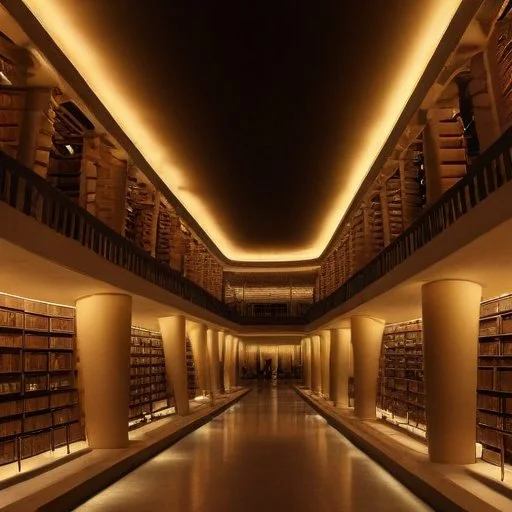
The Bibliotheca Alexandrina, designed by Norwegian architecture firm Snøhetta, is a marvel of modern architecture, boasting a striking disc-shaped design that seems to defy gravity. This majestic edifice, spread across 85,000 square meters, houses an astonishing array of resources:
The original Library of Alexandria, founded in the 3rd century BC, was a verdant oasis of learning, attracting scholars, philosophers, and wisdom seekers from far and wide. This iconic institution, which once housed over 500,000 volumes, was a testament to human curiosity and the pursuit of knowledge. The Bibliotheca Alexandrina proudly continues this tradition, sparking a new era of intellectual exploration and discovery.
The Bibliotheca Alexandrina is the brainchild of Egyptian President Hosni Mubarak and UNESCO Director-General Federico Mayor. This ambitious project was made possible through a collaborative effort involving:
The Bibliotheca Alexandrina is more than a repository of knowledge – it's a dynamic hub of intellectual activity, fostering collaboration and innovation. This vibrant complex:
As the Bibliotheca Alexandrina embarks on its journey to reclaim the intellectual high ground, it embodies the very essence of human progress – the eternal pursuit of knowledge, wisdom, and understanding. This magnificent edifice stands as a testament to the power of human ingenuity, a beacon illuminating the path towards a brighter, more enlightened future.
"The Bibliotheca Alexandrina is a symbol of hope and cooperation, a beacon of knowledge shining brightly in the desert." – Federico Mayor, UNESCO Director-General
"This magnificent library is a testament to the power of human ingenuity, a bridge between the past and the future." – Hosni Mubarak, Egyptian President
Federico Mayor, the former Director-General of UNESCO, was instrumental in bringing the Bibliotheca Alexandrina project to life. A renowned advocate for education and cultural heritage, Mayor's unwavering commitment to preserving humanity's collective knowledge has inspired generations of scholars and policymakers alike.
As a staunch believer in the power of education to transform societies, Mayor has dedicated his life to promoting cultural understanding, tolerance, and intellectual freedom. His leadership played a pivotal role in mobilizing international support for the Bibliotheca Alexandrina, securing crucial funding and expertise from governments, NGOs, and private donors worldwide.

The Bibliotheca Alexandrina's construction coincided with a period of significant geopolitical shifts in the Middle East. As Egypt navigated the complexities of post-Cold War international relations, the project offered an opportunity to reassert its cultural and intellectual influence on the global stage.
The Bibliotheca Alexandrina's opening in 2010 also marked a critical moment in the region's struggle for democracy and human rights. As a beacon of intellectual freedom, the library stood as a powerful symbol of resistance against authoritarianism and a testament to the enduring power of knowledge and ideas.
While the ancient Library of Alexandria and the Bibliotheca Alexandrina share a common purpose, their approaches to knowledge preservation and dissemination differ significantly. The original library, with its emphasis on papyrus scrolls and scribes, operated within the constraints of ancient technology.
In contrast, the Bibliotheca Alexandrina has leveraged modern technologies to create a digital repository of knowledge, ensuring the long-term preservation of fragile texts and providing global access to its vast collections. This comparison highlights the remarkable progress humanity has made in its pursuit of knowledge and understanding.

The Bibliotheca Alexandrina's advanced digitization facilities have revolutionized the way scholars and researchers access and engage with cultural and intellectual heritage. By harnessing cutting-edge technology, the library has created a seamless online portal, allowing users to explore its vast collections remotely.
This digital infrastructure has also enabled the library to forge strategic partnerships with institutions worldwide, fostering a global network of scholars and researchers. As a result, the Bibliotheca Alexandrina has become a hub of intellectual activity, driving innovation and collaboration across borders.
The Bibliotheca Alexandrina offers historians a unique window into the past, providing access to rare manuscripts, artifacts, and periodicals that have shaped humanity's understanding of itself. By preserving and showcasing these precious resources, the library has become a vital hub for historiographical research.
Scholars can now reexamine the historical record, challenge prevailing narratives, and reconstruct the intellectual and cultural heritage of ancient civilizations. The Bibliotheca Alexandrina's commitment to preserving the past has opened up new avenues for interdisciplinary research, reframing our understanding of human history and its complexities.