


The Dow Jones Industrial Average's (DJIA) precipitous decline of 508 points, a staggering 22% free fall, on October 19, 1987, has become synonymous with financial chaos and instability. This harrowing episode, dubbed Black Monday, sent shockwaves around the globe, shattering investor confidence and wiping out billions of dollars in a matter of hours.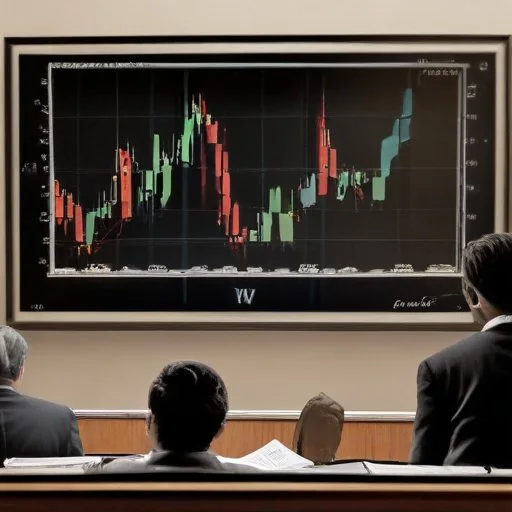
In the years leading up to Black Monday, the global economy was experiencing a period of unprecedented growth. The DJIA, a benchmark index of the US stock market, had been on a tear, rising over 40% in the first nine months of 1987 alone. However, beneath the surface, warning signs of a impending correction were beginning to emerge. Interest rates were rising, and the US budget deficit was growing, casting a long shadow over the sustainability of the economic boom.
The architects of the 1980s economic boom, including Federal Reserve Chairman Alan Greenspan and US Treasury Secretary James Baker, were caught off guard by the ferocity of the sell-off. Meanwhile, investors such as George Soros, who had been predicting a market correction, found themselves on the right side of the trade.
The aftermath of Black Monday was marked by a swift and decisive response from policymakers. The Federal Reserve intervened, injecting liquidity into the financial system to prevent a complete meltdown. In the long term, the crash led to a major overhaul of the financial regulatory landscape, including the passage of the Financial Institutions Reform, Recovery and Enforcement Act of 1989.
Black Monday had a profound impact on popular culture, symbolizing the excesses of the 1980s and the fragility of the global financial system. The crash inspired a new generation of investors to rethink their approach to risk management and portfolio construction.
In the aftermath of the crash, questions were raised about the role of computerized trading programs in amplifying the sell-off. The crisis also sparked a heated debate about the wisdom of deregulating the financial industry and the need for greater oversight.
Black Monday draws parallels with other major financial crises, including the 1929 stock market crash and the 2008 global financial crisis. While the causes and consequences of each event differ, they share a common thread - the hubris and complacency that precede a sudden and devastating loss of confidence in the financial system.
The lessons learned from Black Monday have influenced the policy response to subsequent financial crises, including the 1997 Asian financial crisis and the 2008 global financial crisis. The event has also spurred a renewed focus on financial regulatory reform and risk management.
| Date | Event |
|---|---|
| October 19, 1987 | Dow Jones Industrial Average plummets 508 points |
| 1989 | Financial Institutions Reform, Recovery and Enforcement Act is passed |
| 1997 | Asian financial crisis erupts |
| 2008 | Global financial crisis unfolds |
Did you know that the term "Black Monday" was first used to describe a financial crisis in 1869, when a gold market panic led to a sharp decline in stock prices?
As the markets opened on October 19, 1987, a perfect storm of factors converged to create the ideal conditions for a crash. The preceding weeks had seen a significant increase in stock prices, fueled by speculation and exuberance. Meanwhile, interest rates had begun to rise, and the US budget deficit was growing, casting a shadow over the sustainability of the economic boom. The stage was set for a correction, and all it took was a spark to ignite the fire.
The spark came in the form of a strengthening US dollar, which led to a surge in bond yields. As bond prices fell, investors began to sell their stocks, fearing a broader market downturn. The selling pressure built throughout the morning, and by 11:00 am, the DJIA had plummeted, triggering a trading halt. The damage had already been done, and the markets would never recover from the devastating blow.

Alan Greenspan, the Chairman of the Federal Reserve at the time of Black Monday, was a towering figure in the world of economics. A staunch advocate of free market principles, Greenspan was known for his unwavering commitment to low inflation and stable economic growth. His leadership during the crisis was instrumental in preventing a complete meltdown of the financial system.
Greenspan's response to the crisis was swift and decisive. He intervened aggressively, injecting liquidity into the system and assuring investors that the Fed would do whatever it takes to stabilize the markets. His calm and measured approach helped to restore confidence, and the markets began to recover in the ensuing weeks.
The 1929 stock market crash and Black Monday share a common thread - the hubris and complacency that precede a sudden and devastating loss of confidence in the financial system. Both events were marked by a period of rapid economic growth, fueled by speculation and excess. Both crashes were triggered by a sudden and unexpected event, which exposed the underlying weaknesses of the system.
However, there are significant differences between the two events. The 1929 crash was a more gradual process, with the market declining over several days. Black Monday, on the other hand, was a sudden and brutal crash, with the DJIA plummeting 508 points in a single day. The policy responses to the two crises also differed, with the Fed intervening aggressively in 1987 to prevent a complete meltdown of the financial system.

Black Monday had a profound impact on popular culture, symbolizing the excesses of the 1980s and the fragility of the global financial system. The crash inspired a new generation of investors to rethink their approach to risk management and portfolio construction. It also led to a renewed focus on financial regulatory reform, with policymakers seeking to prevent a similar crisis from occurring in the future.
The crash has been immortalized in popular culture, with references in films, literature, and music. It has become a symbol of the dangers of unchecked capitalism and the importance of prudent risk management. The cultural significance of Black Monday continues to be felt to this day, serving as a reminder of the importance of financial responsibility and regulatory oversight.
Black Monday was a watershed moment in the history of financial technology. The crash highlighted the importance of robust trading systems and the potential risks of automated trading programs. In the aftermath of the crash, policymakers and regulators began to re-examine the role of technology in the financial system, seeking to prevent similar crises from occurring in the future.
The crash was also a catalyst for the development of new financial technologies, including high-frequency trading systems and risk management algorithms. These technologies have transformed the financial landscape, enabling faster and more efficient trading, while also introducing new risks and challenges.