


On a fateful day in August 1988, Yellowstone National Park witnessed an unprecedented catastrophe – a blaze of unprecedented ferocity that would etch its name in the annals of history as the most destructive wildfire the park had ever seen. Dubbed Black Saturday, this calamitous event ravaged over 150,000 acres of pristine wilderness in a mere 24 hours, leaving an indelible mark on the park's ecosystem and forcing a radical re-examination of its wildfire management strategy.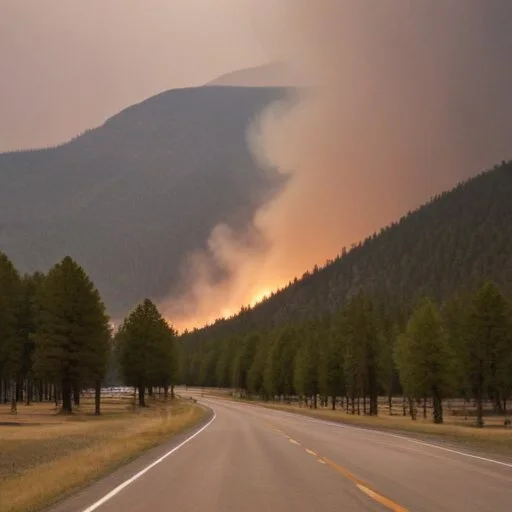
The summer of 1988 was a season of extremes in Yellowstone. Record-breaking temperatures and drought had transformed the park's lush vegetation into a tinderbox of dry fuels, waiting to be ignited by a single spark. On August 20, a combination of strong winds, lightning, and human activity converged to create the perfect storm of devastation.
In the early hours of Black Saturday, a small fire broke out in the North Fork drainage area. Fueled by the parched landscape and fanned by gusty winds, the blaze grew with terrifying speed, expanding from a mere 2,000 acres to a staggering 100,000 acres in a single day.
As the inferno raged out of control, firefighters from across the country converged on Yellowstone to combat the blaze. Despite their valiant efforts, the fire proved too intense, too fast-moving, and too capricious. It created its own weather patterns, generating towering flames that seemed to defy gravity and logic.
The sheer scale of the disaster forced the park authorities to undertake the largest evacuation in Yellowstone's history. Over 10,000 visitors and residents were hastily relocated to safer areas, as the fire threatened to engulf the park's infrastructure and natural wonders.
The aftermath of Black Saturday was a period of intense scrutiny and introspection for the park authorities. The disaster led to a major overhaul of Yellowstone's wildfire management strategy, with a renewed emphasis on proactive forest management, prescribed burning, and advanced fire detection systems.
The lessons gleaned from Black Saturday have been invaluable in shaping the park's conservation policies. The disaster highlighted the imperative of balancing human activity with environmental stewardship, and the need for a more nuanced understanding of the complex relationships between fire, climate, and ecosystems.
"The fire was like a living, breathing entity – unpredictable, capricious, and seemingly invincible. It was a humbling experience, one that taught us the importance of humility in the face of nature's fury."
— Chief Ranger, Yellowstone National Park, 1988
In the years following Black Saturday, Yellowstone National Park has undergone a remarkable transformation. The scars of the fire have healed, and new life has burst forth from the ashes. Today, the park stands as a testament to the power of resilience and the indomitable spirit of conservation.
The economic impact of Black Saturday was staggering. The fire destroyed over $300 million worth of property, infrastructure, and natural resources. The park's closure during the fire and subsequent rehabilitation efforts resulted in a significant loss of revenue from tourism, estimated to be around $100 million. Moreover, the fire led to a substantial increase in funding for wildfire management and prevention in Yellowstone, with a total of $150 million allocated for these efforts in the following years.
The fire also had a ripple effect on the local economy, with many businesses depends on tourism suffering significant losses. However, the disaster also brought in an influx of federal funding for disaster relief and recovery, which helped to stimulate the local economy.

Black Saturday had a profound impact on the cultural identity of Yellowstone National Park. The fire forced a re-examination of the park's values and priorities, with a renewed emphasis on environmental stewardship and conservation. The disaster also led to a greater awareness of the importance of wildfire management and prevention, with many park visitors and staff becoming more actively involved in these efforts.
The fire also had a significant impact on the artistic community, with many musicians, writers, and artists drawing inspiration from the disaster. The fire has been the subject of numerous songs, poems, and artworks, which have helped to raise awareness about the importance of preserving natural wonders like Yellowstone.
The environmental impact of Black Saturday was devastating, with over 150,000 acres of pristine wilderness burned. The fire destroyed entire ecosystems, including old-growth forests and habitats for many endangered species. The fire also had a significant impact on the park's water systems, with many rivers and streams affected by the fire and subsequent rehabilitation efforts.
However, the fire also had some unexpected benefits for the environment. The fire cleared the way for new growth and regeneration, with many areas of the park experiencing a surge in new plant life and biodiversity. The fire also led to a greater understanding of the importance of prescribed burning and proactive forest management, which have become essential tools in the park's conservation efforts.
In comparison to other major wildfires in the United States, Black Saturday was one of the most destructive and intense. The fire was similar in scale and severity to the 1910 Great Fire of the Inland Northwest, which burned over 3 million acres of land. However, Black Saturday was unique in its rapid spread and unpredictable behavior, with the fire jumping from 2,000 to 100,000 acres in a single day.
The fire was also similar to other major wildfires in terms of its impact on the surrounding communities and ecosystems. Like the 1991 Oakland Hills fire, which destroyed thousands of homes and businesses, Black Saturday had a devastating impact on the local economy and environment.
One of the most critical factors that contributed to the severity of Black Saturday was the prolonged drought and hot weather that preceded the fire. The summer of 1988 was one of the driest on record, with temperatures reaching record highs in July and August. This created a tinderbox of dry fuels, waiting to be ignited by a single spark.
The fire also coincided with a period of significant change in Yellowstone's history. The park was in the midst of a major rehabilitation effort, with many areas closed for construction and renovation. This led to a reduction in staff and resources available to respond to the fire, making it even more challenging to contain.