


October 29, 1929, is a day etched in history as Black Tuesday, the pivotal moment when the New York Stock Exchange (NYSE) crashed, bringing an abrupt end to the Roaring Twenties' Great Bull Market and marking the beginning of the Great Depression. This catastrophic event would have far-reaching consequences, leaving a lasting impact on the global economy and beyond.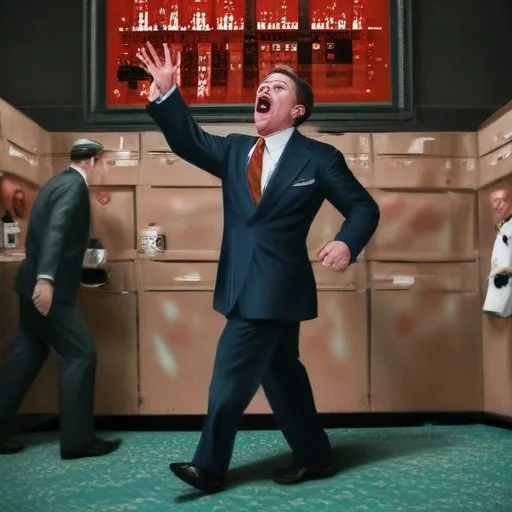
In the aftermath of World War I, the United States experienced a period of unprecedented economic growth, fueled by industrialization, technological advancements, and a surge in consumer spending. The NYSE, the hub of the American financial system, was at the forefront of this growth, with stock prices soaring and investors reaping substantial profits.
A combination of factors contributed to the collapse of the bull market. Overproduction, underconsumption, and excessive speculation created a fragile economic bubble. The widespread use of margin buying (buying stocks on credit) and the lack of effective regulations exacerbated the situation, making the system vulnerable to collapse.
The Aftermath of Black Tuesday:
The NYSE crash of 1929 had far-reaching consequences, including:
The Great Depression and Black Tuesday inspired a wave of artistic expression, as writers, musicians, and artists sought to capture the mood and sentiment of the era. Works like John Steinbeck's The Grapes of Wrath, Woody Guthrie's "This Land is Your Land," and Dorothea Lange's photography series "Migrant Mother" would go on to become iconic representations of the period.
"I think this is the most pathetic optimism I have ever seen." - Herbert Hoover, October 1929
As the world grappled with the aftermath of Black Tuesday, this quote from President Hoover would come to symbolize the era's misplaced optimism and the devastating consequences that followed.
One poignant account comes from a young investor, who, having lost everything, was seen jumping from the 14th floor of the Equitable Building in Lower Manhattan. This tragic event would become a haunting symbol of the desperation and despair that gripped the nation.
The lessons learned from Black Tuesday have had a profound impact on the development of modern economic policies and regulations. The establishment of the Securities and Exchange Commission (SEC) in 1934, for instance, was a direct response to the need for greater oversight and protection of investors.
As we reflect on this pivotal moment in history, we are reminded of the importance of responsible economic practices, effective regulation, and the need for vigilance in the face of uncertainty. The story of Black Tuesday serves as a powerful cautionary tale, one that continues to resonate with us today.
One of the most fascinating aspects of the Roaring Twenties was the rise of the flapper culture. As women gained more independence and freedom, they began to reject traditional societal norms and embrace a more liberated lifestyle. This cultural shift had a profound impact on the economy, as women started to exercise their newfound freedom by investing in the stock market and becoming more active consumers.
The flapper culture also had an influence on the fashion industry, with designers like Coco Chanel and Paul Poiret creating clothes that were more comfortable and practical for women who were becoming more active in society. This led to an increase in consumer spending, which further fueled the economic boom of the 1920s.

Jesse Livermore, a legendary stock trader, was one of the few individuals who predicted the crash of 1929. Known for his contrarian approach to investing, Livermore short sold stocks in the months leading up to the crash, making a fortune as the market plummeted.
Livermore's story serves as a fascinating counterpoint to the many investors who lost everything in the crash. His ability to read the market and make bold bets against the crowd offers a unique insight into the psychology of investing and the importance of contrarian thinking.
In contrast to the 1929 stock market crash, the Japanese asset price bubble of the late 1980s offers an interesting comparative analysis. Like the Roaring Twenties, the Japanese economy experienced a period of rapid growth and speculation, fueled by low interest rates and excessive borrowing.
However, whereas the 1929 crash was marked by a sudden and catastrophic collapse, the Japanese bubble burst more slowly, with prices gradually deflating over several years. This difference in trajectory highlights the importance of monetary policy and regulatory frameworks in mitigating the impact of economic downturns.

The Great Depression had a profound impact on American culture, leading to a shift away from the excesses of the Roaring Twenties and towards a more austere and frugal way of life. This cultural shift is reflected in the music of the time, with genres like blues and jazz becoming more popular as people sought solace in music during hard times.
The era also saw the rise of folk music, with artists like Woody Guthrie using their music as a form of social commentary and protest. Guthrie's classic song "This Land is Your Land" has become an anthem of the American working class, reflecting the sentiment of a generation that felt betrayed by the collapse of the economic system.
The 1929 stock market crash had a devastating impact on the global economy, leading to a sharp decline in international trade and a rise in protectionism. The passage of the Smoot-Hawley Tariff Act in 1930, which raised tariffs on imported goods, is often cited as a contributing factor to the worsening of the economic downturn.
The crash also led to a decline in foreign investment, as investors became increasingly risk-averse and hesitant to invest in foreign markets. This reduction in capital flows had a particularly severe impact on countries like Germany, which were heavily reliant on foreign investment to finance their economic recovery.