


On July 5, 1973, a devastating boiling liquid expanding vapor explosion (BLEVE) shook the town of Kingman, Arizona, claiming the lives of eleven brave firefighters. This catastrophic event would forever change the way emergency responders combat propane fires, serving as a painful reminder of the importance of safety protocols and emergency preparedness.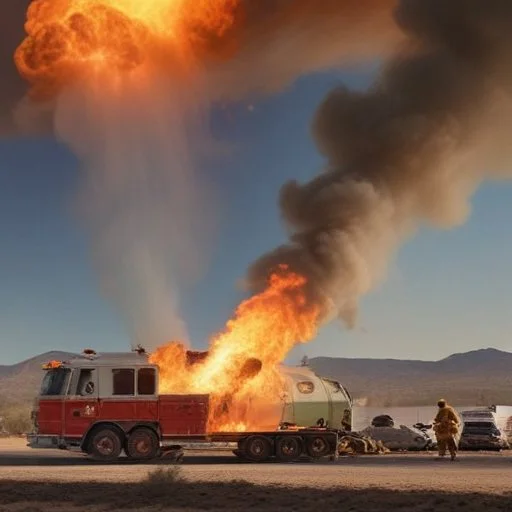
The day began like any other for the Kingman Fire Department. A call came in reporting a fire at a propane storage facility, where propane was being transferred from a railroad car to a storage tank. The firefighters rushed to the scene, expecting a routine blaze. However, as they approached the railroad car, a propane tank suddenly ruptured, unleashing a massive BLEVE.
A BLEVE occurs when a liquid, in this case propane, is heated to its boiling point, causing the pressure in the tank to build up rapidly. This pressure can become too great, leading to a catastrophic explosion. In Kingman, the BLEVE was made worse by the fact that the firefighters were in close proximity to the tank when it ruptured, leaving them with little chance of escape.
Surviving eyewitnesses described the scene as a "wall of flame" that engulfed the firefighters, incinerating them instantly. The blast was so intense that it blew out windows in nearby buildings and was felt miles away. The sheer force of the explosion left a lasting impact on the community, forever etched in the memories of those who witnessed it.
The Kingman BLEVE led to a major overhaul of safety protocols and emergency response procedures across the United States. The National Fire Protection Association (NFPA) revisited and revised its guidelines for responding to propane fires, emphasizing the importance of proper training, equipment, and safety distancing. The tragedy also sparked a national conversation about the risks faced by firefighters and the need for greater resources and support.
The Kingman BLEVE serves as a poignant reminder of the sacrifices made by firefighters and the importance of continued innovation in firefighting techniques and safety protocols. Today, firefighters across the country are better equipped to respond to propane fires, thanks in part to the lessons learned from this tragic event. As we remember the eleven brave firefighters who lost their lives in Kingman, we honor their memory by striving to make our communities safer, one response at a time.
The Kingman BLEVE claimed the lives of eleven firefighters, who will always be remembered for their bravery and sacrifice. Their names are etched in history as a testament to the dangers faced by those who serve and protect our communities:
Chief Bill Osborne was a veteran firefighter with over a decade of experience under his belt. He was known for his calm and collected demeanor, which earned him the respect of his peers. On the day of the Kingman BLEVE, he was the first to respond to the call, and his bravery would ultimately cost him his life.
Osborne's leadership played a crucial role in shaping the Kingman Fire Department into the respected unit it was. His loss was deeply felt by the community, and his memory continues to inspire future generations of firefighters.
The Kingman BLEVE sent shockwaves across the nation, sparking a national conversation about the risks faced by firefighters. The tragedy was etched into the American psyche, serving as a poignant reminder of the sacrifices made by those who serve and protect our communities.
The event also had a profound impact on popular culture, with numerous films and television shows referencing the BLEVE in their storylines. The incident has become synonymous with bravery, sacrifice, and the importance of fire safety.
The Kingman BLEVE highlighted the need for improved safety protocols and emergency response procedures. In the aftermath of the tragedy, the National Fire Protection Association (NFPA) revisited and revised its guidelines for responding to propane fires.
The incident also accelerated the development of new technologies aimed at mitigating the risks associated with propane fires. Advances in safety equipment, such as heat-resistant suits and propane detection systems, have since become standard issue for firefighters across the country.
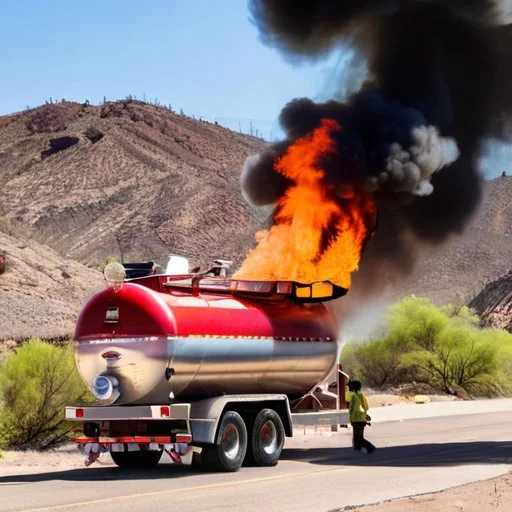
The Kingman BLEVE released a significant amount of propane into the environment, posing a potential threat to local ecosystems. Fortunately, the authorities were able to respond quickly, containing the spill and preventing widespread environmental damage.
The incident served as a wake-up call, highlighting the importance of environmental preparedness and response planning. It led to the development of more stringent regulations governing the storage and transportation of propane, reducing the risk of similar incidents in the future.
Historians have long debated the significance of the Kingman BLEVE, with some arguing that it marked a turning point in the development of firefighting strategies. Others see it as a tragic but isolated incident, highlighting the unpredictable nature of propane fires.
Regardless, the Kingman BLEVE remains an important chapter in the history of firefighting, serving as a poignant reminder of the sacrifices made by those who serve and protect our communities.