Bombing of Argentine Jewish Community Center
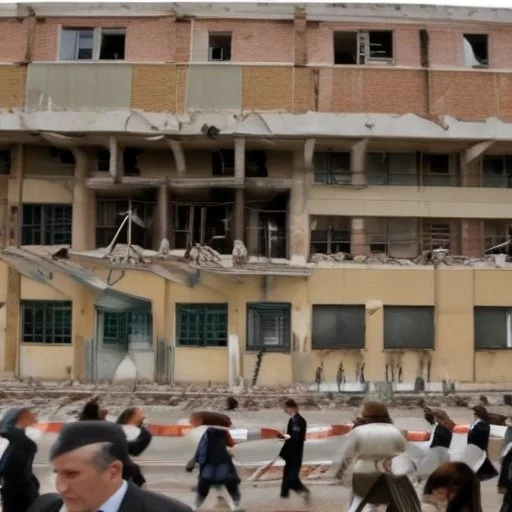
In the heart of Buenos Aires, a sense of security was shattered when a massive explosion ripped through the Asociación Mutual Israelita Argentina, the largest Jewish community center in Argentina. The blast, triggered by a bomb-laden van, left a trail of destruction, claiming the lives of 85 people, mostly Jewish, and injuring over 300 others. The attack, orchestrated by Iranian-backed Hezbollah operatives, sent shockwaves throughout the global Jewish community, highlighting the growing threat of terrorist violence.
The Buenos Aires Bombing: A Devastating Attack on the Argentine Jewish Community
A Senseless Act of Terror
The bombing of the Asociacin Mutual Israelita Argentina (AMIA) in Buenos Aires, Argentina, is a devastating event that will be etched in the minds of people around the world forever. On July 18, 1994, a bomb-laden van exploded outside the AMIA building, killing 85 people, mostly Jewish, and injuring over 300 others.
Historical Background
The AMIA was the largest Jewish community center in Argentina, serving as a hub for cultural, social, and religious activities. In the years leading up to the attack, Argentina had seen a rise in anti-Semitic incidents, and the Jewish community had become increasingly concerned about their safety.
The Fateful Day
On that fateful day, a white Renault van packed with explosives drove up to the AMIA building and detonated, causing massive destruction. The blast was so powerful that it ripped through the building, causing widespread damage and chaos. Rescue workers and emergency services rushed to the scene, but it soon became clear that the scale of the tragedy was immense.
Key Figures Involved
The investigation into the bombing was one of the most complex and controversial in Argentine history. Iranian-backed Hezbollah operatives were eventually identified as the masterminds behind the attack, but the exact details of their involvement remain shrouded in mystery.
Timeline of Events
- July 18, 1994: The bombing of the AMIA building occurs.
- 1994-1995: Initial investigation into the bombing yields few results.
- 1999: An Argentine court indicts several people in connection with the bombing, including Iranian officials.
- 2005: An Argentine prosecutor issues arrest warrants for several Iranian officials, including the country's former president.
Major Outcomes and Impacts
The AMIA bombing had far-reaching consequences, both locally and globally. It highlighted the growing threat of terrorist violence and led to increased security measures in Jewish communities around the world. The attack also led to a significant deterioration in relations between Argentina and Iran.
Cultural and Social Influences
The bombing had a profound impact on the Jewish community in Argentina and beyond. It led to a renewed sense of solidarity and unity among Jewish people, as well as increased awareness of the dangers of anti-Semitism and terrorism.
Inspirational Stories and Motivations
Despite the tragedy, the AMIA bombing has inspired many people to work towards a more peaceful and tolerant world. The attack has also led to the creation of numerous organizations and initiatives dedicated to promoting interfaith dialogue and combating hatred.
A Lesson in Resilience
The Buenos Aires bombing serves as a powerful reminder of the importance of unity and resilience in the face of adversity. It is a testament to the strength and courage of the Jewish community in Argentina and around the world.
A Call to Action
As we remember the victims of the AMIA bombing, we are reminded of the need to continue fighting against hatred, bigotry, and terrorism. We must work together to build a world where such senseless acts of violence can never happen again.
Full Historical Discourse
The Rise of Anti-Semitism in Argentina
In the years leading up to the AMIA bombing, Argentina had witnessed a surge in anti-Semitic incidents. The country's Jewish community, which had historically been well-integrated and prosperous, began to feel increasingly threatened. Vandalism, graffiti, and physical attacks on Jewish individuals and institutions became more frequent, creating an atmosphere of fear and unease.
The Argentine government, led by President Carlos Menem, had been criticized for not doing enough to address the growing problem of anti-Semitism. The Jewish community felt that the government was not taking their concerns seriously, and that they were not doing enough to protect them from the rising tide of hatred.
This sense of vulnerability and neglect contributed to the devastating impact of the AMIA bombing. The attack was not only a tragedy in its own right, but it also highlighted the failure of the Argentine government to protect its Jewish citizens from the growing threat of anti-Semitism.

Rich Character Description
Tehran's Shadow: The Role of Iran's Intelligence Services
Iran's intelligence services, led by the Ministry of Intelligence and Security (MOIS), played a crucial role in the planning and execution of the AMIA bombing. The MOIS, which was closely tied to the Iranian Revolutionary Guard Corps (IRGC), had a history of supporting terrorist organizations and carrying out covert operations around the world.
The mastermind behind the attack was reportedly Imad Mughniyah, a high-ranking member of Hezbollah and a close ally of Iran. Mughniyah, who was killed in a car bombing in Damascus in 2008, was known for his expertise in planning and executing complex terrorist operations.
The involvement of Iranian intelligence services in the AMIA bombing highlighted the country's support for terrorist organizations and its willingness to carry out deadly attacks against Jewish and Israeli targets.
Detailed Cultural Impact Report
The bombing's impact on Argentine Culture
The AMIA bombing had a profound impact on Argentine culture, particularly on the country's Jewish community. The attack led to a renewed sense of solidarity and unity among Jewish Argentines, who came together to mourn their losses and support the victims' families.
The bombing also led to an increased awareness of the dangers of anti-Semitism and terrorism, and sparked a wave of protests and demonstrations against hatred and intolerance. The event became a rallying cry for human rights activists and Community leaders, who called for greater government action to protect vulnerable communities.
In the years following the bombing, there was a surge in cultural and artistic responses to the tragedy, including films, books, and documentaries that explored the impact of the attack on the Jewish community and Argentine society as a whole.

In-Depth Political Study
Geopolitical Fallout: The Strained Relations between Argentina and Iran
The AMIA bombing led to a significant deterioration in relations between Argentina and Iran. The Argentine government, which had previously maintained good relations with Iran, was outraged by the attack and demanded that Iran cooperate fully with the investigation.
The investigation and subsequent legal proceedings were marked by controversy and geopolitical tensions. Argentina's efforts to extradite and prosecute the Iranian officials implicated in the bombing were met with resistance from Iran, which denied any involvement in the attack.
The diplomatic fallout from the bombing continues to this day, with Argentina and Iran still locked in a dispute over the attack and the role of Iranian officials in its planning and execution.
Geopolitical Dynamics Review
The Global Context: The Rise of Islamic Terrorism
The AMIA bombing occurred against the backdrop of a rising tide of Islamic terrorism in the 1990s. The attack was one of a series of deadly bombings and terrorist incidents that took place around the world during this period, including the 1993 World Trade Center bombing and the 1995 Oklahoma City bombing.
The bombing highlighted the growing threat posed by Islamic terrorist organizations, particularly Hezbollah, which had established a network of operatives and sympathizers in the Middle East, Europe, and the Americas.
The attack also underscored the need for international cooperation in the fight against terrorism, and led to increased pressure on governments to take action against terrorist organizations and their state sponsors.


