


The Munich Agreement, signed on September 30, 1938, is infamous for allowing Nazi Germany to annex the Sudetenland region of Czechoslovakia, marking a pivotal moment in the lead-up to World War II. This act of appeasement, orchestrated by Britain, France, Germany, and Italy, would prove to be a catastrophic mistake, emboldening Adolf Hitler's aggressive expansionist ambitions.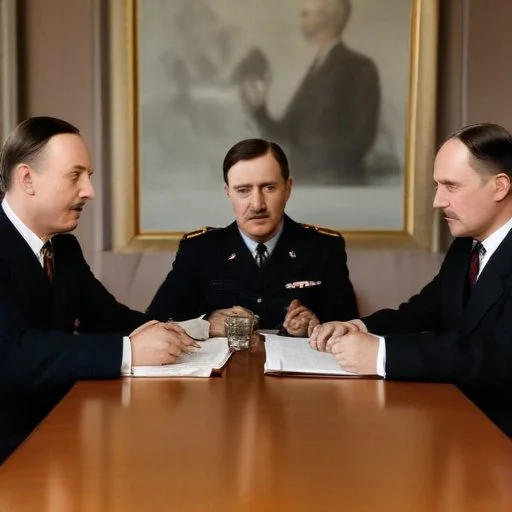
In the aftermath of World War I, the Treaty of Versailles imposed harsh penalties on Germany, leading to widespread resentment and a sense of injustice among the German people. The rise of Nazism, fueled by Hitler's charismatic leadership, sought to reclaim lost territories and restore national pride. Meanwhile, the Western powers, still reeling from the devastation of the Great War, were hesitant to engage in another conflict.
The Munich Agreement was the culmination of a series of diplomatic maneuvers, orchestrated by British Prime Minister Neville Chamberlain, who believed that yielding to Hitler's demands would satiate his ambitions and prevent further conflict. France, despite its treaty obligations to defend Czechoslovakia, ultimately acquiesced to Britain's appeasement policy. Italy, bound to Germany through the Axis alliance, played a supporting role in the negotiations. The agreement effectively legitimized Germany's annexation of the Sudetenland, leaving Czechoslovakia vulnerable to further aggression.
The Munich Agreement had far-reaching consequences, including:
The Munich Agreement had significant cultural and social implications, including:
The Munich Agreement draws parallels with other instances of appeasement, including:
The Munich Agreement serves as a cautionary tale about the dangers of appeasement and the importance of standing firm against aggression. It also highlights the bravery and resilience of those who resisted Nazism, including Czechoslovakian citizens who fought against the annexation and the brave souls who defied the Nazi regime throughout Europe.
The Munich Agreement remains a powerful symbol of the devastating consequences of appeasement and the importance of resisting aggression. As we reflect on this pivotal moment in history, we are reminded of the need for courage, conviction, and collective action in the face of tyranny and oppression.
While Neville Chamberlain and other European leaders were eager to appease Hitler, Winston Churchill stood out as a vocal critic of the Munich Agreement. Churchill, who had long warned about the dangers of Nazi Germany, believed that Britain should have taken a firmer stance against Hitler's aggression. His warnings fell on deaf ears, but his perseverance and leadership would eventually earn him the prime ministership in 1940.
Churchill's opposition to appeasement was rooted in his understanding of Hitler's true intentions. He saw the Nazi dictator as a menace who would stop at nothing to achieve his goals. Churchill's stance against appeasement made him unpopular among his colleagues, but he remained unyielding in his conviction.
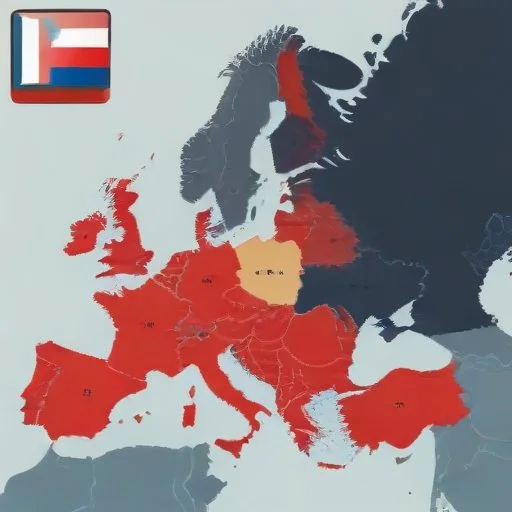
The Sudeten Crisis, which began in the spring of 1938, was sparked by the demands of the Sudeten German Party, led by Konrad Henlein, for greater autonomy within Czechoslovakia. Hitler, who had long coveted the Sudetenland, saw this as an opportunity to intervene on behalf of the German-speaking population. As tensions escalated, Britain and France pressured Czechoslovakia to yield to Hitler's demands, paving the way for the Munich Agreement.
The Sudeten Crisis marked a turning point in the lead-up to World War II. It exposed the weaknesses of the League of Nations, highlighted the divisions within Europe, and demonstrated Hitler's willingness to use military force to achieve his objectives.
The Munich Agreement and the Molotov-Ribbentrop Pact, signed in August 1939, share eerie parallels. Both agreements were motivated by a desire to avoid conflict, but ultimately emboldened aggressive powers. While the Munich Agreement allowed Germany to annex the Sudetenland, the Molotov-Ribbentrop Pact enabled the Soviet Union to annex Eastern Poland. Both agreements were marked by a lack of trust and a willingness to sacrifice the sovereignty of smaller nations.
These two events highlight the dangers of appeasement and the importance of collective security. By examining these parallel events, we gain a deeper understanding of the complexities of European politics in the 1930s and the devastating consequences of inaction in the face of aggression.
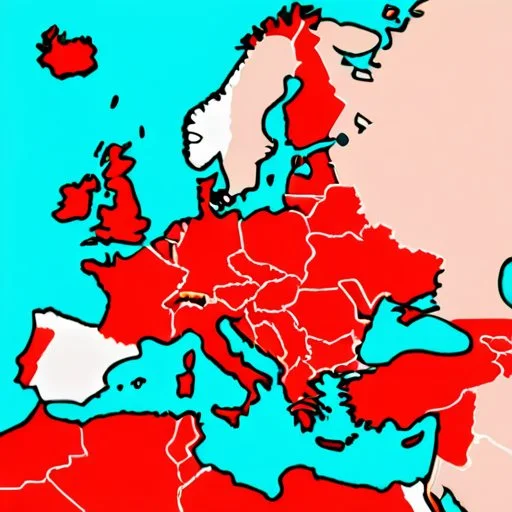
The Munich Agreement was not an isolated event, but rather the culmination of complex geopolitical factors. The Treaty of Versailles, the rise of fascist and nationalist movements, and the global economic crisis all contributed to an atmosphere of instability and uncertainty. Britain and France, still reeling from the devastation of World War I, were reluctant to engage in another conflict, while Hitler was able to capitalize on their hesitation.
The Munich Agreement must be seen within the broader context of European power dynamics. The agreement was a product of the continent's failed attempts to establish a collective security system, as well as the inability of individual nations to counterbalance Hitler's expansionist ambitions.
The Munich Agreement marked a watershed moment in the decline of diplomacy as a means of resolving international conflicts. The agreement's failure to prevent the outbreak of World War II exposed the weaknesses of traditional diplomatic approaches and paved the way for the development of new forms of international relations. The agreement's legacy can be seen in the subsequent emphasis on collective security and the creation of institutions like the United Nations.
The Munich Agreement also had significant cultural implications, as it marked a shift away from traditional diplomatic protocols and towards a more confrontational approach to international relations. The agreement's failure led to a reevaluation of diplomatic strategies and the development of new forms of international cooperation.