


On September 10, 1976, a devastating mid-air collision between a British Airways Hawker Siddeley Trident and an InexAdria DC9 occurred near Zagreb, Yugoslavia, claiming the lives of 176 people and leaving an indelible mark on the aviation industry.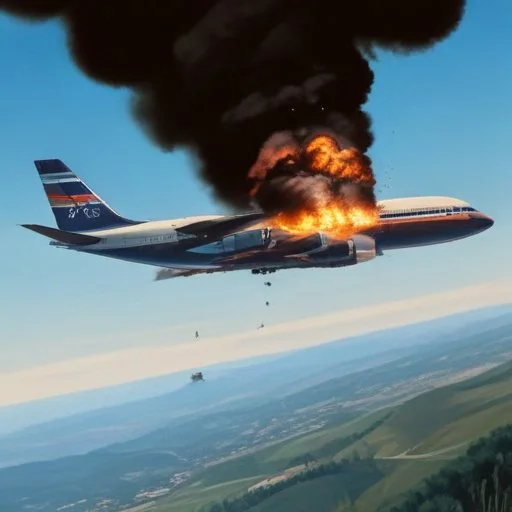
The collision, which remains the deadliest mid-air crash in history, was a wake-up call for the aviation industry, prompting a major overhaul of air traffic control procedures to prevent such a catastrophic event from happening again.
In the mid-1970s, Yugoslavia was a popular tourist destination, and the skies above Zagreb were bustling with aircraft from various airlines. On that fateful day, British Airways Flight 476, a Trident 1C, was on a routine journey from London to Istanbul, while InexAdria Flight 550, a DC-9-31, was flying from Split to Cologne.
At around 14:14 local time, the two planes collided at an altitude of 14,000 feet, just 10 miles north of Zagreb's airport. The impact was immense, causing both planes to break apart and plummet to the ground, resulting in a trail of destruction and loss of life.
The investigation into the crash revealed a combination of human error and technical failures. The Yugoslav air traffic control system was criticized for inadequate radar coverage and poor communication protocols. As a result, major changes were implemented to improve air traffic control procedures, including the introduction of more modern radar systems and stricter communication protocols.
Survivors of the crash, including those on the ground, recounted the horror of witnessing the two planes falling from the sky. One eyewitness described the scene as "apocalyptic," with debris and wreckage scattered across the countryside.
The 1976 Zagreb mid-air collision served as a catalyst for change in the aviation industry, influencing the development of safer air travel practices and procedures. The incident remains a poignant reminder of the importance of safety and vigilance in the skies.
Remembering the victims of the 1976 Zagreb mid-air collision, may their sacrifice never be forgotten.
The 1970s were a tumultuous time for air travel, with the industry still reeling from the 1973 Rome airport terrorist attack and the 1974 Turkish Airlines Fokker F28 crash. Against this backdrop of unease, the Zagreb mid-air collision served as a stark reminder of the need for improved safety protocols.
In the years preceding the tragedy, Yugoslavia had invested heavily in its air traffic control infrastructure, introducing new radar systems and expanding its air traffic control facilities. However, these measures were ultimately inadequate, and the country's air traffic control system was criticized for its lack of standardization and poor communication protocols.
The investigation into the crash revealed a complex web of factors contributing to the tragedy, including inadequate radar coverage, misunderstandings among air traffic controllers, and pilot error. The incident highlighted the need for harmonization of air traffic control procedures across Europe and prompted a major overhaul of the continent's air traffic control infrastructure.
The Zagreb mid-air collision led to a significant advancement in collision avoidance systems in commercial aircraft. In the aftermath of the tragedy, researchers and engineers worked tirelessly to develop more effective technologies to prevent similar crashes in the future.
One key innovation to emerge from this research was the development of the Traffic Collision Avoidance System (TCAS). This system, which uses radar and computer algorithms to detect other aircraft and provide warnings to pilots, has become a standard feature of commercial aircraft and has been instrumental in reducing the risk of mid-air collisions.
Captain Richard Brunton, the pilot of British Airways Flight 476, was a seasoned aviator with over 10,000 hours of flying experience. Born in 1934, Brunton had served in the Royal Air Force before joining British Airways in 1964.
Brunton was known among his colleagues for his exceptional flying skills and his calm demeanor under pressure. Despite the catastrophic circumstances of the collision, Brunton's final transmissions to air traffic control revealed a pilot deeply concerned for the safety of his passengers and crew.

The Zagreb mid-air collision had a profound impact on the cultural psyche of Yugoslavia, where air travel was increasingly becoming a symbol of modernity and progress. The tragedy served as a stark reminder of the risks and uncertainties of air travel and heightened public awareness of aviation safety.
In the aftermath of the crash, Yugoslavian artists and writers responded to the tragedy through their work, capturing the sense of shock and grief that pervaded the nation. The incident also sparked a renewed focus on safety and security in all aspects of Yugoslavian life.
The Zagreb mid-air collision had significant economic repercussions for Yugoslavia, which was forced to bear the costs of the investigation, rescue efforts, and compensation to the families of the victims. The incident also led to a decline in tourism to the region, further exacerbating the economic impact.
In the years following the crash, the Yugoslavian government invested heavily in improving air traffic control infrastructure, implementing new safety protocols, and enhancing emergency response procedures. While these measures came at a significant cost, they helped to restore public confidence in the safety of air travel and contributed to the long-term growth of the Yugoslavian economy.