


The Herald of Free Enterprise ferry disaster is one of the most devastating maritime tragedies in recent history, claiming the lives of 193 people in a mere 90 seconds. This unthinkable catastrophe occurred on March 6, 1987, when the British ferry capsized in the English Channel, leaving a trail of grief and shock in its wake.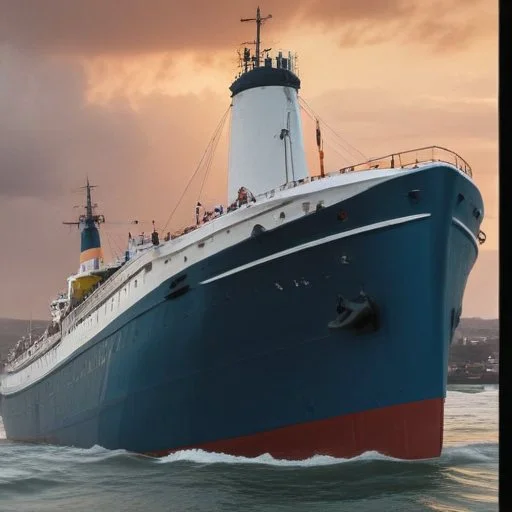
The Herald of Free Enterprise, a Townsend Thoresen ferry, was scheduled to sail from the Belgian port of Zeebrugge to Dover, England. With 459 passengers and 80 crew members on board, the ferry set off at 6:05 pm, its bow doors still open, a critical error that would prove fatal.
Within minutes, the ferry was taking on water at an alarming rate, flooding the car deck. Panic set in as passengers and crew scrambled to save themselves. The ship's speed and the open bow doors created a perfect storm, and the ferry capsized in a staggeringly short time, leaving survivors clinging to the hull or fighting to stay afloat in the icy waters.
In the aftermath of the disaster, a thorough investigation was conducted to determine the cause of the tragedy. The inquiry revealed a series of critical errors, including the failure to close the bow doors, inadequate safety procedures, and a lack of communication among the crew.
The investigation led to significant changes in maritime safety regulations, including the implementation of more stringent safety protocols and improved crew training. The tragedy also prompted a re-evaluation of ferry design, with a focus on enhanced stability and safety features.
The Herald of Free Enterprise disaster was a devastating loss of life, with 193 people perishing in the tragedy. The victims included passengers from 13 different countries, as well as crew members who had been on board.
Amidst the chaos and tragedy, there were also tales of heroism and selflessness. Crew members risked their lives to rescue passengers, and ordinary people became heroes in the face of disaster. The bravery and sacrifice of those who responded to the emergency will never be forgotten.
The Herald of Free Enterprise ferry disaster had a profound impact on the maritime industry, leading to a renewed focus on safety and a commitment to preventing such tragedies in the future. The disaster also had a lasting impact on the families of the victims and the survivors, who continue to pay tribute to those who lost their lives.
In the years following the tragedy, memorial services and commemorations have been held to honor the victims and pay respects to those who perished. The Herald of Free Enterprise ferry disaster will always be remembered as a poignant reminder of the importance of safety, vigilance, and preparedness at sea.
"The Herald of Free Enterprise disaster was a wake-up call for the maritime industry. It highlighted the importance of safety and the need for constant vigilance." - Captain John S. Lippiatt, Maritime Safety Expert
"I'll never forget the screams and cries for help as the ferry went down. It's a sound that will haunt me for the rest of my life." - Survivor's testimony
The Herald of Free Enterprise ferry disaster serves as a poignant reminder of the importance of safety at sea and the devastating consequences of human error. It is a tragedy that will never be forgotten and will continue to shape maritime safety protocols for generations to come.
The Herald of Free Enterprise ferry disaster was not the first maritime tragedy to occur in the English Channel. In fact, the channel had a history of shipwrecks and accidents dating back centuries. One of the most notable incidents was the sinking of the SS Titanic's sister ship, the SS Olympic, which collided with a warship in 1911. However, the Herald of Free Enterprise disaster was one of the most devastating in recent history, and it marked a turning point in maritime safety regulations.
The disaster led to a comprehensive review of safety procedures and protocols, not just in the UK but across the world. The International Maritime Organization (IMO) implemented new safety regulations, including the use of bow doors that could be closed from the bridge, and improved life-saving appliances.
The tragedy also had a significant impact on the ferry industry as a whole. Many ferry operators began to implement more stringent safety measures, including regular drills and training exercises, to prepare crew members for emergency situations.
One of the key figures in the Herald of Free Enterprise ferry disaster was Captain David Lewry, the ship's master. Lewry had over 20 years of experience at sea and had been with Townsend Thoresen, the ferry's operator, for over 10 years.
After the disaster, Lewry was heavily criticized for his role in the tragedy. An inquiry found that he had not ensured that the bow doors were closed before setting sail, and that he had failed to respond quickly enough to the emergency.
Despite the criticism, many who knew Lewry described him as a experienced and capable captain. He was said to be deeply affected by the tragedy and spent the rest of his life working to improve maritime safety.
The Herald of Free Enterprise ferry disaster shares some striking similarities with another major maritime tragedy, the MS Estonia ferry disaster, which occurred in 1994. Both disasters involved ferries operating in the North Sea, and both resulted in significant loss of life.
One of the key similarities between the two disasters is the role of human error. In both cases, critical mistakes were made by the crew, which ultimately led to the tragedy. In the case of the Herald of Free Enterprise, the failure to close the bow doors was a critical error, while in the case of the MS Estonia, it was the failure to secure the cargo.
Despite these similarities, there are also some significant differences between the two disasters. The MS Estonia disaster resulted in the loss of over 850 lives, making it one of the deadliest maritime disasters in history.
The Herald of Free Enterprise ferry disaster had a profound impact on the cultural landscape of the UK and beyond. The tragedy was met with widespread shock and grief, and it sparked a national debate about maritime safety.
In the aftermath of the disaster, artists and musicians responded with a range of works, from songs and albums to paintings and sculptures. The tragedy also inspired several books, including a detailed account of the disaster by journalist, Roger Flush.
The disaster also had a significant impact on the way that maritime safety was perceived and regulated. The UK government established a new agency, the Maritime and Coastguard Agency, to regulate and enforce safety standards in the industry.
The Herald of Free Enterprise ferry disaster had a significant economic impact on the UK and the global ferry industry. The disaster resulted in the loss of hundreds of lives, and it also had a major financial impact on the families of the victims.
The cost of the disaster was estimated to be in the hundreds of millions of pounds, including the cost of salvage operations, compensation for victims' families, and lost revenue for the ferry operator.
In the aftermath of the disaster, the ferry industry as a whole experienced a significant decline in passenger numbers, as many people became wary of traveling by ferry. This had a knock-on effect on the entire industry, from ferry operators to port authorities.