Federal agents clash with Branch Davidian cult in Waco, Texas
The day the ATF came knocking on the door of the Branch Davidian church, they were met with a hail of bullets. David Koresh, the charismatic leader, had been under scrutiny for child abuse and weapons violations, but he and his followers were not going down without a fight. The ensuing 51-day standoff would captivate the nation, spark intense debate, and ultimately end in tragedy. As the world watched, the FBI tried to negotiate a peaceful resolution, but Koresh's apocalyptic vision and the government's heavy-handed approach would prove a deadly mix.
The Siege of Waco: A 51-Day Standoff that Shook the Nation
A Deadly Confrontation
The Bureau of Alcohol, Tobacco and Firearms (ATF) raid on the Branch Davidian church in Waco, Texas, on February 28, 1993, will forever be etched in American history as a cautionary tale of government overreach, religious fervor, and the devastating consequences of a botched operation. The 51-day standoff that ensued would captivate the nation, spark intense debate, and ultimately claim the lives of 76 people, including 21 children.
Historical Background
The Branch Davidians, a subset of the Seventh-day Adventist Church, had been living in Mount Carmel Center, a communal property just outside Waco, since the 1930s. Led by
David Koresh, a charismatic and enigmatic figure, the group's isolated lifestyle and apocalyptic beliefs had long raised eyebrows among locals and law enforcement.
The Raid and the Standoff
On February 28, 1993, ATF agents arrived at Mount Carmel Center with a warrant to arrest Koresh on charges of child abuse and weapons violations. However, the agents were met with a hail of bullets, sparking a fierce gun battle that lasted for hours. Four ATF agents were killed, and 16 were injured. The standoff had begun.
As the days turned into weeks, the FBI took over the operation, attempting to negotiate a peaceful resolution. Koresh, convinced that the end of the world was imminent, refused to surrender, claiming that he was the only one who could unlock the secrets of the Seven Seals.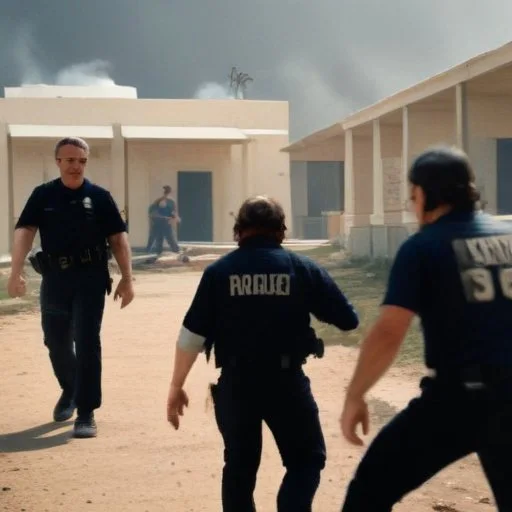
Timeline of Events
- February 28, 1993: ATF raid on Mount Carmel Center
- March 1, 1993: FBI takes over the operation
- March 2-11, 1993: FBI negotiators attempt to establish communication with Koresh
- March 12-25, 1993: Koresh begins to release children, but refuses to surrender
- April 19, 1993: FBI launches a tear gas attack on the compound, sparking a fire that engulfs the complex
- April 19, 1993: The standoff ends with the deaths of 76 people, including Koresh
Major Outcomes and Impacts
The Waco siege had far-reaching consequences for both the government and the survivors.
- The ATF and FBI were heavily criticized for their handling of the situation, leading to internal reforms and increased scrutiny of government agencies.
- The incident sparked a wave of anti-government sentiment, culminating in the Oklahoma City bombing two years later.
- The survivors, including Koresh's wife and children, were left to rebuild their lives and grapple with the trauma of the event.
Cultural and Social Influences
The Waco siege has been the subject of numerous documentaries, books, and films, including the critically acclaimed miniseries "Waco" (2018). The event has also inspired music and art, with many artists using the tragedy as a symbol of government overreach and the dangers of blind obedience.
Controversies and Public Perception
The Waco siege has sparked intense debate about government accountability, religious freedom, and the limits of law enforcement. Critics argue that the ATF and FBI mishandled the situation, while supporters claim that the agencies were justified in their actions. The incident remains a polarizing topic, with many regarding it as a cautionary tale of the dangers of unchecked power.
Inspirational Stories and Motivations
Despite the tragedy, the Waco siege has inspired a renewed focus on alternatives to violence and the importance of understanding and empathy. The event serves as a reminder of the need for critical thinking and the dangers of blindly following charismatic leaders.
Predictions and Speculations
The Waco siege has led many to question the efficacy of government agencies and the motives behind their actions. As we move forward, it is crucial that we learn from this tragic event and work towards creating a more transparent and accountable system.
Trivia and Fun Facts
- The Branch Davidians were known for their musical talent, with Koresh often leading the group in song.
- The FBI used psychological manipulation techniques, including loud music and bright lights, in an attempt to disorient Koresh and his followers.
- The Waco siege was one of the longest and deadliest standoff in American law enforcement history.
Character Examination
David Koresh, the enigmatic leader of the Branch Davidians, was born Vernon Wayne Howell in 1959. Koresh's early life was marked by instability and trauma, with his mother abandoning him at a young age. He eventually found solace in the Seventh-day Adventist Church, where he developed a fascination with biblical prophecy and apocalypticism. Koresh's charisma and magnetism drew followers to the Mount Carmel Center, where he preached a message of impending doom and salvation. Despite his controversial tactics, Koresh remained a complex figure, driven by a mix of messianic zeal and a desire for self-preservation.
Koresh's followers saw him as a visionary, a prophet who could unlock the secrets of the Bible. They were drawn to his message of salvation and his promise of protection from the approaching apocalypse. However, critics accused Koresh of manipulating his followers, using fear and coercion to maintain control. As the standoff continued, Koresh's actions became increasingly erratic, leading many to question his sanity and motives.

In-Depth Historical Analysis
The Branch Davidians had a long history of conflict with the government, dating back to the 1950s. The group's founder, Victor Houteff, had been arrested multiple times for tax evasion and resisting government authority. When Koresh took over the leadership, he inherited this legacy of distrust and defiance. The ATF raid on February 28, 1993, was not the first time the government had attempted to take action against the group.
In the 1980s, the FBI had launched an investigation into the Branch Davidians, accusing them of child abuse and weapons violations. The investigation ultimately led to a grand jury indictment, but Koresh was able to negotiate a settlement, avoiding prosecution. This earlier confrontation had set the stage for the 1993 raid, which would have devastating consequences.
In-Depth Cultural Influence Study
The Waco siege has had a lasting impact on popular culture, inspiring numerous documentaries, books, and films. The critically acclaimed miniseries "Waco" (2018) brought the event to a new generation, humanizing the victims and exploring the complexities of the standoff. The incident has also been referenced in music, with artists like KoRn and Nick Cave drawing inspiration from the tragedy.
The Waco siege has become a cultural touchstone, symbolizing government overreach and the dangers of blind obedience. It has been invoked in debates about religious freedom, gun control, and the limits of law enforcement. As a cultural phenomenon, the Waco siege continues to fascinate and haunt us, serving as a reminder of the devastating consequences of mistrust and misunderstandings.

Study of Historical Artifacts
The aftermath of the Waco siege revealed a trove of documents and artifacts that provided insight into the daily lives of the Branch Davidians. The FBI recovered thousands of pages of notes, letters, and biblical studies, which offered a glimpse into Koresh's theological vision and his followers' devotion. The documents also revealed the group's musical talents, with Koresh often leading the group in song.
One of the most striking artifacts recovered from the site was Koresh's elaborate Bible study notes, which filled dozens of notebooks. The notes revealed Koresh's obsessive focus on biblical prophecy, particularly the Book of Revelation. The documents have since been digitized and made available to the public, providing a unique window into the mindset of the Branch Davidians.
Rich Philosophical Impact Review
The Waco siege raises fundamental questions about the nature of authority, obedience, and dissent. Koresh's followers were willing to die for their beliefs, convinced that the end of the world was imminent. This level of devotion raises uncomfortable questions about the limits of individual freedom and the role of government in regulating religious practice.
The incident also highlights the tension between individual liberty and collective security. The ATF and FBI justified their actions as necessary to protect the public from a perceived threat. However, critics argue that the government overstepped its bounds, violating the Branch Davidians' right to freedom of religion and assembly. The Waco siege serves as a cautionary tale about the dangers of unchecked power and the importance of balancing individual rights with collective security.


