


Nestled between India and China, Burma, now known as Myanmar, was a prized possession of the British Empire. For centuries, the country was ravaged by colonial exploitation, its rich natural resources and strategic location making it a coveted gem in the crown. However, as the British Empire's grip began to loosen, Burma's people eagerly awaited the dawn of a new era.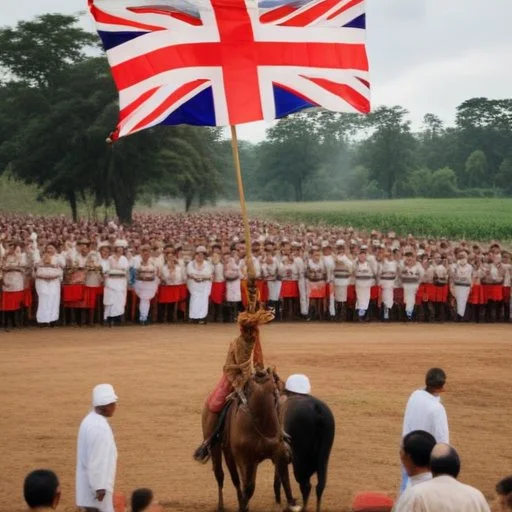
With independence, Burma embarked on a path of rapid modernization. The country adopted a parliamentary democracy, with a constitution that guaranteed fundamental rights to its citizens. U Nu's government implemented a range of social and economic reforms, aiming to rebuild the war-torn nation.
Aung San, the architect of Burma's independence, remains an iconic figure in the country's history. His vision of a united, democratic Burma continues to inspire generations. U Nu, who took the reins after Aung San's assassination, played a crucial role in shaping the country's early years.
Burma's independence paved the way for other Asian nations to shake off colonial shackles. The country's journey, though fraught with challenges, serves as a beacon of hope for self-determination and freedom.
As the people of Burma celebrate their independence, they remember the sacrifices of their forefathers and the struggles they overcame. Today, Myanmar, as it is now known, continues to navigate the complexities of its young democracy, drawing strength from its rich cultural heritage and the resilience of its people.
In Burma, food is a symbol of community and hospitality. The country's culinary traditions are a testament to its rich cultural heritage. On special occasions like independence day, families gather around the table to share traditional dishes like laphet (pickled tea leaves) and mohinga (national fish-based breakfast soup).
As we savor these flavors, we remember the countless sacrifices made by Burma's independence heroes and the resilience of its people. The story of Burma's independence is a testament to the human spirit's unwavering pursuit of freedom and self-determination.
Aung San, the architect of Burma's independence, was a charismatic leader who inspired a nation. Born in 1915, he studied at Rangoon University, where he became involved in the nationalist movement. Aung San's leadership skills, strategic thinking, and unwavering commitment to independence earned him the respect and admiration of his people.
Throughout his career, Aung San navigated complex political landscapes, forging alliances and negotiating with the British and Japanese. His vision for a unified, democratic Burma continues to inspire generations, and his legacy remains a powerful symbol of hope and freedom.

The dawn of independence marked a cultural renaissance in Burma. As the country asserted its sovereignty, it also rediscovered its rich cultural heritage. Traditional arts, music, and literature experienced a resurgence, asBurma's people sought to reconnect with their past.
The government established institutions to promote and preserve Burmese culture, and artists, writers, and musicians flourished in this new era of creative freedom. This cultural revival not only enriched the lives of Burma's citizens but also helped to forge a sense of national identity.
Following independence, Burma's political landscape was marked by a delicate balance of power. The AFPFL, led by U Nu, dominated the government, but the country still had to navigate the complexities of parliamentary democracy.
The government faced challenges from various factions, including communist and ethnic groups, which threatened the stability of the young nation. U Nu's leadership and the AFPFL's commitment to democracy helped to maintain peace and stability, but the country remained vulnerable to authoritarian tendencies and military interventions.

Independence brought new economic challenges to Burma. The country had to rebuild its war-torn infrastructure, restore its agricultural sector, and develop its natural resources.
The government implemented a range of policies to promote economic growth, including nationalization of key industries, land reform, and investment in education and healthcare. While these efforts laid the foundation for future growth, Burma's economy still faced significant challenges, including corruption, inefficiency, and a lack of investment.
Burma's strategic location made it a coveted prize for colonial powers and a critical piece in the ongoing struggle for regional influence.
As a buffer state between India and China, Burma played a crucial role in maintaining regional stability and balancing the interests of its powerful neighbors. The country's independence marked a significant shift in the regional balance of power, as Burma sought to assert its sovereignty and maintain its independence in the face of competing interests.