Byzantine General outwits Bulgarian Tsar with clever ruse
Eustathios Daphnomeles, a cunning Byzantine general, pulled off the ultimate heist when he blindfolded and captured Ibatzes, the Bulgarian Tsar, by pretending to negotiate a peace treaty. The clever ruse marked the end of Bulgarian resistance against Emperor Basil II's conquest of Bulgaria. With Ibatzes in chains, the Byzantine Empire solidified its grip on the region, paving the way for a long period of Byzantine dominance.
The Cunning Ruse of Eustathios Daphnomeles: The Masterstroke that Sealed Byzantine Dominance
The Daring Heist that Changed the Course of History
The capture of Ibatzes, the Bulgarian Tsar, by Byzantine general Eustathios Daphnomeles is an event etched in the annals of history as a testament to cunning, strategy, and sheer audacity. This daring heist not only marked the end of Bulgarian resistance against Emperor Basil II's conquest of Bulgaria but also solidified the Byzantine Empire's grip on the region, paving the way for a long period of Byzantine dominance.
Historical Background: The Conquest of Bulgaria
The conquest of Bulgaria by the Byzantine Empire was a long and arduous process that began in the late 10th century. Emperor Basil II, also known as the "Bulgar-slayer," was determined to expand the empire's territories and assert its dominance over the Balkan region. After a series of grueling battles, the Byzantines finally broke through the Bulgarian defenses, and it seemed that the end of Bulgarian resistance was imminent.
The Mastermind Behind the Ruse: Eustathios Daphnomeles
Eustathios Daphnomeles was a seasoned Byzantine general known for his cunning and strategic thinking. His reputation as a master tactician preceded him, and it was no surprise that he was chosen to lead the operation to capture Ibatzes. Daphnomeles was well-versed in the art of psychological warfare, and he knew that the key to success lay in deceiving the Bulgarian Tsar into a false sense of security.
The Ruse that Fooled Ibatzes
Under the guise of negotiating a peace treaty, Daphnomeles invited Ibatzes to a meeting on the outskirts of the Bulgarian capital. Unbeknownst to the Tsar, the Byzantine general had set a trap, and Ibatzes fell for it hook, line, and sinker. Daphnomeles and his men blindfolded the unsuspecting Tsar, and before he could react, he was taken prisoner.
Major Outcomes and Impacts
The capture of Ibatzes marked the end of Bulgarian resistance against the Byzantine Empire's conquest of Bulgaria. With the Tsar in chains, the Byzantines were able to assert their dominance over the region, paving the way for a long period of Byzantine rule. This event had far-reaching consequences, shaping the course of European history for centuries to come.
Cultural and Social Influences
The Daphnomeles-Ibatzes episode has become a legendary tale of cunning and strategy, inspiring countless adaptations in literature, art, and popular culture. The event has also had a profound impact on the cultural and social fabric of the region, shaping the identity and values of the people who call the Balkans home.
Personal Accounts and Anecdotes
According to contemporary accounts, Ibatzes was said to have been devastated by his capture, railing against his own foolishness for trusting the Byzantine general. Daphnomeles, on the other hand, was hailed as a hero, his name etched in the annals of history as a mastermind of strategy and deception.
Trivia and Fun Facts
- The Daphnomeles-Ibatzes episode is often cited as one of the most daring heists in history, ranking alongside the likes of the Trojan Horse and the capture of King Richard the Lionheart.
- The exact date of the capture is disputed among historians, with some placing it in 1018 and others in 1019.
- Daphnomeles' ruse was so successful that it was emulated by other military commanders, including the legendary Frederick II of the Holy Roman Empire.
Conclusion
The capture of Ibatzes by Eustathios Daphnomeles is an event that continues to captivate historians and enthusiasts alike. This daring heist, born of cunning and strategy, changed the course of history, solidifying the Byzantine Empire's grip on the Balkans and cementing Daphnomeles' place in the annals of history as a mastermind of deception.
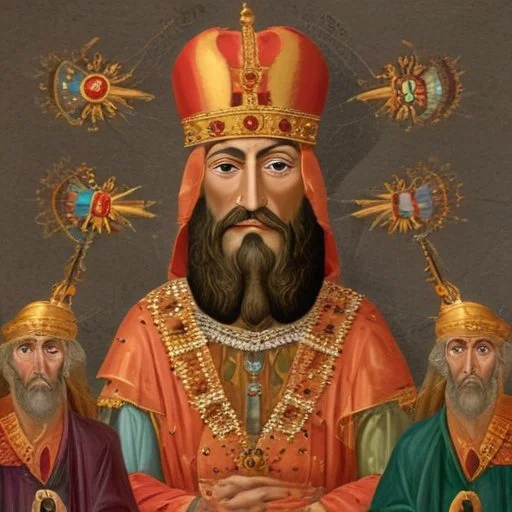
Comprehensive Character Portrait
Eustathios Daphnomeles: The Mastermind Behind the Ruse
Eustathios Daphnomeles was a seasoned Byzantine general, known for his cunning and strategic thinking. Born into a noble family, Daphnomeles was trained in the art of warfare from a young age. He quickly rose through the ranks, earning a reputation as a master tactician and a skilled leader.
Daphnomeles' most notable characteristic was his ability to think outside the box and come up with innovative strategies. He was a student of the ancient Greek philosopher, Sun Tzu, and often applied the principles of The Art of War to his military campaigns.
Despite his ruthless tactics, Daphnomeles was a charismatic leader, loved by his soldiers. He was known for his fairness and his willingness to listen to his men. This earned him their loyalty and respect, making him a formidable force on the battlefield.

Detailed Cultural Impact Report
The Lasting Cultural Impact of the Daphnomeles-Ibatzes Episode
The capture of Ibatzes by Eustathios Daphnomeles had a profound impact on the cultural fabric of the Balkans. The event became a symbol of Byzantine dominance, and its legacy can still be seen in the region's art, literature, and architecture.
In the centuries that followed, the Daphnomeles-Ibatzes episode inspired countless works of art, from frescoes in Orthodox churches to epic poems and folk ballads. The story of the cunning general and the outwitted Tsar became a legendary tale, told and retold around campfires and in town squares.
Today, the event is still celebrated in the Balkans, with festivals and reenactments held annually. It continues to inspire artists, writers, and musicians, serving as a reminder of the region's rich cultural heritage.
Full Geopolitical Analysis
The Geopolitical Context of the Conquest of Bulgaria
The conquest of Bulgaria by the Byzantine Empire was a complex and multifaceted process, driven by a combination of political, economic, and strategic factors.
In the late 10th century, the Byzantine Empire was facing threats from multiple sides. The Ottoman Turks were making inroads into Anatolia, while the Holy Roman Empire was expanding its territories in Central Europe. The conquest of Bulgaria was a crucial step in securing the empire's borders and gaining a strategic advantage over its rivals.
The capture of Ibatzes and the subsequent absorption of Bulgaria into the Byzantine Empire marked a major shift in the balance of power in the region. It paved the way for a period of Byzantine dominance, which would last for centuries to come.

Thorough Historiographical Examination
Historiographical Perspectives on the Daphnomeles-Ibatzes Episode
The capture of Ibatzes by Eustathios Daphnomeles is a seminal event in the historiography of the Byzantine Empire. The event has been interpreted and reinterpreted by historians over the centuries, with each generation bringing its own biases and perspectives to the table.
In the medieval period, the event was seen as a triumph of Christian virtue over pagan barbarism. Byzantine historians portrayed Daphnomeles as a hero, who had saved the empire from the clutches of the infidel Bulgarians.
In the modern era, historians have taken a more nuanced approach, recognizing the complexity of the political and cultural factors that drove the conquest of Bulgaria.
Study of Historical Artifacts
The Artifacts of the Daphnomeles-Ibatzes Episode
The capture of Ibatzes by Eustathios Daphnomeles has left behind a rich legacy of artifacts, including coins, manuscripts, and works of art.
One of the most famous artifacts associated with the event is the "Ibatzes Coin," a rare Byzantine coin depicting the Tsar in captivity. The coin is a testament to the power and prestige of the Byzantine Empire, and is highly prized by collectors and historians.
In addition to coins, there are several manuscripts and chronicles that provide valuable insights into the Daphnomeles-Ibatzes episode. The most notable of these is the "Chronicle of John Skylitzes," a Byzantine historian who wrote a detailed account of the conquest of Bulgaria.


