


On September 6, 1995, a sea of excited fans packed Camden Yards, home of the Baltimore Orioles, to witness history in the making. Cal Ripken Jr., the team's shortstop, was about to take the field for his 2,131st consecutive game, shattering a record that had stood for an astonishing 56 years.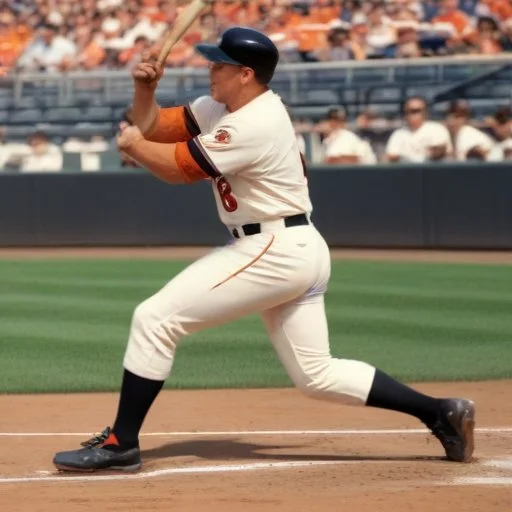
That unforgettable summer evening, Ripken Jr. surpassed the iconic Lou Gehrig's record, cementing his place among the all-time greats of baseball. The crowd's thunderous applause echoed through the stadium as Ripken, with his trademark intensity, manned his position, solidifying his status as "The Iron Man" of baseball.
Cal Ripken Jr.'s remarkable journey began on August 29, 1982, when he played his first consecutive game. The 21-year-old rookie from Aberdeen, Maryland, was an unlikely candidate to break such a revered record. However, his unwavering dedication, perseverance, and passion for the game propelled him towards greatness.
Ripken Jr.'s record-breaking achievement transcended the world of baseball, inspiring millions with his incredible work ethic and dedication. His streak became a symbol of perseverance, motivating people from all walks of life to strive for greatness.
Ripken Jr.'s remarkable achievement earned him numerous accolades, including:
Cal Ripken Jr.'s impact extended far beyond the baseball diamond. He founded the Cal Ripken Sr. Foundation, which provides opportunities for at-risk youth to develop their baseball skills and build character. His charitable work has improved the lives of countless young people, solidifying his status as a role model both on and off the field.
In conclusion, Cal Ripken Jr.'s record-breaking streak is a testament to his unwavering dedication and passion for the game. His legacy continues to inspire generations of baseball enthusiasts and beyond, cementing his place as one of the greatest athletes of all time.
Cal Ripken Jr.'s early life played a significant role in shaping his exceptional work ethic and dedication to baseball. Growing up in Aberdeen, Maryland, Ripken Jr. was exposed to the game from a young age, often playing catch with his father, Cal Ripken Sr., a former minor league player and coach.
Ripken Jr.'s parents instilled in him a strong sense of discipline and responsibility, which helped him develop a strong work ethic. His father, in particular, was instrumental in his early development as a player, teaching him the importance of fundamentals and hard work.
Ripken Jr.'s family also played a crucial role in his decision to pursue a career in baseball. His brother, Billy Ripken, also played professionally, and the two siblings would often compete against each other, fueling their passion for the game.

The impact of Cal Ripken Jr.'s record-breaking streak extended far beyond the realm of baseball. His incredible achievement transcended the sport, inspiring people from all walks of life to strive for greatness.
The streak resonated particularly with the American public, who were seeking heroes and role models in the wake of the 1994-95 MLB strike. Ripken Jr.'s dedication and perseverance served as a beacon of hope, reminding fans that hard work and determination could lead to remarkable achievements.
The streak also had a profound impact on the city of Baltimore, where Ripken Jr. played his entire career. His achievement brought a sense of pride and excitement to the city, cementing his status as a beloved figure in Baltimore sports.
Cal Ripken Jr.'s record-breaking streak is often compared to other notable records in sports, such as Joe DiMaggio's 56-game hitting streak and Wilt Chamberlain's 100-point game. While these records are certainly impressive, they pale in comparison to Ripken Jr.'s incredible achievement, which spanned over 13 years.
In terms of sheer duration and consistency, Ripken Jr.'s streak is unparalleled in sports history. His ability to play in 2,131 consecutive games is a testament to his remarkable endurance, both physically and mentally.
Moreover, Ripken Jr.'s streak was not simply a product of his individual talent, but rather the result of his dedication to his craft and his team. His commitment to the Orioles and his role as a leader on the field helped to drive the team's success during his playing career.

The early years of Cal Ripken Jr.'s streak were marked by a series of milestones and setbacks. In 1982, Ripken Jr. played in his first 40 consecutive games, establishing himself as a reliable presence in the Orioles' lineup.
However, in 1983, Ripken Jr. suffered a serious injury that threatened to derail his streak. A broken ankle sidelined him for several weeks, but he was determined to return to the field as soon as possible.
Ripken Jr.'s perseverance paid off, as he continued to play in every game, eventually breaking the Orioles' franchise record for consecutive games played in 1985. This milestone marked a turning point in his streak, as he began to gain national attention and recognition for his remarkable achievement.
Cal Ripken Jr.'s record-breaking streak had a significant economic impact on the city of Baltimore and the sport of baseball as a whole. The streak helped to increase attendance at Orioles games, generating millions of dollars in revenue for the team and the local economy.
The streak also led to a surge in merchandise sales, as fans clamored for Ripken Jr. jerseys, baseball cards, and other memorabilia. The increased exposure and media attention surrounding the streak helped to boost MLB's popularity, contributing to a significant increase in revenue for the league.
Furthermore, Ripken Jr.'s streak helped to establish the Orioles as a premier franchise in MLB, increasing their value and appeal to sponsors and investors. The team's improved reputation and performance on the field helped to attract new fans and generate additional revenue streams.