


The Campanile in St. Mark's Square, a iconic symbol of Venice's grandeur, came crashing down without warning on July 14, 1902, sending shockwaves through the city and leaving Venetians stunned. The 267-year-old bell tower, a marvel of Renaissance architecture, collapsed, taking with it the adjacent Loggetta, a beautiful 16th-century building.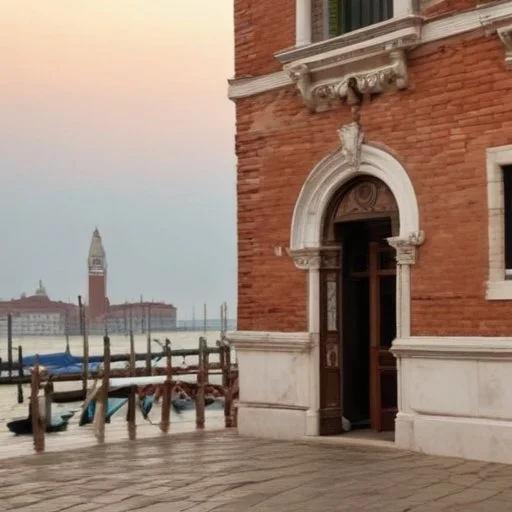
In the years leading up to the collapse, warnings signs were ignored, and concerns were dismissed. The tower, which had been leaning slightly for centuries, had been showing signs of deterioration. Despite this, the authorities were more concerned with the aesthetics of the square than the structural integrity of the ancient tower. The collapse was a devastating reminder that neglect and complacency can have catastrophic consequences.
The collapse of the Campanile sent debris flying through St. Mark's Square, causing widespread destruction and chaos. Fortunately, no lives were lost, but the cultural heritage of Venice was forever changed. The incident sparked a heated debate about the preservation and restoration of historic landmarks, with many calling for greater investment in protecting the city's treasured architecture.
In the aftermath of the disaster, the city of Venice came together to rebuild and restore the Campanile to its former glory. The reconstruction process was a testament to the city's resilience and determination, with the new tower rising from the rubble like a phoenix. The reconstructed Campanile was inaugurated on April 25, 1912, and it stands today as a symbol of Venice's unwavering spirit.
The collapse of the Campanile serves as a powerful reminder of the importance of preserving our cultural heritage. It highlights the need for responsible stewardship and proactive maintenance of historic landmarks, lest we risk losing them forever. The incident also underscores the importance of listening to warnings and heeding the concerns of experts, rather than ignoring them.
The collapse of the Campanile in St. Mark's Square serves as a poignant reminder of the importance of preserving our cultural heritage. It is a testament to the power of community and the human spirit, and a powerful symbol of the city of Venice's enduring beauty and resilience.
Historians have long debated the significance of the Campanile's collapse, with some viewing it as a symptom of Venice's decline as a major power, while others see it as a symbol of the city's resilience in the face of disaster. Regardless, the event serves as a poignant reminder of the importance of preserving cultural heritage sites.
In the years following the collapse, historians and architects pored over the ruins, studying the ancient structure's design and construction. Their findings would go on to influence the development of new preservation techniques, shaping the way we approach historic site restoration today.

The collapse of the Campanile had far-reaching cultural implications, highlighting the importance of preserving historic landmarks for future generations. In the aftermath of the disaster, a renewed focus on cultural heritage preservation led to the establishment of new organizations and initiatives dedicated to protecting Venice's rich cultural legacy.
The incident also sparked a global conversation about the importance of preserving our shared cultural heritage, with international leaders and experts coming together to discuss best practices and strategies for protecting historic sites.
The Campanile's design and construction are a testament to the ingenuity and skill of Renaissance architects and engineers. Built in the 9th century, the tower's innovative design featured a unique blend of Byzantine and Gothic elements, making it a true marvel of its time.
Archival documents from the era reveal the meticulous attention to detail that went into the tower's construction, with architects and engineers carefully calibrating the structure's design to ensure its stability and longevity.
The economic impact of the Campanile's collapse was significant, with the loss of the tower and adjacent Loggetta resulting in a substantial decline in tourism revenue for the city. The reconstruction efforts that followed would go on to inject millions of lira into the local economy, creating jobs and stimulating growth.
In the long term, the collapse and subsequent reconstruction of the Campanile would serve as a catalyst for sustainable tourism in Venice, with the city implementing measures to manage tourist flow and reduce the environmental impact of visitor traffic.
The Campanile's collapse marked a turning point in the development of architectural engineering and preservation techniques. In the aftermath of the disaster, engineers and architects were forced to re-examine their approach to historic site preservation, leading to significant advances in areas such as seismic retrofitting and materials conservation.
The incident also spurred the development of new technologies, including advanced surveying systems and soil analysis techniques, which have since become essential tools in the preservation of historic structures.