


The Cape Canaveral Air Force Station witnessed a catastrophic event on January 17, 1997, when a Delta II rocket, carrying the GPS IIR1 satellite, burst into flames just 13 seconds after liftoff, scattering a massive 250 tons of fiery debris around the launch pad. This explosion, though fortunately claiming no human lives, dealt a significant blow to the Global Positioning System (GPS) program, marking one of the most notorious launch failures in the history of space exploration.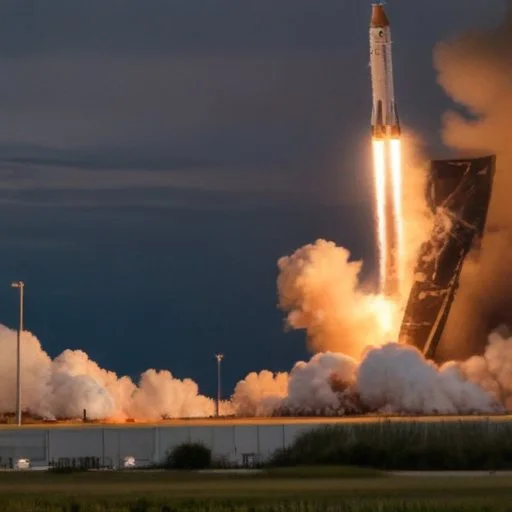
The GPS IIR1 satellite was designed to be part of a constellation of 24 operational satellites, aiming to provide accurate navigation and timing signals to the US military and civilians worldwide. The GPS program, initiated in the 1970s, sought to revolutionize navigation, commerce, and national security. By the mid-1990s, the program had made significant progress, with the first GPS satellite launched in 1989. However, the Delta II explosion would halt this momentum and raise concerns about the program's reliability.
The Delta II explosion led to a comprehensive investigation, which revealed a faulty rocket booster as the primary cause of the failure. This discovery prompted a redesign of the SRB, ensuring that such a failure would not occur again. Although the incident delayed the GPS program, it ultimately led to improved safety measures and more stringent quality control procedures. The setback also prompted a re-evaluation of the program's ambitious goals, resulting in a more cautious approach to satellite development and deployment.
"The GPS program is not just about putting a satellite in space; it's about providing a critical national asset that affects our military, economy, and daily lives. We must learn from our failures and move forward with diligence and determination." - Lt. Gen. Donald Utterback, US Air Force (Ret.), former GPS program director
The Delta II explosion sparked concerns about the reliability of the GPS program, raising questions about the safety of the satellites and the confidence of the American people in the program's ability to deliver. The incident led to Congressional hearings and intense media scrutiny, forcing the US Air Force to re-examine its quality control processes and assure the public that the program was on track to meet its goals.
The Delta II explosion shared eerie similarities with the Challenger space shuttle disaster in 1986, which also involved a faulty solid rocket booster. Both incidents highlighted the importance of rigorous testing, quality control, and accountability within the space industry. The lessons learned from these incidents have since been applied to future space exploration endeavors, ensuring that safety remains a top priority.
The Delta II explosion served as a wake-up call for the GPS program, prompting a renewed focus on safety, quality, and accountability. The incident ultimately strengthened the program, leading to the development of more robust and reliable satellites. Today, the GPS program is a testament to the power of perseverance and the importance of learning from failure.
Lt. Gen. Donald Utterback, the former GPS program director, played a crucial role in navigating the aftermath of the Delta II explosion. With his wealth of experience in the US Air Force, Utterback brought a sense of calm and determination to the crisis. His leadership and expertise were instrumental in identifying the root cause of the failure and implementing corrective measures to ensure the program's long-term success.
Utterback's commitment to the GPS program was unwavering, and his vision for the technology's potential to transform the military and civilian sectors drove the program's development. His leadership during the crisis not only salvaged the program but also left a lasting impact on the space industry as a whole.

The Delta II explosion had far-reaching implications for the public's perception of the GPS program. As a technology that had become increasingly integral to daily life, the failure of the satellite launch raised questions about the reliability of the system. The incident sparked a national conversation about the importance of accountability and transparency in the pursuit of scientific progress.
The GPS program's promise to provide accurate navigation and timing signals had created a sense of trust among the American people. The Delta II explosion tested that trust, forcing the US Air Force to re-examine its quality control processes and reassure the public of the program's integrity.
The Delta II explosion led to a comprehensive review of the rocket's design and development process. The investigation into the incident revealed a faulty solid rocket booster as the primary cause of the failure. This discovery prompted a redesign of the booster, ensuring that such a failure would not occur again.
The incident also accelerated the development of more robust and reliable satellite technologies. The GPS program's focus on safety and quality control led to the creation of more sophisticated satellites, capable of providing accurate navigation and timing signals to a wide range of users.
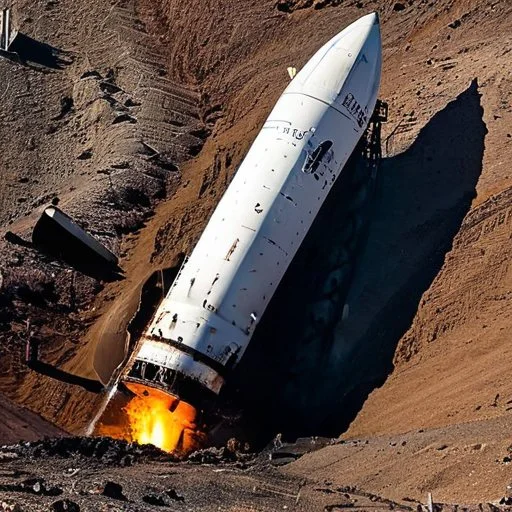
The Delta II explosion had significant environmental implications, with 250 tons of burning rocket remains scattered around the launch pad and surrounding areas. The cleanup efforts were extensive, requiring a coordinated response from local authorities and environmental agencies.
The incident highlighted the need for more stringent environmental regulations in the space industry. The GPS program's renewed focus on safety and quality control led to the development of more environmentally friendly technologies, minimizing the risk of future environmental disasters.
The Delta II explosion serves as a humbling reminder of the complexities and challenges involved in space exploration. The incident forced the GPS program to re-examine its assumptions and hubris, acknowledging the limitations of human knowledge and technology.
Historians of the GPS program can draw parallels between the Delta II explosion and other notable failures in the space industry, such as the Challenger disaster. These incidents highlight the importance of learning from failure and the need for continued vigilance and improvement in the pursuit of scientific progress.