


Hurricane Camille, one of the most destructive storms in U.S. history, made landfall on the Gulf Coast on August 17, 1969, leaving behind a trail of devastation and chaos. This Category 5 hurricane is infamous for its catastrophic winds and torrential rains, which resulted in 256 fatalities and a staggering $1.42 billion in damages.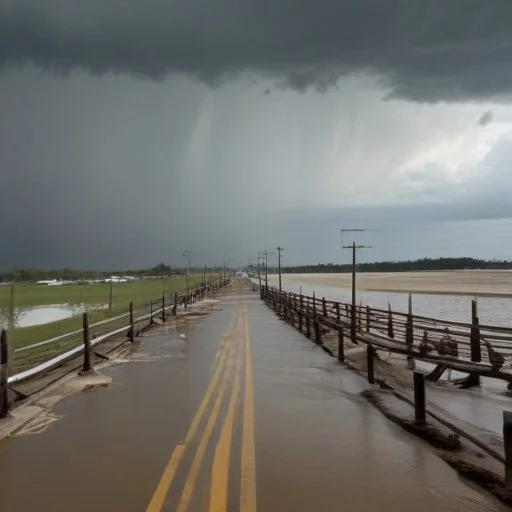
Hurricane Camille formed over the Caribbean Sea on August 13, 1969, initially classified as a tropical depression. However, it rapidly intensified into a Category 5 hurricane, with sustained winds of 190 mph and a storm surge of 24 feet. This behemoth storm was unlike any other, with its sheer size and power making it a force to be reckoned with.
The towns of Waveland and Bay St. Louis in Mississippi bore the full fury of Hurricane Camille. The storm's powerful winds and storm surge reduced entire neighborhoods to rubble, leaving thousands of people homeless and without access to basic necessities. The coastal communities were particularly vulnerable, with many homes and businesses situated in low-lying areas, making them prone to flooding and storm damage.
The aftermath of Hurricane Camille was marked by widespread destruction, with entire communities left in ruins. The response to the disaster was slow, with many rescue teams and aid workers struggling to reach the affected areas due to the extensive damage to infrastructure. President Richard Nixon declared the affected areas a federal disaster zone, paving the way for federal aid and assistance.
Hurricane Camille's impact was felt far beyond the immediate aftermath of the storm. The disaster led to significant changes in hurricane forecasting and preparedness, with the National Hurricane Center (NHC) implementing new warning systems and emergency protocols. The storm also spurred the development of more robust building codes and flood protection measures, aimed at mitigating the impact of future hurricanes.
"I'll never forget the sound of the storm, it was like a never-ending freight train. We thought it was the end of the world." - Mary Johnson, Waveland resident
"We were stuck in our attic for hours, waiting for the storm to pass. It was a nightmare come true." - James Wilson, Bay St. Louis resident
The people of Waveland and Bay St. Louis will never forget the devastating impact of Hurricane Camille. The storm may have passed, but its legacy lives on, serving as a poignant reminder of the power and fury of nature.
Hurricane Camille's storm surge and heavy rainfall caused widespread environmental damage, including the destruction of mangrove forests and salt marshes that provided natural barriers against storms. The storm also resulted in the loss of wildlife habitats and the disruption of marine ecosystems.
The storm's impact on the environment was further exacerbated by the fact that the affected areas were already vulnerable due to human activities such as wetland destruction and coastal development. The disaster led to a reevaluation of environmental policies and regulations, highlighting the need for more sustainable and eco-friendly practices in coastal areas.

Hurricane Camille had a profound impact on the cultural identity of the Gulf Coast communities. The storm destroyed many historical landmarks, cultural artifacts, and traditional homes, leading to a loss of cultural heritage and community pride.
The disaster also led to a shift in community dynamics, as many residents were forced to relocate and rebuild their lives elsewhere. This led to the creation of new cultural traditions and community practices, as people came together to rebuild and recover.
Hurricane Camille's devastating impact on the Gulf Coast led to significant advancements in hurricane forecasting and warning systems. The storm highlighted the need for more accurate and reliable weather forecasting, leading to the development of new technologies and systems.
The disaster also spurred the development of more resilient and sustainable building materials and designs, as well as improved flood protection measures. These innovations have since been adopted in other hurricane-prone areas, reducing the risk of damage and loss of life.

Hurricane Camille's legacy can be seen in the way it has been remembered and commemorated by historians and residents alike. The storm has been the subject of numerous books, documentaries, and oral histories, each offering a unique perspective on the disaster.
Historians have also drawn parallels between Hurricane Camille and other major natural disasters, highlighting the common themes of community resilience, government response, and environmental vulnerability.
Hurricane Camille's economic impact was staggering, with estimated damages of $1.42 billion (equivalent to over $10 billion today). The storm destroyed entire industries, including fishing, tourism, and agriculture, leading to widespread unemployment and economic instability.
However, the disaster also led to a surge in economic growth and development, as government aid and investment poured into the affected areas. The storm ultimately spurred the diversification of the local economy, making it more resilient to future disasters.