


In April 2004, CBS News shook the world by releasing harrowing photographs that revealed the shocking truth about American troops' brutal treatment of Iraqi detainees at Abu Ghraib prison. The chilling images depicted prisoners subjected to rape, physical and psychological abuse, and humiliation, exposing the darkest chapter in American military history.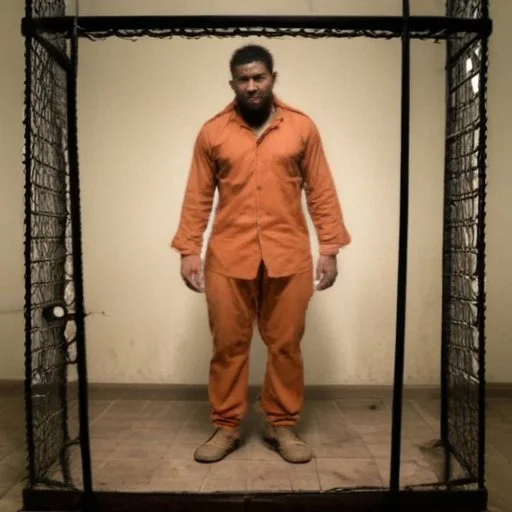
The Abu Ghraib scandal was not an isolated incident, but rather a symptom of a larger problem within the US military. Investigations revealed a culture of impunity, where soldiers were emboldened to commit atrocities due to lack of accountability and oversight. The incidents were not restricted to Abu Ghraib; similar cases of abuse and torture were reported in other Iraqi prisons, including Camp Bucca and Camp Cropper.
January 2003: The US invades Iraq, and the Abu Ghraib prison is converted into a detention center for Iraqi detainees.
October 2003: Prisoner abuse begins, with soldiers taking photographs of their actions.
January 2004: FBI agents discover the abuse and alert senior military officials.
April 2004: CBS News releases the photographs, sparking international outrage.
May 2004: The US Army launches an investigation, and court-martials begin for soldiers involved in the abuse.
2005: Investigations conclude, and a report is released detailing the extent of the abuse and failures in command.
The Abu Ghraib scandal led to widespread condemnation, with many calling for accountability from the US government and military. The incident:
"The abuse of detainees at Abu Ghraib was not only a moral and legal outrage, but a strategic setback for the United States." — Senator John McCain
The Abu Ghraib scandal sparked a national debate on the treatment of detainees and the limits of military power. The incident:
The Abu Ghraib scandal drew comparisons to other instances of human rights abuses, including the My Lai Massacre during the Vietnam War and the Nuremberg Trials after World War II. The incident highlighted the importance of accountability and the need for military leaders to take responsibility for their actions.
Speaking to the New York Times, a former Abu Ghraib detainee recalled: "They were treating us like animals... They would make us stay awake for days, and then they would come and kick us, and make us do exercises." The detainee's account humanized the victims and underscored the gravity of the abuses.
The Abu Ghraib scandal led to increased scrutiny of military operations and detention centers. The incident:
The Abu Ghraib torture and abuse scandal serves as a stark reminder of the importance of upholding human rights and the rule of law, even in the midst of conflict. As the world grapples with ongoing challenges to human dignity, the lessons of Abu Ghraib remain essential to shaping a more just and accountable future.
Lynndie England, the face of the Abu Ghraib scandal, grew up in a small town in West Virginia. She joined the Army Reserve in 2001, hoping to pay for college. England's lawyers argued that she was a naive and impressionable young woman who was easily manipulated by her colleagues. However, her smiling and posing in the infamous photographs belied a more sinister reality.
England's role in the abuse was not limited to posing for photographs. She participated in the physical and psychological abuse of detainees, often at the behest of her superior, Charles Graner. Her conviction and subsequent sentencing sent a strong message about the accountability of low-ranking soldiers.

The Abu Ghraib scandal had far-reaching cultural implications, resonating with the public on a deep level. The images of abuse and humiliation sparked a national conversation about the morality of war and the limits of military power.
The incident inspired a wave of creative works, including documentaries, films, and books. The most notable of these is likely the Oscar-winning documentary "Standard Operating Procedure" (2008), which explores the context and consequences of the abuse.
The scandal also influenced the broader cultural narrative around human rights and torture. It highlighted the need for accountability and transparency in military operations, sparking a renewed interest in human rights activism.
The Abu Ghraib scandal draws uncomfortable parallels with other instances of human rights abuses throughout history. The My Lai Massacre during the Vietnam War, in which American soldiers killed hundreds of unarmed civilians, shares eerie similarities with the abuse at Abu Ghraib.
Both incidents involved a breakdown in military discipline and a culture of impunity. They also both led to widespread outrage and calls for accountability. The Nuremberg Trials, held after World War II, serve as another precedent for holding military leaders accountable for their actions.

The invasion of Iraq in 2003, which led to the establishment of Abu Ghraib as a detention center, was part of a broader geopolitical context. The Bush administration's "War on Terror" created a climate of fear and paranoia, which contributed to the environment of abuse at Abu Ghraib.
The prison itself was a symbol of Saddam Hussein's regime, and its conversion into a detention center was meant to send a message about the new order in Iraq. However, the abuse that occurred there ultimately undermined the U.S. military's reputation and legitimacy in the region.
The Abu Ghraib scandal has become a teaching moment for military educators and ethicists. It serves as a cautionary tale about the dangers of unchecked power and the importance of upholding human rights, even in the midst of conflict.
Many military academies now incorporate the Abu Ghraib scandal into their curricula, using it to teach soldiers about the importance of accountability, leadership, and respect for human dignity. The incident has also led to reforms in military training, emphasizing the need for cultural sensitivity and awareness of human rights norms.