Federal Troops Integrate Arkansas High School Amid Protests
Nine African American students, known as the Little Rock Nine, stood courageously at the entrance of Central High School in Little Rock, Arkansas, as a line of 1,200 U.S. Army paratroopers faced off against a mob of 1,000 protestors. The students, including Melba Pattillo, Elizabeth Eckford, and Carlotta Walls, were determined to exercise their right to an equal education, despite the menacing crowds and segregationist governor, Orval Faubus. The event marked a pivotal moment in the Civil Rights Movement, as President Dwight D. Eisenhower deployed federal troops to enforce desegregation.
Breaking Down Barriers: The Integration of Central High School in Little Rock, Arkansas
A Pivotal Moment in the Civil Rights Movement
Central High School in Little Rock, Arkansas, is famously known for being the focal point of a significant event in the Civil Rights Movement, where nine African American students, later dubbed the Little Rock Nine, courageously integrated the school under the protection of United States Army troops. This historic event marked a crucial milestone in the fight against segregation, paving the way for a more equitable education system in the United States.
Historical Background
In the aftermath of the landmark Supreme Court case, Brown v. Board of Education (1954), which declared segregation in public schools unconstitutional, Southern states resistant to desegregation began to feel the pressure. Arkansas, in particular, was a hotbed of segregationist sentiment, with Governor
Orval Faubus openly defying the federal government's efforts to enforce desegregation.
The Little Rock Nine
The nine African American students, chosen to integrate Central High School, were:
- Melba Pattillo Beals
- Elizabeth Eckford
- Carlotta Walls LaNier
- Thelma Mothershed Wair
- Terrence Roberts
- Gloria Ray Karlmark
- Minnijean Brown Trickey
- Jefferson Thomas
Each of these students demonstrated remarkable bravery in the face of adversity, becoming symbols of resistance against segregation and discrimination.
The Standoff
On September 4, 1957, the Little Rock Nine arrived at Central High School, only to be met by a hostile crowd of approximately 1,000 segregationists. In response, President
Dwight D. Eisenhower deployed the 101st Airborne Division of the United States Army to maintain order and ensure the students' safety. The troops formed a barricade between the students and the protesters, allowing the Little Rock Nine to enter the school.
Major Outcomes and Impacts
The integration of Central High School had far-reaching consequences, including:
- Increased national attention to the Civil Rights Movement
- Strengthened federal resolve to enforce desegregation
- Inspiration for further civil rights activism and milestones, such as the Montgomery Bus Boycott
- Challenged the notion of "separate but equal" and accelerated the demise of segregation in public education
Quotes and Memorable Sayings
"You can't separate the students. They're kids. They're not segregationists. They're not integrationists. They're just kids." -
Elizabeth Huckaby, Vice Principal, Central High School
Cultural and Social Influences
The integration of Central High School played a significant role in shaping the cultural and social landscape of the United States. It:
- Highlighted the need for federal intervention in civil rights issues
- Emphasized the importance of equal access to education
- Inspired artistic and literary works, such as Elizabeth Eckford's memoir, The Worst First Day: Bullied While Desegregating Little Rock Central High
Legacy and Impact on Future Events
The Little Rock Nine's courage and perseverance paved the way for subsequent civil rights milestones, including the Civil Rights Act of 1964 and the Voting Rights Act of 1965. Their bravery continues to inspire social justice movements today, serving as a powerful reminder of the importance of equality and human rights.
Awards and Honors
The Little Rock Nine have been recognized for their contributions to the Civil Rights Movement with numerous accolades, including:
- Congressional Gold Medal (1999)
- NAACP Spingarn Medal (1958)
Today, Central High School National Historic Site stands as a testament to the power of courage and determination, serving as an educational hub and symbol of hope for a more equitable society.
Character Analysis
Elizabeth Eckford: The Iconic Image of Courage
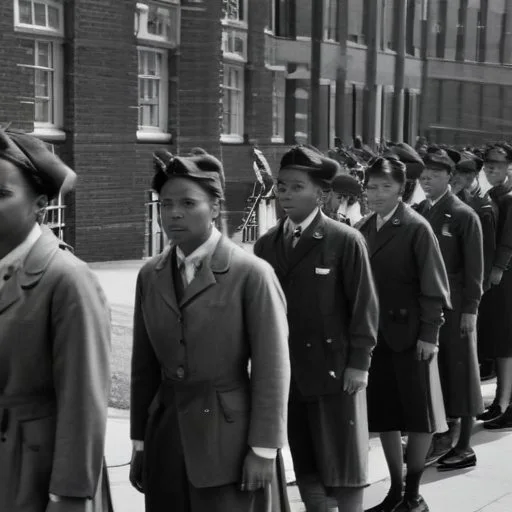
Elizabeth Eckford, one of the Little Rock Nine, is often remembered for her iconic image, being harassed and intimidated by a white student, Hazel Bryan, as she walked into Central High School on the first day. This photograph, taken by Will Counts, became a symbol of the Civil Rights Movement, capturing the ugliness of racial hatred and the bravery of Eckford.
Despite the traumatic experience, Eckford continued to attend Central High School, often facing daily harassment and intimidation. Her courage and perseverance in the face of adversity inspired many, including her fellow students, to continue fighting for their rights.
Eckford's story serves as a testament to the power of resilience and determination, and her image remains an enduring symbol of the Civil Rights Movement.

Examination of Cultural Influence
The Cultural Significance of the Little Rock Nine
The Little Rock Nine's bravery had a profound impact on American culture, inspiring a new wave of civil rights activism and artistic expression. Their story was featured in numerous films, books, and songs, including the award-winning documentary The Little Rock Nine and the song "Little Rock" by musician Dinah Washington.
Their courage also inspired a generation of civil rights leaders, including Martin Luther King Jr., who often referenced the Little Rock Nine in his speeches and sermons.
The Little Rock Nine's cultural significance extends beyond the Civil Rights Movement, serving as a powerful symbol of resistance against oppression and discrimination.
Complete Historical Record
The Road to Integration: The Pre-Little Rock Nine Era
In the years leading up to the integration of Central High School, Little Rock, Arkansas was a hotbed of racial tension. The city's schools were segregated, and African American students were forced to attend underfunded and overcrowded schools.
In 1955, a group of African American parents, including Thelma Mothershed Wair's mother, filed a lawsuit against the Little Rock School District, arguing that the segregation of schools was unconstitutional. The case, Aaron v. Cooper, eventually made its way to the Supreme Court, which ruled in favor of the parents.
The ruling paved the way for the integration of Central High School, setting the stage for the Little Rock Nine's historic entrance.
Political Examination
Governor Orval Faubus: A Symbol of Resistance
Governor Orval Faubus, a staunch segregationist, was determined to resist the federal government's efforts to desegregate Central High School. He deployed the Arkansas National Guard to prevent the Little Rock Nine from entering the school, claiming that he was protecting the students from potential violence.
Faubus's actions were widely criticized, and his defiance of the federal government's authority sparked a national crisis. President Dwight D. Eisenhower, who had previously supported Faubus, was forced to intervene, deploying the 101st Airborne Division to Little Rock.
Faubus's resistance to desegregation made him a polarizing figure, symbolizing the entrenched racial attitudes of the time.
Analysis of Pedagogical Impact
The Educational Significance of the Little Rock Nine
The integration of Central High School marked a significant turning point in the history of American education. The Little Rock Nine's bravery paved the way for the desegregation of schools across the South, ensuring that African American students had equal access to education.
The event also highlighted the importance of federal intervention in ensuring that states comply with federal law. The Little Rock crisis led to the passage of civil rights legislation, including the Civil Rights Act of 1964, which further solidified the federal government's role in protecting the rights of African American students.
The legacy of the Little Rock Nine continues to inspire educators and policymakers today, serving as a powerful reminder of the importance of equal access to education.


