


On August 11, 1960, the flags of France were lowered, and the tricolors of Chad were raised high, marking the country's declaration of independence from its former colonial ruler. This momentous occasion brought an end to decades of French dominance, ushering in a new era of self-governance and autonomy for the landlocked nation in Central Africa.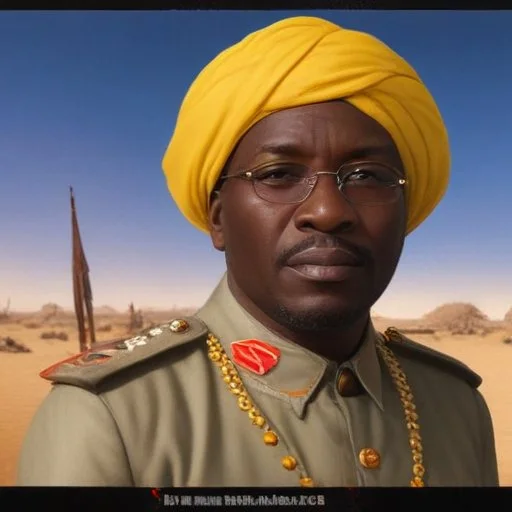
The road to independence was paved with the blood, sweat, and tears of Chad's freedom fighters. From the early 20th century, anti-colonial movements had been simmering, with leaders like Gabriel Lisette and Gontchomé Sahoulba advocating for greater autonomy and eventually, independence.
The journey to independence was marked by several crucial events:
The declaration of independence had far-reaching consequences for Chad:
Independence sparked a cultural renaissance in Chad, as the country reclaimed its heritage and traditions:
Chad's declaration of independence serves as a beacon of hope for nations striving for self-determination:
"Independence is not a gift, it is a right, and we must fight for it." - Franois Tombalbaye
Today, Chad continues to face challenges, but its declaration of independence remains a powerful symbol of resistance and determination.
As I reflect on Chad's journey to independence, I am reminded of the power of collective resistance and the unwavering commitment to freedom. It is a testament to the human spirit, which continues to inspire and motivate us to this day.
Historians have long debated the significance of Chad's declaration of independence, with some arguing it was a gradual process rather than a singular event. While the country's internal autonomy had been growing since the mid-20th century, the formal declaration of independence marked a turning point in the nation's trajectory.
One school of thought emphasizes the role of international pressure, citing the collapse of European colonial empires in the aftermath of World War II. Others focus on the agency of Chadian leaders, such as Franois Tombalbaye, who navigated the complex web of French-Chadian relations to secure independence.

Little is known about the personal life of Gontchomé Sahoulba, one of the key figures in Chad's struggle for independence. Born in the 1920s, Sahoulba came from a family of modest means and was educated in French colonial schools. He became involved in politics at a young age, advocating for greater autonomy and eventually independence.
Sahoulba's charisma and organizational skills made him a natural leader, and he played a crucial role in mobilizing support among Chad's diverse ethnic groups. His legacy is still celebrated today, with many Chadians regarding him as a national hero.
The declaration of independence had a profound impact on Chad's cultural landscape. As the country began to assert its own identity, traditional art forms and crafts experienced a resurgence in popularity.
The promotion of indigenous languages, such as Arabic and Sara, also helped to shift the cultural narrative. Chadian writers and intellectuals, such as Antoine de Saint-Exupéry, began to explore themes of identity, colonialism, and nation-building in their work.

Chad's declaration of independence took place within a complex geopolitical context. The Cold War was in full swing, and African nations were increasingly seeking independence from their colonial rulers.
The influence of pan-Africanism, led by figures such as Kwame Nkrumah and Julius Nyerere, also played a significant role in shaping Chad's independence movement. The country's strategic location in Central Africa made it a key player in regional politics, and its independence was closely watched by neighboring nations.
The economic impact of independence was significant, with Chad gaining control over its natural resources and economy. The country was able to diversify its trade partners, moving away from dependence on France.
However, the transition to independence was not without its challenges. Chad faced difficulties in managing its finances, and the country's infrastructure was in dire need of investment. International aid and assistance from organizations such as the World Bank and IMF played a crucial role in supporting Chad's economic development.