


On February 17, 1949, Chaim Weizmann, a towering figure in Jewish history, embarked on a new chapter in his illustrious career, taking office as the first President of Israel. This momentous occasion marked a significant milestone in the young nation's journey, solidifying its sovereignty and paving the way for rapid growth and development.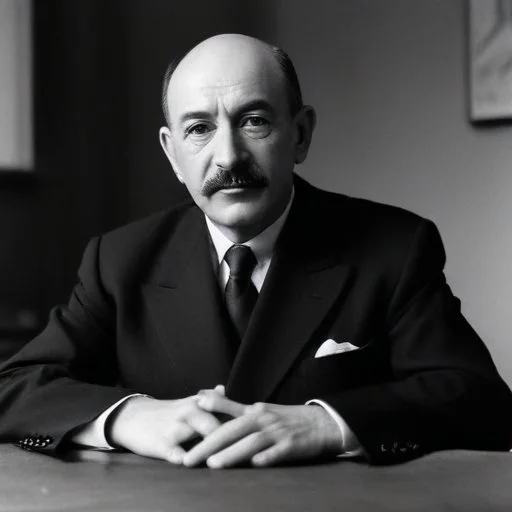
Weizmann's presidency was the culmination of a lifetime of dedication to the Jewish people. Born in 1874 in Motol, Belarus, Weizmann was a brilliant chemist who made significant contributions to the field, including the development of a synthetic acetone production method during World War I. His scientific prowess, however, was soon eclipsed by his zeal for Zionism, a passion that would drive his life's work.
Weizmann's involvement in the Zionist movement began in the early 1900s, when he became a prominent figure in the World Zionist Organization. His tireless efforts to promote Jewish statehood ultimately led to the 1917 Balfour Declaration, which expressed Britain's support for a Jewish homeland in Palestine. This pivotal moment set the stage for Weizmann's future leadership role in Israel.
Weizmann's presidency had far-reaching consequences, both domestically and internationally. Under his leadership, Israel:
Weizmann's presidency was marked by a deep commitment to cultural and social development. He:
Weizmann's term as Israel's first President set the stage for a lifetime of achievement. He continued to serve as a symbol of national unity, guiding the country through challenging times and inspiring future generations of leaders. Today, Weizmann's legacy is celebrated as a testament to the power of vision, perseverance, and leadership.
"The Jewish people have always been a nation of visionaries, and it is our duty to continue this noble tradition." - Chaim Weizmann
Weizmann's words continue to inspire, reminding us of the importance of vision, leadership, and community in shaping our collective destiny.
Weizmann's presidency was marked by a series of symbolic gestures that underscored Israel's sovereignty. One such gesture was his decision to relocate the presidential residence from Tel Aviv to Jerusalem, a move that was seen as a bold statement of Israel's commitment to its capital city.
This decision was not without controversy, however. Many countries, including the United States, refused to recognize Jerusalem as Israel's capital, and instead maintained their embassies in Tel Aviv. Despite this, Weizmann remained resolute in his determination to assert Israel's sovereignty over the city.

Chaim Weizmann's leadership style was marked by a unique blend of charisma, intelligence, and pragmatism. He possessed a rare ability to inspire and motivate others, and was known for his exceptional communication skills.
Weizmann's strong personality and unwavering commitment to his ideals earned him the respect and admiration of his contemporaries. He was a true statesman who commanded attention and inspired confidence in those around him.
Weizmann's presidency had a profound impact on Israeli culture. He recognized the importance of art and culture in shaping Israel's national identity, and actively promoted the development of Hebrew literature, music, and art.
Under his leadership, Israel's cultural institutions flourished, and the country became a hub of artistic innovation and creativity. Weizmann's commitment to cultural development helped to foster a sense of national pride and identity among Israelis.

Weizmann's presidency was marked by a series of delicate diplomatic maneuvers. He navigated the complexities of international politics with skill and sophistication, securing critical support from key allies and neutralizing potential threats.
Weizmann's diplomatic efforts were characterized by a deep understanding of the nuances of international relations, and a willingness to take calculated risks to advance Israel's interests.
Weizmann's presidency took place against the backdrop of a rapidly changing global landscape. The aftermath of World War II had left the international community reeling, and the Middle East was a hotbed of tension and instability.
Despite these challenges, Weizmann remained focused on his vision for Israel's future, and worked tirelessly to promote peace, stability, and cooperation in the region.