Lindbergh completes solo Atlantic Ocean flight
Charles Lindbergh, a 25-year-old U.S. Army reserve officer, wrote himself into the history books as he landed his single-engine Spirit of St. Louis at Le Bourget Field in Paris. Thirty-three and a half hours after taking off from Roosevelt Field in Long Island, New York, Lindbergh touched down on French soil, marking the first solo nonstop flight across the Atlantic Ocean. The young aviator battled against treacherous weather, icing conditions, and fatigue, but his determination and skill paid off as he landed safely in the City of Light. The world was electrified by this groundbreaking feat, hailing Lindbergh as a hero and pioneer in aviation.
The Dawn of a New Era: Lindbergh's Historic Solo Flight Across the Atlantic
A Hero Emerges: The World Takes Note
On May 20, 1927,
Charles Lindbergh etched his name in the annals of history, landing his trusty Spirit of St. Louis at Le Bourget Field in Paris, completing the world's first solo nonstop flight across the Atlantic Ocean. This daring feat, which took 33 hours and 30 minutes to accomplish, marked a major milestone in aviation, captivating the world's attention and cementing Lindbergh's status as a pioneer and hero.
The Making of a Legend
Born on February 4, 1902, in Detroit, Michigan, Charles Lindbergh was an American aviator, military officer, and author. His fascination with flight began at an early age, and by the time he was 20, he was already an accomplished pilot. However, it was his solo Atlantic flight that catapulted him to international stardom, earning him the nickname "Lucky Lindy."
The Journey Begins: Preparing for the Impossible
In the years leading up to his historic flight, Lindbergh meticulously planned and prepared, studying weather patterns, aircraft design, and navigation techniques. He chose a custom-built Ryan aircraft, which he dubbed the Spirit of St. Louis, and began training in secret. On May 20, 1927, the day of the flight, Lindbergh took off from Roosevelt Field in Long Island, New York, amidst a flurry of excitement and skepticism.
Against All Odds: Battling the Elements
As Lindbergh soared into the skies, he faced numerous challenges, including treacherous weather conditions, icing on the wings, and fatigue. With no radio or navigation aids, he relied on his instincts and skills to navigate the vast expanse of the Atlantic. The unforgiving environment tested his resolve, but he persevered, driven by his unyielding determination to succeed.
A Hero's Welcome: Paris Awaits
As Lindbergh's Spirit of St. Louis touched down at Le Bourget Field, the crowd erupted in cheers, and the young aviator was mobbed bywell-wishers. The normally stoic French officials were moved to tears by this remarkable achievement, hailing Lindbergh as a hero and pioneer. The world celebrated this groundbreaking feat, and Lindbergh's name became synonymous with courage, skill, and innovation.
Legacy of a Legend: Impact and Influence
Lindbergh's solo Atlantic flight paved the way for modern commercial aviation, inspiring a generation of pilots, engineers, and entrepreneurs. His achievement sparked a surge in air travel, leading to significant advances in aircraft design, navigation, and safety. Today, Lindbergh's legacy extends far beyond his historic flight, influencing fields such as environmental conservation, medical research, and space exploration.
Personal Reflections and Tributes
- "I wanted to do something to make my country proud, and to show the world what an American could do." - Charles Lindbergh
- Lindbergh's historic flight was marked by a special Pulitzer Prize in 1927, and he was awarded the Congressional Medal of Honor in 1928.
- In 1974, the United States Postal Service issued a commemorative stamp honoring Lindbergh's achievements.
A Lasting Impact: Leaving a Mark on History
Charles Lindbergh's solo nonstop flight across the Atlantic Ocean will forever be etched in the annals of history, a testament to human ingenuity, perseverance, and courage. As we look back on this remarkable achievement, we are reminded of the power of innovation, the importance of pushing boundaries, and the enduring legacy of a true hero.
Character Examination
Charles Lindbergh: The Man Behind the Legend
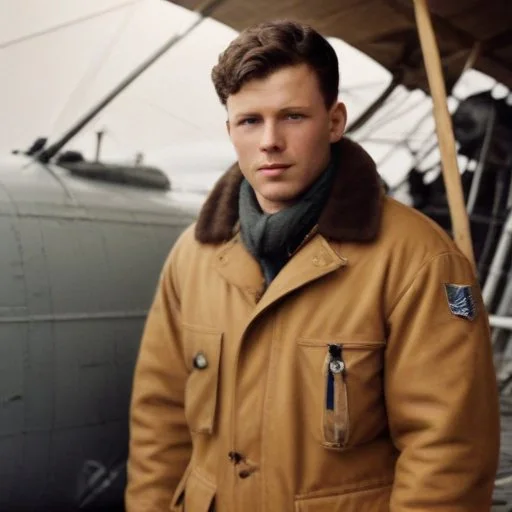
Lindbergh's personality was as fascinating as his flight. He was a introverted and humble individual who shied away from the spotlight, yet possessed an unwavering confidence in his abilities. His strong sense of determination and perseverance helped him overcome numerous obstacles, including his own self-doubt.
Lindbergh's love for flying was not just about the thrill of adventure, but also about the science and art of aviation. He was a meticulous planner and a skilled engineer, often spending hours in his workshop, tinkering with machines and finding innovative solutions to complex problems.
Cultural Influence Analysis
Lindbergh's Flight: A Cultural Phenomenon
The impact of Lindbergh's flight on popular culture was immense. He became an overnight sensation, with his name and face appearing on everything from newspapers to coffee cups. The flight sparked a wave of "Lindbergh fever," with people from all over the world clamoring to catch a glimpse of the young aviator.
The flight also inspired a new generation of Americans to take to the skies. As air travel became more accessible and affordable, people began to see flying as a symbol of freedom and adventure, rather than just a mode of transportation.
Study of Technology Effects
The Technological Marvel of the Spirit of St. Louis
Lindbergh's aircraft, the Spirit of St. Louis, was a technological marvel in its time. Custom-built by Ryan Airlines, the plane was designed to be lightweight, yet powerful enough to carry Lindbergh across the Atlantic.
The Spirit of St. Louis featured a unique blend of innovative designs, including a streamlined fuselage, a powerful Wright J-5C engine, and a custom-built fuel system. The plane's lightweight structure and efficient engine enabled it to stay aloft for extended periods, making the transatlantic flight possible.

Broad Historical Examination
The Road to Paris: The Forgotten Stages of Lindbergh's Journey
While Lindbergh's solo flight across the Atlantic is well-known, the stages leading up to it are often overlooked. In the months preceding the flight, Lindbergh embarked on a series of grueling tests and rehearsals, flying the Spirit of St. Louis across the United States and North Africa.
These practice runs were crucial in refining Lindbergh's skills and testing the plane's capabilities. He faced numerous challenges, including treacherous weather conditions, mechanical issues, and logistical hurdles, but persevered, determined to make his historic flight a success.
In-Depth Economic Examination
The Economic Impact of Lindbergh's Flight
Lindbergh's flight had a profound impact on the aviation industry, sparking a surge in investment and innovation. The flight demonstrated the feasibility of transatlantic air travel, paving the way for the development of commercial airlines.
The economic benefits of Lindbergh's flight were immediate and far-reaching. The flight boosted tourism, stimulated economic growth, and created new job opportunities. It also led to significant investments in airport infrastructure, air traffic control systems, and aircraft manufacturing.


