


The Chernobyl disaster, one of the most devastating nuclear accidents in history, is infamous for releasing massive quantities of radioactive materials into the atmosphere, contaminating vast areas, and claiming thousands of lives. This catastrophic event, which occurred on April 26, 1986, remains a haunting reminder of the importance of nuclear safety and the devastating consequences of human error.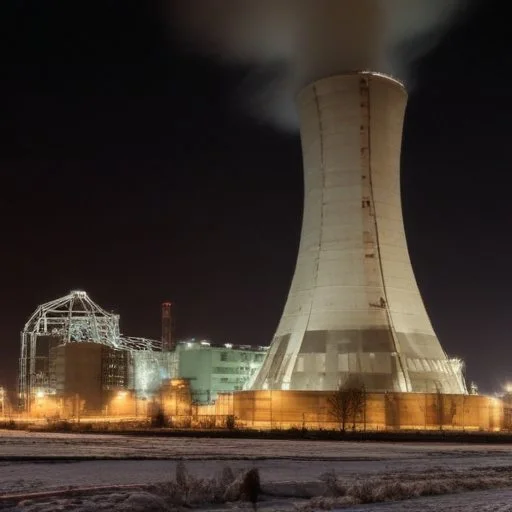
In the midst of the Cold War, the Soviet Union was in the process of expanding its nuclear power program. The Chernobyl Nuclear Power Plant, located in the Ukrainian Soviet Socialist Republic, was designed to meet the increasing energy demands of the region. The plant's four reactors, each capable of producing 1,000 megawatts of electricity, were intended to be a symbol of Soviet technological prowess.
On April 25, 1986, a routine safety test was scheduled to take place on Reactor 4. The test aimed to determine how long the turbines would keep spinning and generating electricity in the event of a loss of power to the main cooling pumps. However, a combination of human error, design flaws, and a lack of safety protocols would ultimately prove catastrophic.
In the immediate aftermath of the disaster, 28 people lost their lives, including 23 operators and firefighters who heroically attempted to contain the disaster. The true extent of the catastrophe, however, would only become apparent in the years to come. Thousands of people would succumb to radiation-related illnesses, and over 100,000 would be forced to evacuate their homes.
The Chernobyl disaster had a profound impact on the nuclear industry, leading to a reevaluation of safety protocols and regulations worldwide. It also sparked a global anti-nuclear movement, with many calling for a shift towards renewable energy sources.
One of the most poignant accounts of the disaster comes from Lyudmila Ignatenko, the wife of a firefighter who perished in the explosion. In her memoir, "Chernobyl: The Untold Story," she recounts the tragic events and the devastating impact on her family and community.
The Chernobyl disaster served as a wake-up call for the nuclear industry, leading to the development of more stringent safety regulations and protocols. It also paved the way for the creation of international organizations, such as the World Association of Nuclear Operators, dedicated to promoting nuclear safety and best practices.
Below is a visual representation of the key events surrounding the Chernobyl disaster:
| April 25, 1986 | Safety test begins on Reactor 4 |
| 1:24 a.m. | Steam explosion ruptures reactor vessel |
| April 27, 1986 | Evacuation of nearby residents begins |
| May 1986 | International Atomic Energy Agency (IAEA) sends team to investigate |
| 1991 | Chernobyl Nuclear Power Plant is officially closed |
The Chernobyl disaster serves as a powerful reminder of the importance of nuclear safety and the need for continued research and innovation in the field. It also highlights the resilience and bravery of those who risked their lives to contain the disaster.
As we continue to navigate the complexities of nuclear power, the Chernobyl disaster stands as a poignant reminder of the devastating consequences of human error and the importance of prioritizing safety above all else.
The Chernobyl disaster had a profound impact on popular culture, inspiring numerous films, books, and documentaries. One of the most notable examples is the HBO miniseries "Chernobyl," which tells the story of the disaster and its aftermath. The show's success can be attributed to its gripping narrative and attention to detail, which helps to humanize the victims and heroes of the tragedy.
The disaster also influenced music, with numerous bands and artists referencing it in their work. For example, the Ukrainian black metal band Drudkh wrote an album inspired by the disaster, titled "Eastern European Folk Music." The album's lyrics reflect on the disaster's impact on the environment and human psyche.
The Chernobyl disaster has also become a cultural symbol, representing the dangers of nuclear power and the importance of safety protocols. It has been referenced in countless memes, cartoons, and advertisements, often serving as a cautionary tale.

Alexei Ananenko, a 36-year-old engineer, was part of the team that risked their lives to drain the coolant ponds beneath the damaged reactor. Ananenko, along with two other men, Valeri Bezpalov and Boris Baranov, volunteered for the dangerous task, knowing that it could be fatal.
Ananenko's bravery and selflessness during the crisis are a testament to the heroism displayed by many in the aftermath of the disaster. His actions, along with those of his colleagues, helped to prevent a complete meltdown of the reactor and reduce the risk of further radioactive contamination.
The Chernobyl disaster released large quantities of radioactive materials into the environment, contaminating vast areas of land and water. The nearby forest, now known as the "Red Forest," was particularly affected, with many trees dying off due to radiation poisoning.
The disaster also had a significant impact on local wildlife, with many species experiencing genetic mutations and birth defects. For example, the radioactive contamination led to the development of glow-in-the-dark mushrooms, which have become a symbol of the disaster's environmental impact.
The environmental consequences of the disaster are still being felt today, with ongoing efforts to contain and remediate the affected areas.

The Chernobyl disaster led to significant advancements in nuclear safety technology, including the development of more robust containment structures and improved cooling systems. The disaster also spurred the creation of international safety standards and regulations, such as the Convention on Nuclear Safety.
The disaster highlighted the importance of human factors in nuclear safety, leading to increased focus on operator training and human-centered design. It also accelerated the development of passive safety systems, which can cool a reactor without the need for an external power source.
The technological innovations inspired by the Chernobyl disaster have improved the safety of nuclear power plants worldwide, reducing the risk of similar accidents in the future.
The Geopolitical Context of the Chernobyl Disaster
The Chernobyl disaster occurred during a period of heightened tensions between the Soviet Union and the West, with the Cold War still raging. The disaster was initially shrouded in secrecy, with the Soviet government attempting to downplay its severity.
The international response to the disaster was marked by a sense of mistrust, with Western nations accusing the Soviet Union of covering up the true extent of the disaster. This led to increased diplomatic tensions between East and West, with the disaster becoming a symbol of the dangers of nuclear power and the lack of transparency in the Soviet Union.