


The Chilean government was forced to declare a state of emergency in the southern half of the country in 1995, as an extraordinary weather phenomenon, known as the White Earthquake, brought the region to a standstill. This rare and intense event is characterized by fierce winds, torrential rains, and heavy snowfall, earning its ominous title due to the sheer scale of destruction it causes.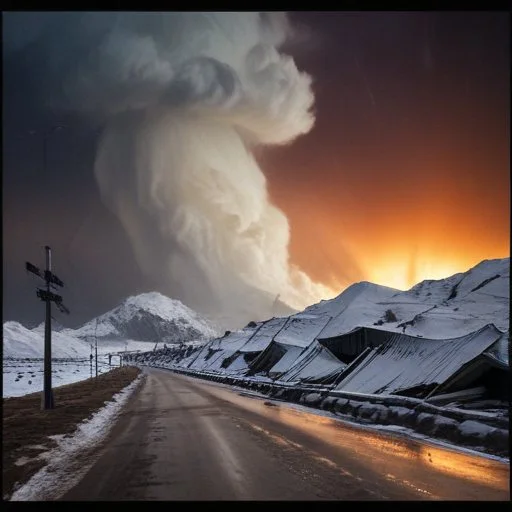
The White Earthquake is a unique and extreme weather pattern that occurs when a combination of atmospheric and oceanic conditions come together to create a perfect storm. It is marked by unusually cold temperatures, accompanied by winds of over 100 km/h, and precipitation in the form of heavy snowfall and rain. The result is a catastrophic disruption to daily life, infrastructure, and the environment.
On this fateful day, the White Earthquake brought chaos to southern Chile, crippling infrastructure, disrupting daily life, and leaving thousands without power or access to basic necessities. The government was forced to take drastic measures to safeguard its citizens, declaring a state of emergency to mobilize resources and respond to the crisis.
The White Earthquake had a devastating impact on the environment, human settlements, and the economy. The extreme weather conditions led to:
In response to the crisis, the Chilean government mobilized its emergency services, deploying troops, medical personnel, and aid to affected areas. The international community also rallied to provide support, with countries such as Argentina and the United States offering assistance.
The recovery efforts were led by the government, in collaboration with local authorities, NGOs, and international organizations. The focus was on providing aid to affected communities, rebuilding infrastructure, and supporting the recovery of the economy.
The White Earthquake served as a wake-up call for Chile, highlighting the need for improved disaster preparedness and response mechanisms. The event led to a review of the country's emergency management systems, resulting in the development of more effective early warning systems and response protocols.
The White Earthquake also raised awareness about the importance of sustainable development and environmental stewardship. The event underscored the need for responsible resource management, climate change mitigation, and adaptation strategies to minimize the impact of extreme weather events.
The White Earthquake was a devastating event that tested the resilience of Chile and its people. While the impact was severe, the response and recovery efforts demonstrated the strength of the Chilean spirit and the importance of community, cooperation, and determination in the face of adversity.
As we look to the future, we must acknowledge the power of nature and our responsibility to protect the environment. The White Earthquake serves as a reminder of the importance of sustainable development, disaster preparedness, and responsible resource management to ensure a safer, more resilient world for generations to come.
The White Earthquake had a profound impact on the environment, with widespread deforestation, landslides, and flooding affecting the region's delicate ecosystem. The event highlighted the need for sustainable land use practices, watershed management, and reforestation efforts to mitigate the effects of such disasters. In the aftermath, the Chilean government established several national parks and protected areas to conserve the country's biodiversity and natural resources.
The White Earthquake also brought attention to the importance of disaster risk reduction and management in the face of climate change. The event underscored the need for early warning systems, climate-resilient infrastructure, and community-based adaptation initiatives to reduce the vulnerability of ecosystems and communities to extreme weather events.

The White Earthquake shares similarities with other extreme weather events around the world, such as the 1993 Superstorm in the United States and the 2010 European Winter in Europe. All three events were characterized by intense snowfall, high winds, and widespread disruption. However, the White Earthquake stands out due to its unique combination of atmospheric and oceanic conditions, which made it one of the most destructive weather events in Chile's history.
In terms of impact, the White Earthquake is comparable to Hurricane Katrina in 2005, which devastated the Gulf Coast of the United States. Both events highlighted the need for improved disaster preparedness, response, and recovery mechanisms, as well as the importance of addressing social and economic vulnerabilities in the face of natural disasters.
The White Earthquake was not the first extreme weather event to affect Chile. In 1960, a devastating earthquake and tsunami struck the country, causing widespread destruction and loss of life. Similarly, in 1983, a severe drought affected the country's agricultural sector, leading to food shortages and economic instability.
However, the White Earthquake was unique in its intensity and impact. It was the first time that the country experienced such a powerful combination of winds, rain, and snow, which resulted in catastrophic consequences. The event marked a turning point in Chile's approach to disaster management, highlighting the need for improved preparedness, response, and recovery mechanisms.

The White Earthquake occurred during a period of significant geopolitical change in Chile. The country was in the midst of a transition from a military dictatorship to a democratic government, and the event posed a significant challenge to the new administration.
The government's response to the crisis was seen as a test of its legitimacy and effectiveness, and it was crucial in building trust with the Chilean people. The event also highlighted the importance of regional cooperation and international assistance in responding to natural disasters, as seen in the support provided by neighboring countries and international organizations.
The White Earthquake raised important questions about the relationship between nature and human society. The event highlighted the vulnerability of human settlements and infrastructure to extreme weather events, and underscored the need for sustainable development and environmental stewardship.
The event also sparked debates about the role of government in responding to natural disasters, and the balance between individual freedom and collective responsibility in the face of crisis. Ultimately, the White Earthquake served as a catalyst for reflection and action on the importance of living in harmony with the environment and building resilient communities.