


In a historic upset, the Chilean opposition coalition handed a crushing defeat to Augusto Pinochet's bid for another eight-year term as president, paving the way for the country's transition to democracy. On October 5, 1988, the Chilean people rejected Pinochet's rule, marked by human rights abuses and economic stagnation, with a resounding 54.7% of the vote.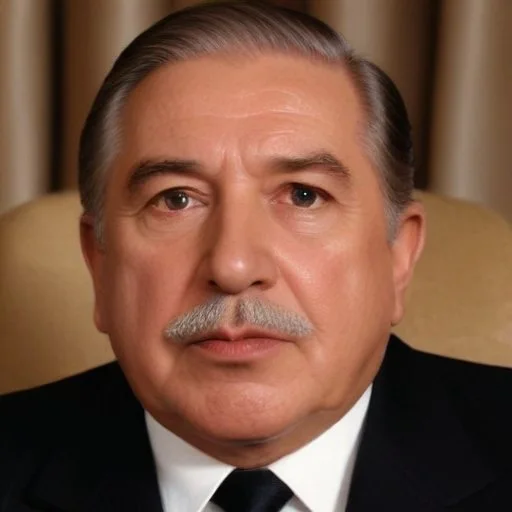
Pinochet's regime, which began in 1973, was marked by widespread human rights abuses, forced disappearances, and torture. Despite the brutal suppression of dissent, opposition movements continued to simmer, fueled by the suffering of the Chilean people. The Catholic Church, led by the courageous Archbishop of Santiago, Raúl Silva Henríquez, played a pivotal role in providing a platform for the opposition to organize and speak out against the regime.
The opposition coalition, comprised of 16 political parties, including the Christian Democrats, Socialists, and Communists, coalesced around the charismatic leadership of Patricio Aylwin. This unlikely alliance of former adversaries presented a united front against Pinochet's attempts to cling to power. The coalition's campaign, dubbed "No" (Spanish for "no"), resonated with the Chilean people's growing discontent with the regime's authoritarianism and economic mismanagement.
The defeat of Pinochet's reelection bid had far-reaching consequences for Chile and beyond. The country's transition to democracy paved the way for the revival of political freedoms, the rebuilding of the economy, and the establishment of truth and reconciliation commissions to investigate human rights abuses.
The "No" campaign's use of cultural icons, such as the popular Chilean singer-songwriter Víctor Jara, and its emphasis on family and community, helped to galvanize support among ordinary Chileans. The movement's slogan, "Chile, la alegría ya viene" (Chile, joy is coming), captured the country's longing for freedom and democracy.
"The 'no' is not just a word, it's a shout of freedom, a cry of hope, a declaration of independence." – Patricio Aylwin
The Chilean opposition's triumph inspired democracy movements across Latin America and beyond. The coup's failure to maintain power marked a turning point in Chile's history, paving the way for its emergence as a beacon of democracy in the region.
In this bittersweet triumph, the Chilean people rejected the darkness of tyranny, embracing instead the hope and promise of democracy. Their bravery and resilience continue to inspire generations, a testament to the indomitable human spirit.
La alegría ya viene.
Patricio Aylwin: The Unlikely Hero of Chile's Democracy
Patricio Aylwin, a lawyer and politician, emerged as the leader of the opposition coalition that brought an end to Pinochet's tyranny. Aylwin's charisma and ability to unite disparate groups played a crucial role in the "No" campaign's success. His commitment to democracy and human rights earned him international recognition, and he became a symbol of hope for Chileans.
Aylwin's leadership style was marked by his ability to listen and compromise, which helped to foster a sense of unity among the opposition parties. His message of hope and change resonated with the Chilean people, who were tired of living under Pinochet's authoritarian rule.

The Cultural Significance of the "No" Campaign
The "No" campaign's use of cultural icons, such as Víctor Jara, was a deliberate attempt to reclaim Chile's rich cultural heritage from the regime's propaganda machinery. Jara's music, which was banned under Pinochet, became a symbol of resistance and hope. The campaign's slogan, "Chile, la alegría ya viene," captured the country's longing for freedom and democracy.
The "No" campaign's emphasis on family and community helped to galvanize support among ordinary Chileans. The movement's use of cultural symbols and imagery helped to create a sense of shared identity and purpose, which was essential in building a broad-based coalition against Pinochet's rule.
The Political Aftermath of Pinochet's Defeat
The defeat of Pinochet's reelection bid marked a significant turning point in Chile's political history. The opposition coalition's victory paved the way for the country's transition to democracy, which was cemented by Patricio Aylwin's election as president in 1989.
The new democratic government faced the daunting task of rebuilding the country's institutions and addressing the human rights abuses of the Pinochet era. The establishment of truth and reconciliation commissions helped to provide closure for the victims of the regime and paved the way for national reconciliation.

The Regional and Global Implications of Chile's Democratic Transition
Chile's transition to democracy had far-reaching implications for the region and beyond. The defeat of Pinochet's regime marked a significant shift in the global geopolitical landscape, as it signaled the decline of authoritarianism in Latin America.
The Chilean Experience inspired democracy movements across the region, from Argentina to Uruguay, and beyond. The country's successful transition to democracy demonstrated that peaceful, democratic change was possible, even in countries with a history of authoritarian rule.
Social Movements and Grassroots Activism in Chile's Democratic Transition
The "No" campaign's success was due in large part to the grassroots activism of social movements, including women's groups, trade unions, and human rights organizations. These movements played a crucial role in mobilizing public opinion against Pinochet's rule and in building support for the opposition coalition.
The campaign's emphasis on family and community helped to galvanize support among ordinary Chileans, who were tired of living under authoritarian rule. The movement's use of nonviolent resistance tactics, such as boycotts and demonstrations, helped to create a sense of public urgency around the need for democratic change.