


On April 26, 1994, China Airlines Flight 140 etched its name into the annals of aviation history as one of the deadliest plane crashes of all time. The ill-fated Airbus A300B4, carrying 271 passengers and crew, met its demise on the runway of Nagoya Airport in Japan, claiming the lives of 264 people and leaving a trail of devastation in its wake.
Flight 140 was a routine scheduled flight from Taiwan's Chiang Kai-shek International Airport to Nagoya Airport, a popular tourist destination in Japan. The brand-new Airbus A300B4, registered as B-1816, was piloted by Captain Wang Lochi and First Officer Chuang Mengjung, both experienced aviators with thousands of hours of flying time under their belts. As the plane began its descent into Nagoya Airport, there was no indication of the tragedy that was to unfold.
The pilot's efforts to touch down safely were in vain as the plane suddenly veered off course, struck the runway, and burst into flames. The impact was catastrophic, with the plane disintegrating into a fireball that engulfed the surrounding area. Emergency services were quickly summoned, but the sheer scale of the disaster left them battling to rescue survivors. In the end, only seven people managed to escape the inferno, leaving 264 others to perish in the deadliest aviation disaster in Japanese history.
The investigation into the crash of Flight 140 was one of the most extensive in aviation history. Experts from Taiwan, Japan, and France (where the Airbus A300B4 was manufactured) worked tirelessly to uncover the root cause of the tragedy. The findings pointed to a combination of human error and technical malfunction. The pilots' decision to engage the autopilot system during the landing phase, coupled with a faulty throttle sensor, created a perfect storm of circumstances that ultimately led to the crash.
The crash of China Airlines Flight 140 sent shockwaves around the world, sparking a major overhaul of aviation safety procedures. The tragedy led to significant improvements in pilot training, aircraft design, and emergency response protocols. In Taiwan, the incident led to a major shake-up of the aviation industry, with a renewed focus on safety and quality control. Today, the memory of the victims serves as a poignant reminder of the importance of vigilance and safety in the skies.
The victims of China Airlines Flight 140 will never be forgotten. Their lives were tragically cut short in a moment of unimaginable horror, leaving behind loved ones, friends, and a community in mourning. As we reflect on this dark day in aviation history, we honor their memory and reaffirm our commitment to safety in the skies.
The crash of China Airlines Flight 140 is often compared to other significant aviation disasters, such as the 1977 Tenerife airport disaster and the 1983 Japan Airlines Flight 123 crash. While these incidents share some similarities, they also highlight distinct differences in terms of causes, circumstances, and consequences. For instance, the Tenerife disaster was primarily attributed to communication errors, whereas the Flight 140 crash was caused by a combination of human error and technical malfunction.
In contrast, the Japan Airlines Flight 123 crash was primarily caused by a faulty repair job on the aircraft's rear pressure bulkhead. This incident led to significant changes in maintenance procedures and quality control measures. A comparative analysis of these disasters reveals that while the aviation industry has made significant strides in improving safety, there is still much to be learned from past tragedies.

The crash of China Airlines Flight 140 had a profound impact on Taiwanese culture, particularly in terms of travel and air safety. The incident led to a significant increase in anxiety and fear among Taiwanese travelers, many of whom avoided flying for years after the crash. The tragedy also sparked a renewed focus on safety and quality control in the Taiwanese aviation industry.
Furthermore, the incident had a lasting impact on the families of the victims, many of whom were left to grapple with the trauma and grief of losing loved ones. The crash also led to changes in the way that Taiwanese authorities respond to aviation incidents, with a greater emphasis on transparency, communication, and support for affected families.
Historians and scholars have approached the China Airlines Flight 140 tragedy from various perspectives, offering insights into the incident's causes, consequences, and significance. Some have focused on the technical aspects of the crash, analyzing the role of human error and technical malfunction in the incident.
Others have examined the tragedy's impact on the aviation industry as a whole, including the subsequent reforms and safety improvements. Still, others have explored the incident's cultural and social significance, including its effects on Taiwanese identity and national psyche.
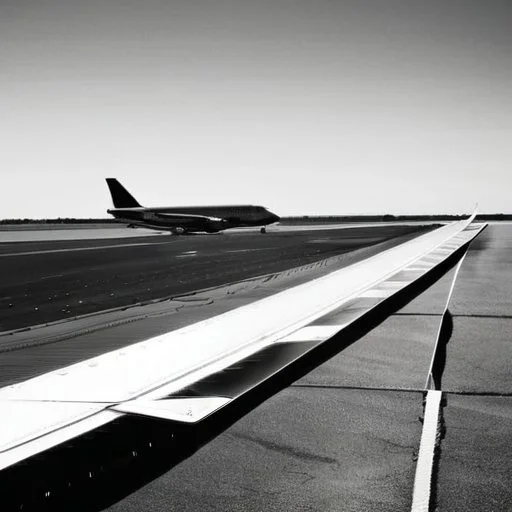
The economic impact of the China Airlines Flight 140 crash was significant, with estimated losses totaling hundreds of millions of dollars. The incident led to a decline in air travel demand, particularly among Taiwanese travelers, resulting in revenue losses for airlines and related industries.
The crash also had a ripple effect on the Taiwanese economy, with tourism and hospitality industries feeling the pinch. However, the incident also sparked a renewed focus on safety and quality control, leading to long-term benefits for the aviation industry and the broader economy.
The China Airlines Flight 140 crash led to significant technological advancements in the aviation industry, particularly in the areas of autopilot systems and throttle sensor design. The incident highlighted the need for more reliable and fail-safe systems, leading to the development of new technologies and safety protocols.
Furthermore, the crash accelerated the adoption of advanced safety features, such as terrain-following radar and enhanced collision avoidance systems. These technological advancements have since become standard in the aviation industry, significantly reducing the risk of similar tragedies in the future.