Christopher Columbus lands in Cuba, thinking it's Japan
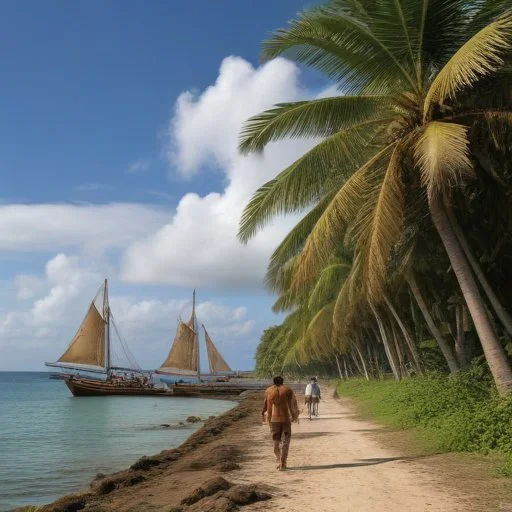
Columbus's crew spotted the towering palm trees and lush greenery of an unfamiliar land, thinking they'd finally reached the East Indies. The Italian explorer, convinced he'd navigated to Japan, stepped ashore in present-day Cuba, October 28, 1492. With a mixture of excitement and confusion, Columbus and his men encountered the Taino people, trading goods and learning about the native way of life. Though far from his intended destination, this chance encounter marked the beginning of a new era in cross-cultural exchange and the reshaping of the Americas.
Christopher Columbus' Historic Blunder: Landing in Cuba, Thinking it's Japan
A Turning Point in History
On October 28, 1492, Christopher Columbus set foot on the shores of present-day Cuba, marking a turning point in history that would change the course of cross-cultural exchange and the Americas forever. This momentous occasion, however, was not exactly what Columbus had planned – he was convinced he had reached Japan.
The Voyage Begins
Columbus' first voyage to the New World was a culmination of years of planning and persuasion. After convincing King Ferdinand and Queen Isabella of Spain to fund his expedition, Columbus set sail from the port of Palos, Spain on August 3, 1492, with a fleet of three ships: the Santa Maria, the Pinta, and the Niña.
The Unexpected Landing
After weeks at sea, Columbus' crew spotted the towering palm trees and lush greenery of an unfamiliar land. With excitement and confusion, Columbus and his men anchored their ships in a natural harbor, which they named San Salvador. Believing they had reached the East Indies, Columbus was thrilled to have finally achieved his goal.
A Glimpse into the Unknown
As Columbus and his men ventured onto the island, they encountered the Taino people, a indigenous tribe that inhabited the region. The Taino were warm and welcoming, and Columbus was fascinated by their way of life. He traded goods with the Taino, including beads and trinkets for food and other provisions.
A Misconception Takes Root
Despite the initial excitement, Columbus' conviction that he had reached Japan soon became apparent. He referred to the Taino people as "Indians," believing them to be subjects of the Grand Khan of China. This misconception would have far-reaching consequences, shaping the course of European exploration and colonization in the Americas.
A New Era in Cross-Cultural Exchange
Columbus' chance encounter with the Taino people marked the beginning of a new era in cross-cultural exchange. While Columbus' voyage was motivated by a desire to find a new trade route to Asia, it ultimately led to the exchange of ideas, cultures, and technologies between Europe and the Americas.
Key Figures Involved
- Christopher Columbus: Italian explorer and navigator who led the first voyage to the New World.
- King Ferdinand and Queen Isabella of Spain: Provided funding and support for Columbus' expedition.
- The Taino People: Indigenous tribe that inhabited the region of present-day Cuba.
Major Outcomes and Impacts
- Establishment of European presence in the Americas.
- Beginning of cross-cultural exchange between Europe and the Americas.
- Shaping of European exploration and colonization in the Americas.
Personal Accounts and Anecdotes
Columbus' journal entries provide a unique glimpse into his thoughts and experiences during this historic voyage. In his journal, Columbus wrote, "I have not found any monstrous men or any men with dogs' faces... On the contrary, the whole population is very well disposed and very tender-hearted."
Impact on Future Events
Columbus' voyage set the stage for future European exploration and colonization in the Americas. It paved the way for the establishment of Spanish, Portuguese, French, and British colonies, which would shape the course of American history.
Trivia and Fun Facts
- Columbus' voyage was initially funded by the King and Queen of Spain, but he also received support from Italian investors.
- The Nina, one of Columbus' ships, was originally named the Santa Clara.
- Columbus' journal is one of the most valuable and important historical documents in existence today.
Conclusion
Christopher Columbus' historic blunder, landing in Cuba and thinking it was Japan, marked a turning point in history that would have far-reaching consequences. This chance encounter between two vastly different cultures paved the way for cross-cultural exchange, exploration, and colonization in the Americas. As we look back on this momentous occasion, we are reminded of the power of human curiosity and the importance of understanding and respecting the cultures that shape our world.
Full Historical Discourse
Columbus' voyage was not the first attempt to reach Asia by sea. In the 15th century, the Portuguese had already established a route to Asia via the Cape of Good Hope. However, Columbus believed that he could find a shorter and more efficient route by sailing west across the Atlantic.
This idea was not entirely new, as ancient Greeks such as Aristotle and Eratosthenes had proposed that it was possible to reach Asia by sailing west. Columbus was influenced by these ideas and spent years studying the works of ancient Greeks and medieval scholars.
Despite being aware of the Portuguese route, Columbus was convinced that he could find a more direct route to Asia. He spent years persuading the monarchs of Europe to fund his expedition, eventually securing the support of King Ferdinand and Queen Isabella of Spain.
Character Analysis
King Ferdinand and Queen Isabella of Spain played a crucial role in financing Columbus' voyage. The Spanish monarchs were eager to expand their empire and saw Columbus' plan as an opportunity to gain access to the riches of Asia.
The King and Queen were not only financial backers but also provided Columbus with the necessary resources and support to undertake the voyage. They granted him a Letter of Credit, which allowed him to commandeer ships and supplies from the port of Palos.
In return for their support, Columbus promised the King and Queen a share of the riches he would bring back from Asia. This agreement would have far-reaching consequences, shaping the course of Spanish colonization in the Americas.
Thorough Cultural Analysis
The Taino people, indigenous to the Caribbean, had a profound impact on Columbus' voyage. Their warm welcome and generosity towards Columbus and his men set the tone for the initial stages of European exploration in the Americas.
The Taino introduced Columbus to new crops, such as corn and cassava, which would become staples in European colonies. They also shared their knowledge of the island, providing Columbus with valuable information about the geography and resources of the region.
Comprehensive Economic Impact Review
Columbus' voyage had significant economic implications for both Europe and the Americas. The establishment of a new trade route between the Old and New Worlds opened up new markets and opportunities for commerce.
The discovery of gold and other precious resources in the Americas sparked a gold rush, drawing thousands of Europeans to the New World in search of wealth. The exploitation of these resources would shape the course of European colonialism and have lasting impacts on the economies of the Americas.
Rich Geopolitical Insight
Columbus' voyage took place during a time of intense geopolitical rivalry between European powers. The Portuguese, Spanish, French, and British were all vying for control of the seas and access to the riches of the East Indies.
The success of Columbus' voyage gave Spain a temporary advantage in the race for colonial expansion. However, it also sparked a wave of counter-claims and rival expeditions, as other European powers sought to challenge Spanish dominance in the Americas.


