


The Riverfront Coliseum concert crush, also known as the Who Concert Tragedy, is a heartbreaking event that occurred on December 3, 1979, in Cincinnati, Ohio. It's a night that will forever be etched in music history as one of the deadliest concert tragedies, claiming the lives of 11 innocent fans.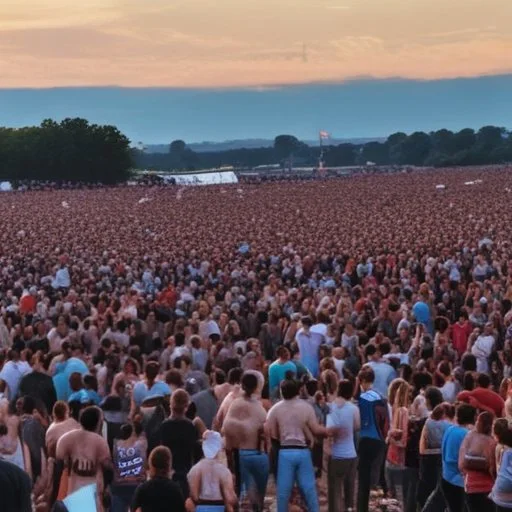
On that chilly winter night, thousands of fans gathered outside the Riverfront Coliseum, eagerly waiting to secure a good spot for The Who's highly anticipated concert. The British rock band, known for their powerful performances, was set to take the stage, and the excitement was palpable. However, the anticipation soon turned to chaos as the crowd surged forward, eager to get closer to the action.
In the ensuing chaos, the crowd pushed and shoved, creating a suffocating crush on the concourse outside the venue. The scene was one of unimaginable horror, with people trapped and screaming for help as they were crushed beneath the weight of the crowd. The mayhem was so intense that even the venue's security and police struggled to maintain order.
As the dust settled, the devastating reality became clear: 11 young lives had been lost, and many more were injured. The city of Cincinnati was left reeling in shock, trying to come to terms with the tragedy that had unfolded on its doorstep.
The Riverfront Coliseum concert crush led to a major overhaul of concert safety measures. The tragedy served as a wake-up call, highlighting the need for better crowd control, emergency preparedness, and safety protocols. The music industry as a whole was forced to re-examine its priorities, putting the well-being of fans above all else.
The Who, unaware of the tragedy that had unfolded outside, took the stage, performing to a crowd oblivious to the heartbreak that had just occurred. When the band learned of the devastating loss of life, they were left distraught, and their performance was forever marred by the tragedy.
The Riverfront Coliseum concert crush will always be remembered as a tragic reminder of the importance of safety and crowd control. The 11 young lives lost that night will never be forgotten, and their memory continues to inspire change in the music industry.
May their memory live on, and may their sacrifice never be forgotten.
The Riverfront Coliseum concert crush had a profound impact on the music industry's cultural landscape. In the aftermath of the tragedy, concert promoters and venues across the country re-examined their safety protocols, leading to widespread adoption of more stringent crowd control measures. The incident also sparked a national conversation about the importance of fan safety, with many artists and industry insiders calling for greater accountability and transparency.
The tragedy also had a significant impact on the city of Cincinnati, with many residents struggling to come to terms with the loss of life on their doorstep. The incident led to a period of soul-searching, with many asking how such a tragedy could have occurred in their community. The city's music community came together to support the victims' families, with many local artists and musicians performing benefit concerts to raise funds for the bereaved.
The incident also had a lasting impact on The Who's music and performances, with the band incorporating more subtle and understated stage designs in the years following the tragedy. The incident also led to a greater emphasis on fan safety and security, with the band working closely with promoters and venues to ensure that similar tragedies could be avoided in the future.
The historiographical significance of the Riverfront Coliseum concert crush cannot be overstated. The incident marked a turning point in the way historians approached the study of crowd behavior and riot control, with many scholars drawing parallels between the Cincinnati tragedy and other notable crowd disasters throughout history.
Historians have also examined the incident through the lens of social and cultural change, with many arguing that the tragedy was a symptom of a broader societal malaise. The late 1970s were a time of great social upheaval, with many young people feeling disillusioned and disconnected from mainstream society. The Who's music, with its themes of rebellion and nonconformity, spoke to this sense of disillusionment, and the tragedy at Riverfront Coliseum can be seen as a manifestation of this same energy.
Others have drawn parallels between the incident and other notable tragedies, such as the Heysel Stadium disaster and the Hillsborough disaster, highlighting the need for greater attention to crowd safety and control in public events.
One of the most fascinating figures in the story of the Riverfront Coliseum concert crush is Pete Townshend, The Who's guitarist and principal songwriter. Townshend was known for his intense live performances, which often bordered on the chaotic and destructive. However, in the aftermath of the tragedy, Townshend was left devastated, and his music reflected this sense of shock and grief.
In the years following the incident, Townshend became an outspoken advocate for fan safety and security, working closely with promoters and venues to ensure that similar tragedies could be avoided in the future. His music also took on a more introspective and contemplative tone, reflecting the sense of loss and tragedy that he felt in the aftermath of the incident.
Townshend's response to the tragedy was shaped by his own sense of guilt and responsibility, and his music continues to reflect this sense of introspection and soul-searching to this day.
The economic impact of the Riverfront Coliseum concert crush was significant, with the incident leading to a major overhaul of the concert promotion and venue management industries. The tragedy led to a surge in lawsuits and claims against promoters and venues, leading to a significant increase in insurance costs and liability premiums.
The incident also had a major impact on the city of Cincinnati's economy, with the city's tourism and entertainment industries taking a significant hit in the aftermath of the tragedy. The incident led to a decline in concert attendance and ticket sales, as many fans became more cautious and risk-averse in the wake of the tragedy.
The tragedy also led to a shift in the way concerts were promoted and marketed, with a greater emphasis on safety and security, and a more cautious approach to crowd management and control.
The Riverfront Coliseum concert crush is well-documented through a range of artifacts and primary sources, including police reports, eyewitness accounts, and news footage of the incident. One of the most significant artifacts is the incident report filed by the Cincinnati Police Department, which provides a detailed and firsthand account of the tragedy.
Other significant artifacts include the coroner's reports and autopsy results, which provide a detailed and technical account of the causes of death and injuries sustained during the incident. These documents are a sobering reminder of the human cost of the tragedy, and provide a powerful insight into the events of that fateful night.
The incident is also documented through a range of visual and audio artifacts, including news footage, photographs, and audio recordings of the concert and the aftermath of the tragedy. These artifacts provide a powerful and emotive record of the incident, and are an important part of the historical record.