


The catastrophic explosion at the Chernobyl Nuclear Power Plant in 1986 is widely regarded as the most devastating nuclear accident in history, and the subsequent evacuation of the nearby city of Pripyat remains one of the most poignant and enduring images of the 20th century.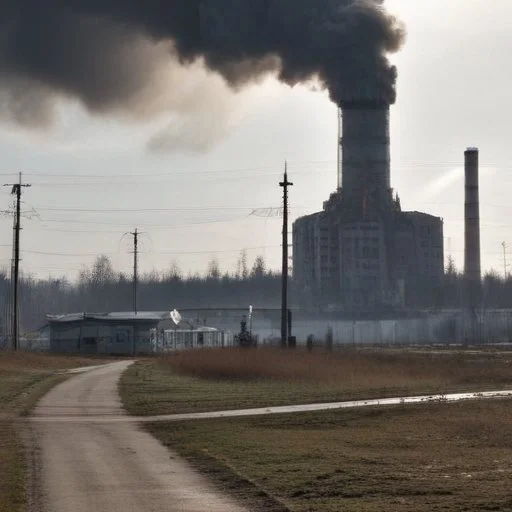
The explosion, which occurred in the early morning hours of April 26, 1986, released an enormous amount of radioactive material into the atmosphere, contaminating a vast area and putting the lives of hundreds of thousands of people at risk. The city of Pripyat, once a thriving community of 49,000 residents, was hastily abandoned, leaving behind a ghost town that remains largely untouched to this day.
In the years leading up to the disaster, the Soviet Union's nuclear energy program had experienced significant growth, with the Chernobyl plant being one of the largest and most ambitious projects of its kind. The plant's Reactor 4, where the accident occurred, was designed to provide electricity to the surrounding region, including the city of Kiev.
Among the key figures involved in the events surrounding the disaster were Anatoly Dyatlov, the plant's deputy chief engineer, and Nikolai Fomin, the chief engineer. Their decisions and actions in the hours leading up to the accident have been widely criticized and remain a subject of controversy to this day.
The sequence of events leading up to the accident was as follows:
The Chernobyl disaster had far-reaching consequences, both immediate and long-term. The immediate effects included:
In the longer term, the disaster led to a re-evaluation of nuclear safety standards worldwide, as well as significant advances in the development of containment structures and emergency response protocols.
The Chernobyl disaster has had a profound impact on popular culture, inspiring numerous films, books, and documentaries. The abandoned city of Pripyat has become a haunting symbol of the dangers of nuclear power, as well as a testament to the transience of human existence.
The Chernobyl disaster has been the subject of numerous controversies, including debates over the role of human error versus design flaws in the accident, as well as the adequacy of the Soviet authorities' response to the disaster.
Despite these controversies, the disaster has also inspired significant advances in nuclear safety and emergency response, as well as a greater awareness of the risks and challenges associated with nuclear energy.
One of the most poignant accounts of the disaster comes from Natalia Petrivna, a resident of Pripyat who was evacuated along with her family in the hours following the accident. In her words:
"We left behind everything we knew and loved. Our homes, our friends, our entire lives. It was as if we were leaving behind a part of ourselves."
The Chernobyl disaster has had a significant impact on the development of nuclear energy worldwide, leading to a greater emphasis on safety and containment, as well as the development of alternative energy sources.
In conclusion, the Chernobyl disaster remains one of the most significant and enduring events of the 20th century, a haunting reminder of the dangers and challenges associated with nuclear energy.
The Chernobyl disaster was not an isolated incident, but rather the culmination of a series of events and decisions that began years prior. In the 1970s, the Soviet Union's nuclear energy program was expanding rapidly, with the Chernobyl plant being one of the largest and most ambitious projects of its kind. However, the program was plagued by design flaws, inadequate safety measures, and a culture of secrecy and deception.
In the years leading up to the disaster, several incidents and near-misses occurred at the Chernobyl plant, including a partial meltdown of Reactor 1 in 1982. These incidents were kept hidden from the public and even from many of the plant's workers, further exacerbating the safety risks.
The perfect storm of human error and design flawsThe safety test conducted on the night of April 25, 1986, was intended to determine how long the turbines would keep spinning and generating electricity in the event of a loss of power to the main cooling pumps. However, the test was poorly designed and inadequately supervised, leading to a power surge that ultimately caused the catastrophic explosion.
Anatoly Dyatlov, the plant's deputy chief engineer, was a seasoned nuclear engineer with over 20 years of experience. Despite his extensive knowledge and expertise, Dyatlov made a series of critical errors in the hours leading up to the disaster, including the decision to remove too many control rods from the reactor core.
Nikolai Fomin, the chief engineer, was also heavily criticized for his role in the disaster. Fomin was known for his strict adherence to protocol and his reluctance to take risks, but on the night of the safety test, he was absent from the control room, leaving Dyatlov in charge.
The actions and decisions of these two men, along with several other key figures involved in the disaster, have been the subject of much scrutiny and debate. While human error was a significant contributor to the disaster, many have argued that the underlying design flaws and safety culture of the Soviet nuclear program were also major factors.
The Chernobyl disaster has had a profound impact on popular culture, inspiring numerous films, books, and documentaries. The abandoned city of Pripyat has become a haunting symbol of the dangers of nuclear power, as well as a testament to the transience of human existence.
The disaster has also inspired a range of artistic responses, from the award-winning HBO miniseries "Chernobyl" to the numerous photographs and documentaries that have captured the haunting beauty of the abandoned city.
In addition, the disaster has also influenced music and literature, with many artists using the event as a metaphor for the dangers of human hubris and the importance of environmental responsibility.

The Chernobyl disaster led to a significant shift in the development of nuclear energy worldwide. In the aftermath of the disaster, the International Atomic Energy Agency (IAEA) established new safety standards for nuclear power plants, including the requirement for containment structures and emergency response protocols.
The disaster also accelerated the development of alternative energy sources, including wind and solar power. In the years following the disaster, many countries began to invest heavily in renewable energy, recognizing the risks and challenges associated with nuclear power.
Additionally, the disaster led to significant advances in the field of nuclear safety, including the development of new safety technologies and the implementation of more robust safety protocols.
The Chernobyl disaster had a devastating impact on the environment, releasing large quantities of radioactive material into the atmosphere and contaminating a vast area around the plant.
The surrounding forests and wetlands were particularly affected, with many species of plants and animals being driven to the brink of extinction. The radioactive fallout also contaminated the nearby city of Kiev, affecting the health and well-being of hundreds of thousands of people.
The disaster also highlighted the importance of environmental protection and the need for sustainable energy sources. In the years following the disaster, many countries began to invest in renewable energy and implement more robust environmental regulations.