


The Selma to Montgomery March, a 50-mile, 4-day journey led by civil rights icon Martin Luther King Jr. in 1965, is renowned for its unwavering dedication to achieving equal voting rights for African Americans in the face of brutal opposition.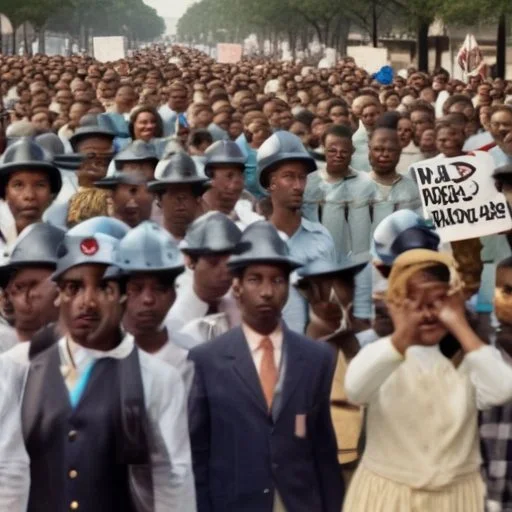
The march, which took place from March 21 to March 25, 1965, was a response to the violent repression of African American voters in Selma, Alabama, and the tragic death of Jimmie Lee Jackson, an unarmed protester killed by police. Dr. King, along with other prominent civil rights leaders, organized the march to bring attention to the injustices faced by African Americans and to demand their constitutional right to vote.
The march began on March 21, 1965, as approximately 3,200 protesters set out from Brown Chapel in Selma, Alabama. The peaceful procession, which included clergy, students, and local residents, faced hostility from state troopers and counterprotesters, who attempted to intimidate and disperse the crowd. Despite the challenges, the marchers persevered, driven by their determination to secure equal voting rights.
The Selma to Montgomery March marked a turning point in the civil rights movement, as it drew widespread attention to the injustices faced by African Americans in the South. The march helped to galvanize public opinion and ultimately led to the passage of the Voting Rights Act of 1965, a landmark legislation that prohibited racial discrimination in voting.
The Selma to Montgomery March has inspired numerous cultural and artistic works, including the award-winning film "Selma" (2014) and the song "Glory," written by John Legend and Common.
"Our lives begin to end the day we become silent about things that matter." - Martin Luther King Jr.
The Selma to Montgomery March served as a catalyst for future civil rights movements, including the anti-apartheid movement in South Africa and the contemporary Black Lives Matter movement.
Recalling the march, Dr. King wrote in his memoir, "Where Do We Go from Here: Chaos or Community?" (1967): "The march from Selma to Montgomery was one of the most exhilarating experiences of my life."

The courage and perseverance exhibited by the marchers, despite the threats and violence they faced, continue to inspire generations of social justice activists and advocates for human rights.
By successfully completing the 50-mile march, Dr. King and the thousands of protesters who joined him demonstrated the power of nonviolent resistance and the unwavering commitment to achieving racial equality.
Ralph Abernathy, a close friend and associate of Dr. Martin Luther King Jr., played a pivotal role in organizing the Selma to Montgomery March. As the president of the Southern Christian Leadership Conference (SCLC), Abernathy worked tirelessly alongside Dr. King to bring attention to the injustices faced by African Americans in the South.
Abernathy's involvement in the civil rights movement dated back to the 1950s, when he participated in the Montgomery Bus Boycott. His commitment to nonviolent resistance and his ability to mobilize grassroots support made him an invaluable asset to the movement.
During the Selma to Montgomery March, Abernathy walked alongside Dr. King, providing emotional support and strategic guidance. His presence helped to galvanize the crowd and maintain morale, even in the face of intense opposition.
The song "Glory," written by John Legend and Common, was inspired by the Selma to Montgomery March and the entire civil rights movement. The Academy Award-winning song has become an anthem for social justice, symbolizing the struggle for equality and human rights.
The lyrics of "Glory" pay tribute to Dr. King and the brave men and women who participated in the march. The song's powerful message of hope and resilience has resonated with generations of activists and advocates for social change.
In addition to its cultural significance, "Glory" has also been recognized for its artistic merit, earning several Grammy nominations and winning the Oscar for Best Original Song in 2015.
The Selma to Montgomery March was a triumph of nonviolent resistance, a philosophy that Dr. Martin Luther King Jr. championed throughout his career. King's commitment to nonviolence was rooted in his Christian faith and his belief in the power of love to transform society.
King's philosophy of nonviolent resistance was influenced by Mahatma Gandhi's struggles against British colonial rule in India. He adapted Gandhi's principles of nonviolent civil disobedience to the American civil rights movement, using tactics such as boycotts, sit-ins, and marches to challenge unjust laws and institutions.
The success of the Selma to Montgomery March demonstrated the effectiveness of nonviolent resistance, inspiring a new wave of social justice movements around the world.
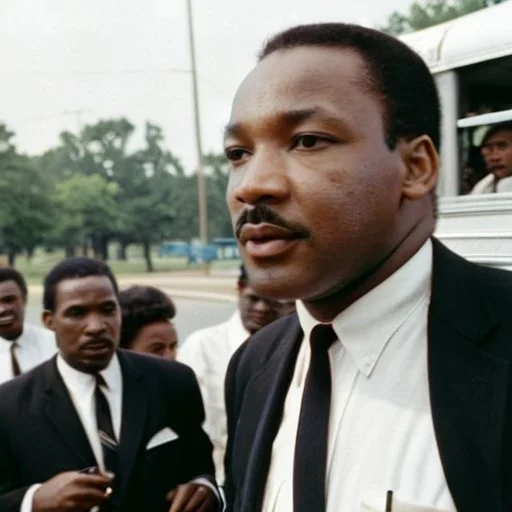
The Selma to Montgomery March took place during a tumultuous period in American history, marked by the Cold War and the rise of the civil rights movement. The march was a response to the brutal Repression of African American voters in Selma, Alabama, and the tragic death of Jimmie Lee Jackson, an unarmed protester killed by police.
The march coincided with a period of heightened tensions between the United States and the Soviet Union, as well as a growing awareness of human rights abuses around the world. The international community watched with bated breath as the marchers faced violence and intimidation from state troopers and counterprotesters.
The success of the Selma to Montgomery March helped to galvanize international support for the American civil rights movement, earning Dr. King the Nobel Peace Prize in 1964.
Historians have interpreted the Selma to Montgomery March as a turning point in the civil rights movement, marking a shift from local, grassroots activism to a broader, more national struggle for equality. The march is often seen as a testament to the power of nonviolent resistance and the ability of ordinary people to effect change.
Some historians have argued that the march was a key factor in the passage of the Voting Rights Act of 1965, which prohibited racial discrimination in voting. Others have emphasized the role of the march in galvanizing public opinion and shaming the federal government into action.
Despite these differing interpretations, all historians agree that the Selma to Montgomery March was a pivotal moment in American history, one that continues to inspire social justice movements around the world.